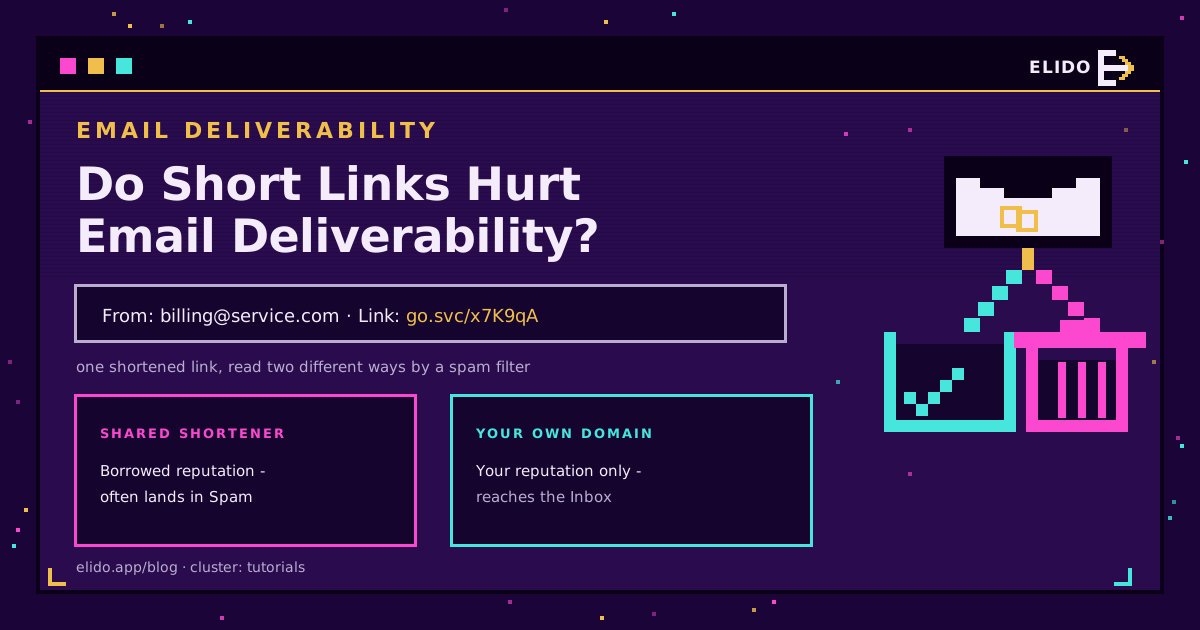
Do short links hurt email deliverability? A shared-domain short link can, and the reason is reputation, not the shortening itself. Spam filters score the domains inside your email body, and a shared shortener like bit.ly carries the pooled reputation of everyone who uses it - including the spammers. Borrow that domain and you borrow its reputation. Put the same link on your own domain and the problem goes away, because the reputation is now only yours.
So the honest answer is "it depends on whose domain the link is on." This tutorial explains why filters react the way they do and how to keep click tracking without paying for it at the inbox. It pairs with the track email link clicks guide, which covers the measurement side once deliverability is sorted.
Why a Shared Shortener Domain Is the Problem
A spam filter does not see "a short link." It sees a domain, and it asks what it knows about that domain's history. For a shared shortener, the history is everyone's.
- Pooled reputation. Millions of senders use the same shortener domain. Its spam score is an average of all of them, and you inherit it. A clean sender on a domain with a bad aggregate reputation still gets dragged down.
- Obscured destination. A shortener hides the real URL behind a redirect. Spammers use exactly this to mask malicious links, so filters treat opaque redirects as a risk to your sender reputation in their own right.
- Outright blocks. Some corporate mail gateways block known shortener domains entirely, so the link does not just look suspicious - it fails.
Gmail, Outlook, and corporate filters fold sender reputation, content, and link-domain reputation into one score. A shortener domain with a poor score pushes the whole message toward junk, and none of your own good behaviour undoes it.
What Actually Trips the Filter
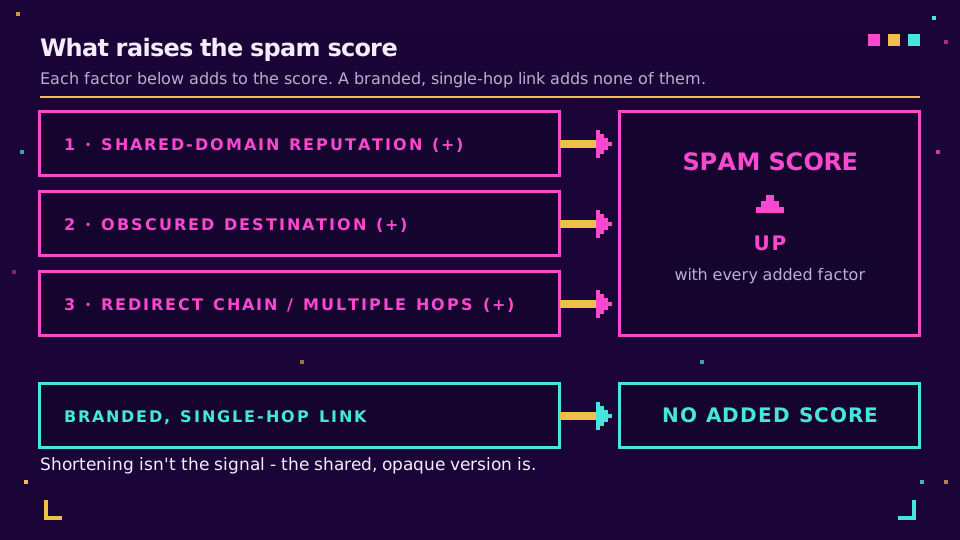
It is worth separating the myths from the mechanism, because "links cause spam" gets over-generalised. Linking is fine. What raises the score is a specific combination:
- A link domain with a poor or shared reputation.
- A redirect that hides where the link goes.
- Sometimes, a redirect chain that bounces through several hops before the destination.
Note what is not inherently on the list: shortening itself, or having tracking. A short link on a clean domain, resolving in one hop to an honest destination, is not a spam signal. The trouble is specifically the shared, opaque version.
The Fix: Your Own Domain
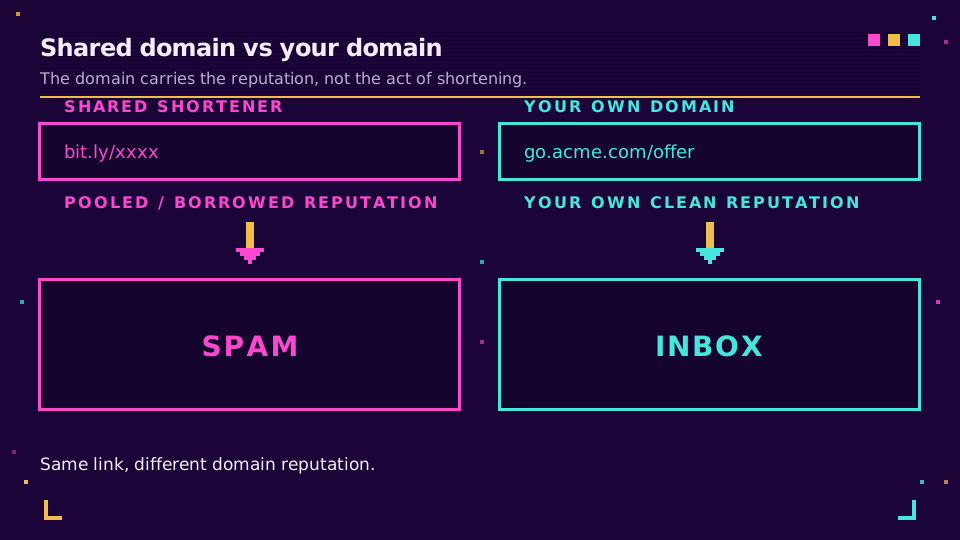
The whole problem is that the domain is not yours. So make it yours. A branded short link runs on a domain only you send from, which means its reputation reflects only your behaviour - and if your sending is clean, so is the link domain. You keep the click tracking, the campaign tags, and the ability to repoint a link after send; you just stop borrowing a stranger's reputation to do it.
There is a trust bonus on top of the deliverability one. A recipient who sees go.acme.com/offer reads it as legitimately from Acme; a bit.ly link in the same email reads as generic and, to a wary reader, as possibly unsafe. Better inbox placement and better click-through, from the same change.
A few practical rules for an email program:
- Use a branded short link on your own domain, not a shared shortener, for anything that goes to a real list.
- Keep the redirect a single hop to an honest destination.
- Warm the domain like any sending asset, and keep it consistent so its reputation builds.
- Reserve generic shared shorteners for low-stakes, non-email uses.
Set up a branded link domain once and every campaign link after it carries your reputation, not the shortener's. It is the same custom domain step that powers branded links generally, applied here specifically to keep you out of the spam folder.
The Bottom Line
Short links do not inherently hurt email deliverability - shared shortener domains do, by lending you a reputation you did not earn and cannot control. Move the link to your own domain and the risk disappears while the tracking stays. If you take one rule from this: never put a shared bit.ly-style link in a real email campaign; brand it or link directly.
Read the Cornerstone Series
This sits in the tutorials cluster. The measurement companion is track email link clicks; the branding foundation is what is a branded link.
Reputation also decides which side of the line you land on when a security layer inspects the link: rewritten and delivered, or blocked outright. Safe Links and campaign URLs covers what that rewriting does to your numbers.
Related on the Blog
Frequently asked questions
Do short links hurt email deliverability?
Shared-domain short links can. Spam filters score the reputation of the domains in your email body, and a shared shortener domain like bit.ly carries the aggregate reputation of everyone using it, including spammers. If that pooled reputation is poor, it can drag your email toward spam even when your own sending is clean. A branded short link on your own domain avoids the problem because the reputation is yours alone.
Why do URL shorteners trigger spam filters?
Two reasons. First, shared shortener domains are used by millions of senders, so their reputation is a mixed bag you inherit. Second, shorteners hide the true destination behind a redirect, and spammers exploit that to mask malicious links, so filters treat obscured redirects with suspicion. Some corporate gateways block shortened links outright.
Are branded short links safe for email?
Yes, and they are the recommended approach. A branded short link runs on a domain only you use, so its reputation reflects only your sending. It also shows recipients a recognisable domain instead of a generic shortener, which raises trust and click-through. The deliverability risk that comes from a shared domain effectively disappears.
Should I use bit.ly links in email campaigns?
For a real email program, no - not the shared bit.ly domain. It pools your reputation with every other sender on it and is a known pattern to spam filters. Either link directly, or use a branded short link on your own custom domain. Keep generic shared shorteners for low-stakes, non-email uses.
How do I keep tracking without hurting deliverability?
Use a branded short link on your own domain. You still get click tracking, campaign tags, and the ability to change the destination, but the link domain's reputation is yours, so the tracking does not come at the cost of the inbox. It is the combination of a clean sending domain and a clean link domain that keeps you out of spam.
Try Elido
Paste a URL, get a working short link
No signup. Link lives for 30 days. Sign up to keep it forever.
Free, no signup required · 2 per day