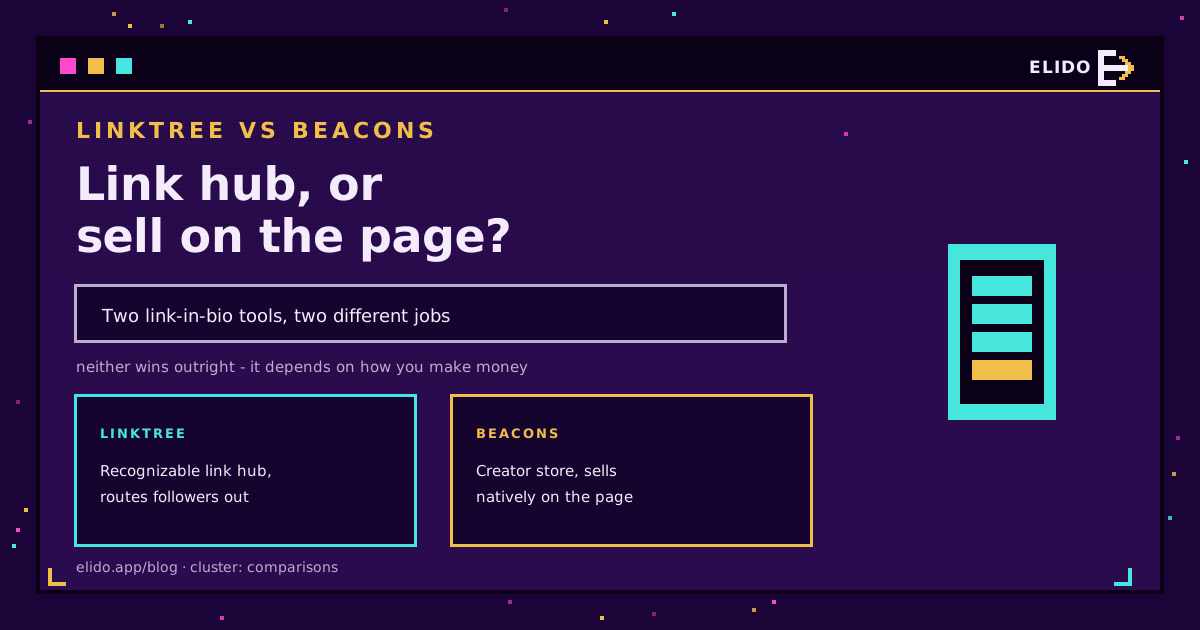
Linktree and Beacons are both link-in-bio tools, but they are built for different jobs. Linktree is a dedicated link hub: fast to set up, widely recognized, and best when your goal is pointing followers to external destinations. Beacons is a full creator toolkit that sells digital products, memberships, and bookings natively on the page. Pick Linktree for a clean, recognizable list of links; pick Beacons if you want to monetize directly on the page rather than link out.
This is a practical comparison for creators deciding between the two: what each costs, how they handle selling, how far the customization goes, and what the analytics tell you. For the wider field, Linktree alternatives covers the tools beyond these two.
The Core Difference
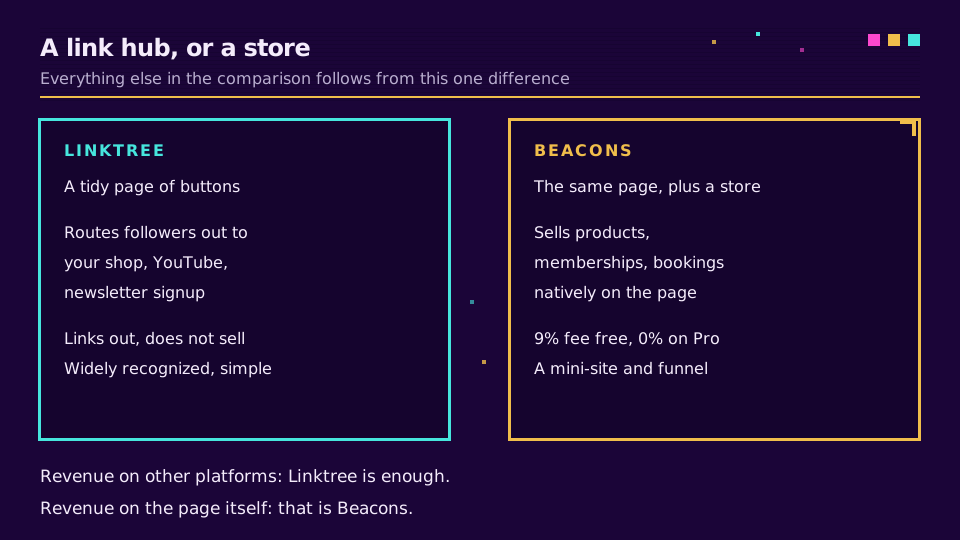
Everything else follows from one distinction. Linktree is a link list; Beacons is a storefront that happens to start as a link list.
Linktree gives your followers a tidy page of buttons that send them somewhere else: your shop, your YouTube, your newsletter signup. It does that one job well and is the name most audiences recognize when they see a bio link. Beacons keeps the link-list surface but adds a creator business behind it, so the same page can take a payment for a preset, enroll a member, or book a call without the visitor ever leaving. If your revenue happens on other platforms, Linktree is enough. If you want the revenue to happen on the page, that is Beacons.
Pricing
Both start free, and the free plans are where the real difference hides.
Beacons plans, from the Beacons pricing page (accessed 2026-10-02):
| Plan | Monthly | Billed annually | Sale fee |
|---|---|---|---|
| Free | $0 | $0 | 9% |
| Creator | $10 | $100 a year | 9% |
| Creator Plus | $30 | $25 a month ($300 a year) | 0% |
| Creator Max | $100 | $900 a year | 0% |
Linktree lists Free, Starter, Pro and Premium plans, with a discount for annual billing. When we fetched the Linktree pricing page on 2026-10-02 it showed no dollar amounts and said prices vary by region and change often, so this post states no Linktree number. Open the page for your region before you compare.
The math on the Beacons side is easy to run. At 9%, a creator selling 300 dollars a month pays 27 dollars in fees on the Free or Creator plan, which is close to the 30 dollar Creator Plus subscription. Above that volume, the 0% tiers are cheaper. Below it, the free plan costs you almost nothing.
One practical point on the fee: it applies per sale, so it scales with your success. A creator who expects to grow should model the break-even before picking a plan, and revisit it each quarter. Moving up a tier mid-year is easy; the cost is only that you pay the fee while you sit below the break-even.
Monetization
This is the clearest split, and for many creators it decides the whole choice.
Beacons lists unlimited digital products on its Free plan, with memberships, courses with video hosting and buy-now-pay-later options on higher tiers (accessed 2026-10-02). Linktree is built around linking out to wherever you already sell, and its selling features depend on plan and region, so check its pricing page for what your tier includes. Neither approach is wrong. A creator with an established store on another platform gets nothing from native selling and benefits from Linktree's simplicity. A creator who wants the bio link to be the store, with no other infrastructure, is exactly who Beacons is built for.
Customization and Features
Both pages let you brand the surface, and both leaned hard into AI over the last two years, so the marketing sounds similar. The substance differs.
Beacons carries more surface because it has to house a store, email capture and content: its plans list a media kit, email sends (50 a month on Free, 500 on Creator, unlimited on Creator Plus), Instagram auto-DM replies and daily AI credits, and a free custom domain starts at Creator. Linktree stays leaner, and I would say it optimizes for a page a follower reads in three seconds. If you want a page that does a lot, Beacons has more to configure. If you want restraint, that is Linktree's strength.
Analytics
Beacons lists real-time analytics on its Free plan; Linktree reports views and clicks per link, with richer breakdowns on paid tiers. For most creators that is enough to see which link works. What neither gives you cleanly is attribution across every channel at once, because the analytics live inside each platform. If you run paid campaigns or want to compare a bio link against an email link against a printed QR, the fix is the same for either tool: put a short link in front of the page and read the campaign data there. That approach is covered in tracking UTM end to end.
Before you commit, ask three questions. Where does your revenue happen today? How many sales a month do you expect in the next six months? And does the page need to live on your own domain? The answers usually point to one tool within a minute.
Which Should You Pick
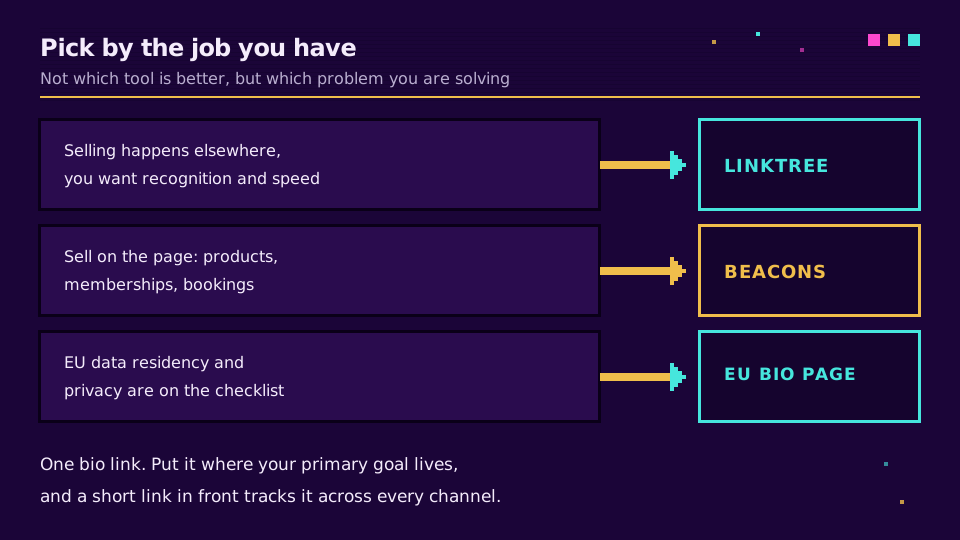
The decision is not about which tool is better but which job you have.
- Pick Linktree if you want a recognizable, fast link hub and your selling happens elsewhere.
- Pick Beacons if you want to sell digital products, memberships, or bookings directly on the page with no other store behind it.
My gut check: if you finished this section unsure, you probably want Linktree, because the moment native selling matters you already know it does. For a broader ranked view, best URL shorteners covers link tools generally, and what is link management explains the layer underneath a bio page.
The EU and Privacy Angle
One thing the head-to-head hides: both Linktree and Beacons are US companies, and a bio page quietly collects visitor data on every tap.
For a creator or brand in Europe, or one selling to European audiences, where that data is processed and under whose rules can matter as much as the feature list. If EU data residency, a signed data processing agreement, and privacy-first analytics are on your checklist, a US-hosted page may not clear it, and the GDPR framework is why that question keeps coming up. An EU-first option like Elido's bio pages puts a link-in-bio page on European infrastructure with click analytics, and you can set one up on the free plan. It is not a native creator store like Beacons, so if on-page selling is your goal, say so and pick accordingly. The full EU-focused shortlist is in Beacons alternatives.
Related on the Blog
Frequently asked questions
Is Beacons better than Linktree?
Neither is better outright; they solve different problems. Beacons is a creator toolkit that sells digital products and memberships on the page, so it wins if you monetize directly. Linktree is a link hub that is quicker to set up and more widely recognized, so it is simpler if your goal is pointing followers to external sites. Match the tool to whether you sell on the page or link out.
Which is cheaper, Linktree or Beacons?
Both have a free plan. Beacons is free with a 9 percent fee on sales, Creator is 10 dollars a month (100 billed annually) and keeps the 9 percent fee, and Creator Plus is 30 dollars a month (25 a month billed annually) at 0 percent (Beacons pricing page, accessed 2026-10-02). Linktree's pricing page showed plan names (Free, Starter, Pro, Premium) but no dollar amounts when we fetched it on 2026-10-02, so we state no Linktree number. Check linktr.ee/s/pricing for your region.
Does Beacons take a cut of sales?
Yes on the Free and Creator plans: 9 percent per sale. Creator Plus and Creator Max list 0 percent (accessed 2026-10-02). Check Linktree's current seller terms on its own pricing page, since they depend on plan and region and its page did not list a fee percentage when we looked.
Can you use both Linktree and Beacons?
You can, but you rarely should, because your bio holds one link. Two pages split your analytics and double the upkeep. Pick the one that matches your main goal and put your single bio link there. For tracking across every channel, put a short link in front of whichever page you choose.
Which is better for selling digital products?
Beacons is built around it: its plans list unlimited digital products and, on higher tiers, memberships and courses with video hosting (accessed 2026-10-02). Linktree is primarily a link hub, so if you already sell elsewhere and only need to route traffic there, it is enough.
Does Beacons offer a free custom domain?
Yes, from the Creator plan at 10 dollars a month, according to the Beacons pricing page (accessed 2026-10-02). The Free plan does not list one. Linktree's custom domain availability depends on plan, so confirm it on its pricing page.
Try Elido
Paste a URL, get a working short link
No signup. Link lives for 30 days. Sign up to keep it forever.
Free, no signup required · 2 per day