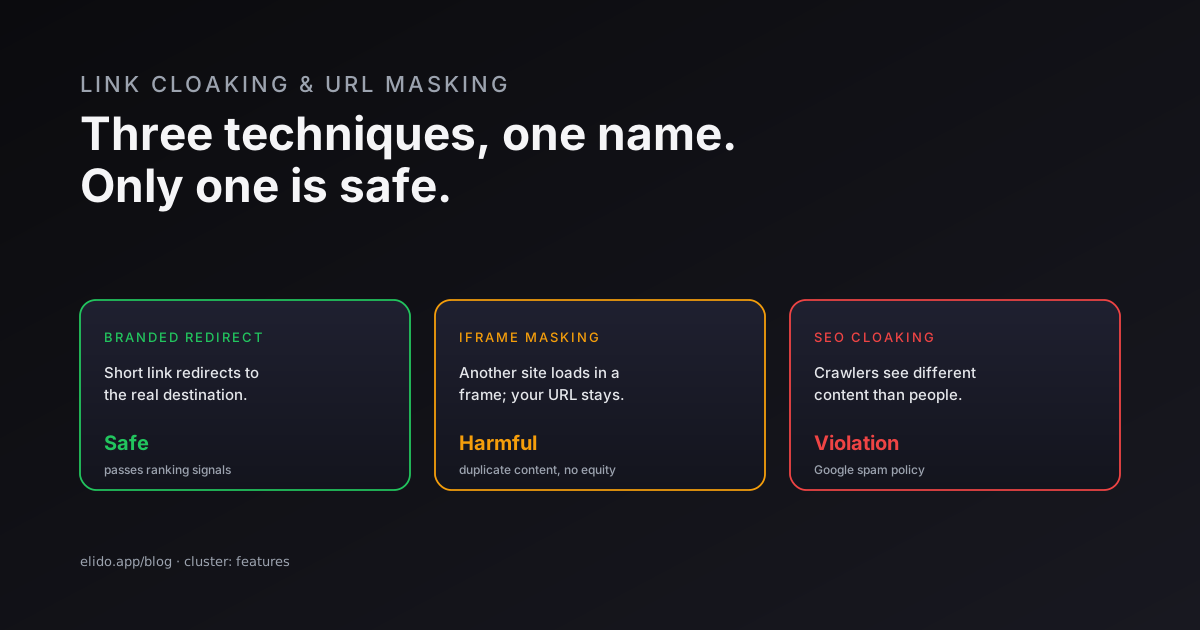
Link cloaking and URL masking both mean the same simple thing: hiding a long or ugly destination URL behind a cleaner one. The problem is that the phrase gets stretched across three very different techniques, and they do not carry the same consequences. One is safe and recommended. One quietly wrecks your SEO. One is a Google policy violation that can get a site demoted. Knowing which you mean is the whole game.
The technique most marketers actually want - replacing a long affiliate or campaign URL with a short branded link that redirects to it - is the safe one. The trouble starts when "masking" turns into loading another site inside an iframe so your domain stays glued in the address bar, or when "cloaking" means feeding search crawlers different content than people see. This post separates the three, so you can tidy up your links without tripping a penalty.
This is a features post aimed at anyone hiding messy links - affiliates especially. If you run affiliate traffic, URL shorteners for affiliates is the companion piece.
What Link Cloaking and URL Masking Mean
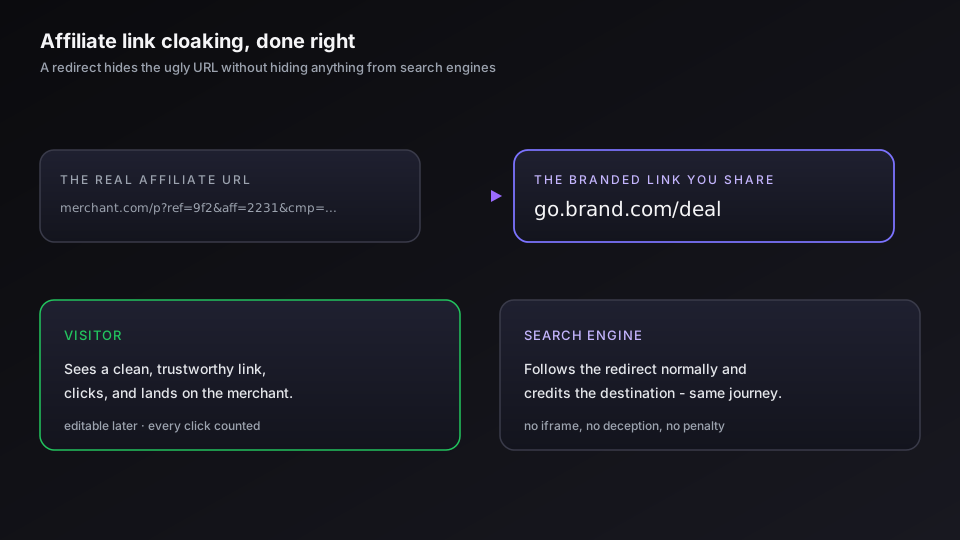
At the plainest level, both terms describe putting a nicer-looking URL in front of a messier real one. A reader sees go.brand.com/deal; behind it sits a sprawling affiliate link with a referral ID and a string of parameters. The intent is reasonable - long referral URLs look untrustworthy, are impossible to remember, and broadcast that you are earning a commission before anyone clicks.
So far, so harmless. The reason cloaking has a mixed reputation is that the same goal can be reached three ways, and two of them carry real costs. The words "cloaking" and "masking" get used interchangeably for all three, which is exactly why people end up doing the risky version while thinking they are doing the safe one.
The Three Things People Call "Cloaking"
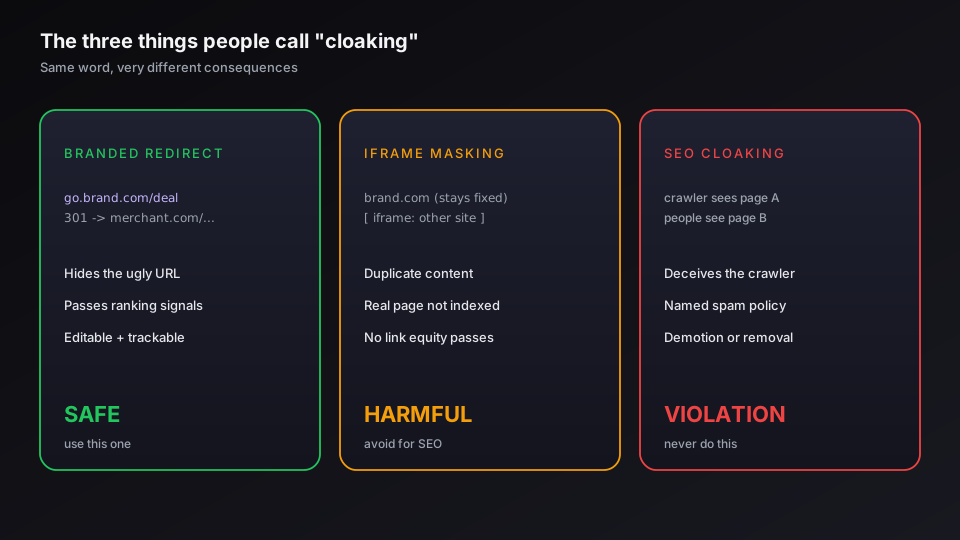
Pull them apart and the confusion clears immediately. Here are the three techniques the words get attached to.
| Technique | What it does | SEO outcome |
|---|---|---|
| Branded redirect | A short branded link redirects to the real destination | Safe - passes ranking signals, standard practice |
| Iframe / domain masking | Your domain loads another site inside an iframe, URL stays fixed | Harmful - duplicate content, no indexing, no link equity |
| SEO cloaking | Shows search crawlers different content than human visitors | Violation - explicit Google spam policy, risk of penalty |
Only the first is the one you want. The second feels clever because the address bar never changes, but it blinds search engines to the real content. The third is a different animal entirely - it is about deceiving crawlers, and Google's spam policies name it directly. The rest of this post takes each in turn, starting with the one to actually use.
The Right Way: Branded Short Links
When an affiliate says they cloak their links, this is almost always what they mean, and it is the version with no downside. You create a short link on a domain you control, point it at the long affiliate or campaign URL, and let it redirect. The ugly referral string is hidden, the visible link carries your brand, and the click passes straight through.
This is just a branded short link, the same object covered in vanity URLs explained. It hides the destination the honest way - by redirecting to it, not by trapping it in a frame. Search engines understand a redirect perfectly: they follow it, credit the destination, and pass ranking signals along, with the 301 versus 302 choice deciding how that signal flows. You also get the things a raw affiliate link can never give you: the ability to edit the destination if the offer changes, and click data on every visit.
There is one honest caveat that has nothing to do with SEO: disclosure. Hiding the affiliate string for tidiness is fine; hiding the fact that a link is an affiliate link can breach advertising rules in many countries. Cloak the URL, disclose the relationship.
If you want clean, branded, editable links for affiliate or campaign traffic, start a free Elido workspace and point your first branded link at an offer.
The Risky Way: iframe URL Masking
Now the technique to avoid. iframe masking loads the real destination inside a frame on your own page, so the address bar keeps showing your domain no matter where the visitor goes. It looks like the ultimate cloak - your URL, always - but it breaks several things at once.
Search engines see a page that is essentially an empty wrapper around someone else's content. They cannot index the real material, they often read it as duplicate content, and no link equity reaches the destination, so any backlinks you build point at a dead end. Visitors lose normal behavior too: they cannot bookmark a real page, the back button misbehaves, and sharing a link just sends people to the wrapper. For redirect-based links none of this happens, which is why the masking approach is a step backward dressed up as a feature. If your goal was a clean branded link, custom domains for short links gets you there without an iframe in sight.
What Google Actually Penalizes
The word "cloaking" carries a specific, harsher meaning in SEO, and it is worth separating from everything above. To a search engine, cloaking means showing its crawler one thing and showing human visitors another - detecting the search bot by its user agent and serving it different content to manipulate rankings. That is deception, and it is a named violation in Google's spam policies that can cost a site its rankings entirely.
A branded redirect does none of this. It shows everyone, crawler and human alike, the same journey to the same destination. The related trap to know about is the "sneaky redirect" - sending search engines to one page and users to another through a redirect - which Google treats the same way as cloaking. The safe line is simple: be consistent. Whatever a person gets when they follow your link, a crawler should get too. As long as your cloaking is just a tidy redirect that treats everyone the same, you are nowhere near a penalty. The broader SEO picture for short links is in do URL shorteners hurt SEO, and the formal definition lives in the Wikipedia entry on cloaking.
So Should You Cloak Your Links?
Yes, if "cloak" means a branded redirect, and no if it means an iframe or crawler trickery. The useful version of link cloaking is one of the most common, legitimate things you can do with a link: swap a long ugly URL for a short branded one that redirects cleanly. It builds trust, keeps your affiliate strings out of sight, stays editable, and gives you analytics.
The two risky versions share a single tell - they try to deceive something, whether that is the address bar or the search crawler. The safe version hides nothing from anyone except the visual ugliness of a long URL; it just redirects. Pick the redirect, disclose your affiliate relationships, treat crawlers and humans the same, and link cloaking goes from a grey-hat reputation to a perfectly ordinary part of running clean links.
Related on the Blog
- Vanity URLs explained: branded links people remember
- URL shorteners for affiliates: tracking without the leaks
- 301 vs 302 redirects: which one should short links use
- Do URL shorteners hurt SEO? The honest answer
- Smart links explained: edge routing without an extra service
- Link preview not showing? Causes and how to fix it
- Open redirect vulnerabilities and how to prevent them
Frequently asked questions
What is link cloaking and URL masking?
Link cloaking and URL masking both mean hiding a long or ugly destination URL behind a cleaner-looking one. The catch is that the phrase covers three different techniques: a branded redirect that swaps an ugly link for a short branded one (safe), an iframe that loads another site while your domain stays in the address bar (harmful to SEO), and showing different content to search crawlers than to people (a Google policy violation). They get lumped together, but only the first is the one you actually want.
Is link cloaking the same as a branded short link?
The good kind is. When marketers say they cloak an affiliate link, they usually mean replacing a long, ugly referral URL with a short branded link that redirects to it - and that is exactly what a branded short link does. It hides the messy destination, looks trustworthy, and passes the visitor through cleanly. That is link cloaking done right, and it carries none of the SEO risk of iframe masking.
Is URL masking bad for SEO?
Iframe-based URL masking is bad for SEO. When your domain loads another site inside an iframe, search engines see a near-empty wrapper, cannot index the real content, treat it as duplicate content, and pass no link equity to the destination. A redirect-based branded link is the opposite: it is the standard, search-safe way to point one URL at another and it transfers ranking signals correctly. If SEO matters, use a redirect, not an iframe mask.
Does Google penalize cloaking?
Yes, when it is the SEO kind. Google defines cloaking as showing different content to its crawlers than to human visitors, and it is an explicit spam-policy violation that can get a site demoted or removed. That is different from a branded redirect, which shows everyone the same destination and is completely fine. The penalty is for deception, not for using short or branded links.
What is the difference between URL cloaking and URL masking?
In everyday marketing use they are the same thing - both describe hiding a destination URL behind a different one, usually with an iframe or a redirect. The important distinction is not between those two words but between the iframe technique (which hurts SEO) and the redirect technique (which does not). In SEO specifically, 'cloaking' also has a stricter, separate meaning: serving different content to crawlers than to users, which is the version Google penalizes.
How do I cloak an affiliate link the right way?
Create a branded short link on a domain you control, point it at the affiliate URL, and use a normal redirect - not an iframe. The short link hides the long referral string, looks trustworthy, can be edited if the offer changes, and gives you click data. Disclose the affiliate relationship as your jurisdiction requires, and you have a clean, compliant, SEO-safe cloaked link with none of the downsides of domain masking.
Try Elido
Paste a URL, get a working short link
No signup. Link lives for 30 days. Sign up to keep it forever.
Free, no signup required · 2 per day