Event ticket QR code fraud almost always comes down to one weakness: a static QR code is just an image, so a screenshot of it scans exactly like the original, forever. Nothing in a static code tells the door it has already been used, so a fraudster can screenshot a valid ticket and sell the image to ten people. The fixes all do the same thing in different ways: they stop the code from being a reusable image. This is a security read, not a marketing one, and the difference between a static and a controlled code is the whole story.
For the marketing side of event links, badges, and follow-up, URL shorteners for events is the companion. This piece is narrowly about the ticket at the door and the fraud that targets it.
Why Static Ticket QR Codes Get Defrauded
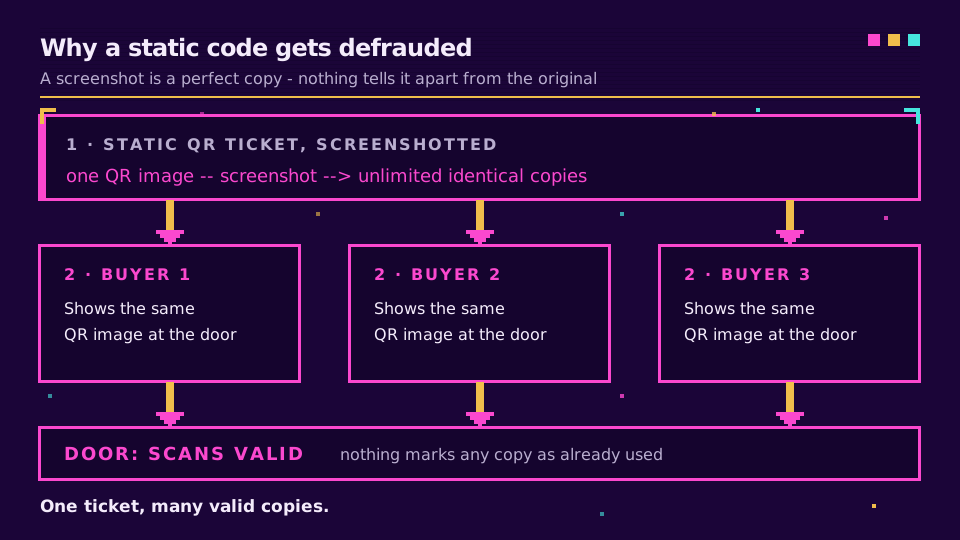
A static QR code encodes fixed data. Scan it a thousand times and it says the same thing a thousand times, because it has no idea it has been scanned before. That is exactly what makes a screenshot dangerous: the copy is byte-for-byte the original, so it passes every check the original would.
The fraud patterns follow from that one fact. A buyer screenshots their ticket and resells the image. One legitimate ticket becomes several at the door, and whoever arrives first gets in while the real buyer is turned away. None of it requires sophistication, just a screen grab, which is why static codes on high-demand events are a standing target. It is also unrelated to quishing and malicious QR codes; this is duplication of a legitimate code, not a hostile one.
Defense 1: Dynamic, Single-Scan Codes
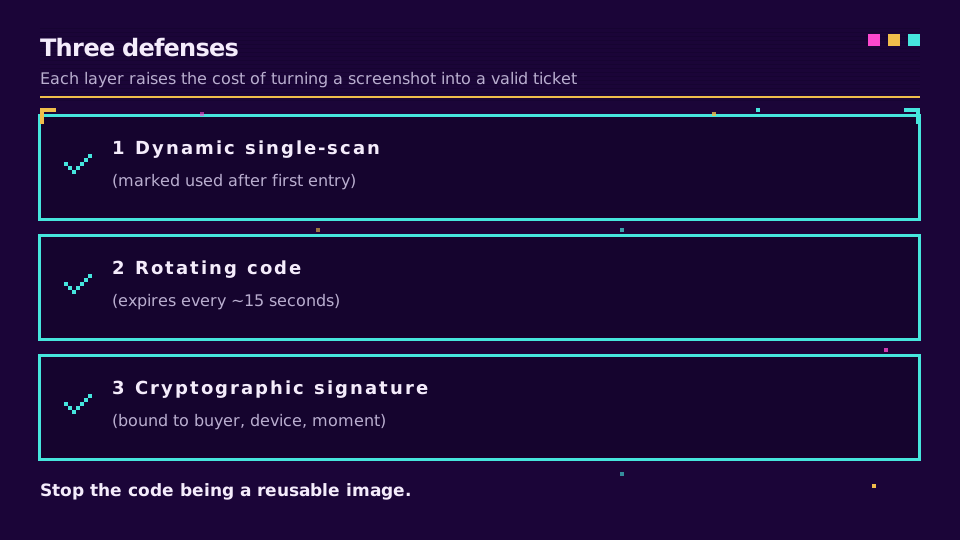
A dynamic QR code does not encode the ticket data directly. It encodes a short redirect the organiser controls, so every scan is a request the system sees in real time. That changes everything: the ticket can be marked used the instant it is first validated, and every later scan of the same code, original or screenshot, is rejected.
This is the single most important fix, because it defeats the core fraud with no extra hardware. The first valid scan wins; the copies fail. You also get scan analytics as a side effect, so you can see entry times and spot a code being tried repeatedly, which is itself a fraud signal.
Defense 2: Rotating Codes and Signatures
For high-value tickets, two more layers stack on top. A rotating code refreshes on a short timer, often around every 15 seconds, so the image a fraudster screenshots is stale before anyone can reuse it. The code on the screen at 8:00 is not the code at 8:01, which makes a screenshot worthless for resale.
The 2026 high-security setups add a cryptographic signature that binds each code to a specific buyer, device, and moment. Present a copy and the signature will not match, so the system rejects it even if the timing were right. Rotating plus signed is why transit and premium event ticketing can push duplicate-entry attempts down dramatically. Most events do not need this tier, but it is the ceiling worth knowing about.
What a Short-Link Layer Does, and Does Not
Here is the honest boundary. A short-link and dynamic-QR layer gives you the first defense cleanly: a code that resolves through a redirect you control, records every scan server-side, and can be marked used after the first valid entry, plus the analytics to watch for abuse. That alone kills the everyday screenshot-and-resell fraud.
What it is not is a full ticketing platform. Rotating codes on a 15-second timer and per-ticket cryptographic signatures are features of a dedicated ticketing system, not of a link shortener, and it would be dishonest to imply otherwise. Use the dynamic, trackable redirect as the single-scan layer, and reach for a specialist ticketing product when you need rotating-plus-signed for a high-value gate. Knowing which layer you actually need is most of the battle.
Read the Cornerstone Series
This sits in the industries cluster. The event companion is URL shorteners for events; for the underlying mechanism, dynamic vs static QR codes.
Related on the Blog
Frequently asked questions
How does QR code ticket fraud happen?
Almost always through screenshots of static codes. A static QR code is a fixed image, so a screenshot of it scans exactly like the original, forever. Fraudsters screenshot a valid ticket and sell or share the image, and every copy passes the scanner because nothing tells the door it has been used before. The weakness is not the QR format; it is that a static code is a reusable image.
How do you prevent QR code ticket fraud?
Make the code stop being a reusable image. Three defenses do this: a dynamic code you can mark used after the first valid scan, so duplicates are rejected; a rotating code that refreshes every few seconds, so a screenshot expires before it can be reused; and a cryptographic signature that binds the ticket to a buyer and moment. Real deployments combining these report large drops in duplicate-entry attempts.
Can a QR code ticket be screenshotted and reused?
A static one, yes: the screenshot is identical to the original and scans forever. A dynamic single-scan code, no: once the first valid scan marks it used, every later copy is rejected. A rotating code, no: the image expires within seconds, so a screenshot is stale by the time anyone tries to reuse it. The defense depends entirely on which type the ticket uses.
What is a rotating QR code?
A QR code that refreshes on a short timer, often around every 15 seconds, so the code on the screen at 8:00 is not the one at 8:01. Because a screenshot captures only one moment, it is useless seconds later. Rotating codes are common in transit and high-value event ticketing precisely because they defeat screenshot resale without any action from the attendee.
Are dynamic QR codes safer than static ones for tickets?
Yes, meaningfully. A static code encodes fixed data and cannot know whether it has been scanned before. A dynamic code resolves through a redirect the organiser controls, so every scan is recorded in real time and the ticket can be marked used after the first valid entry. That single-scan check is what turns a copyable image into a one-time credential.
Try Elido
Paste a URL, get a working short link
No signup. Link lives for 30 days. Sign up to keep it forever.
Free, no signup required · 2 per day