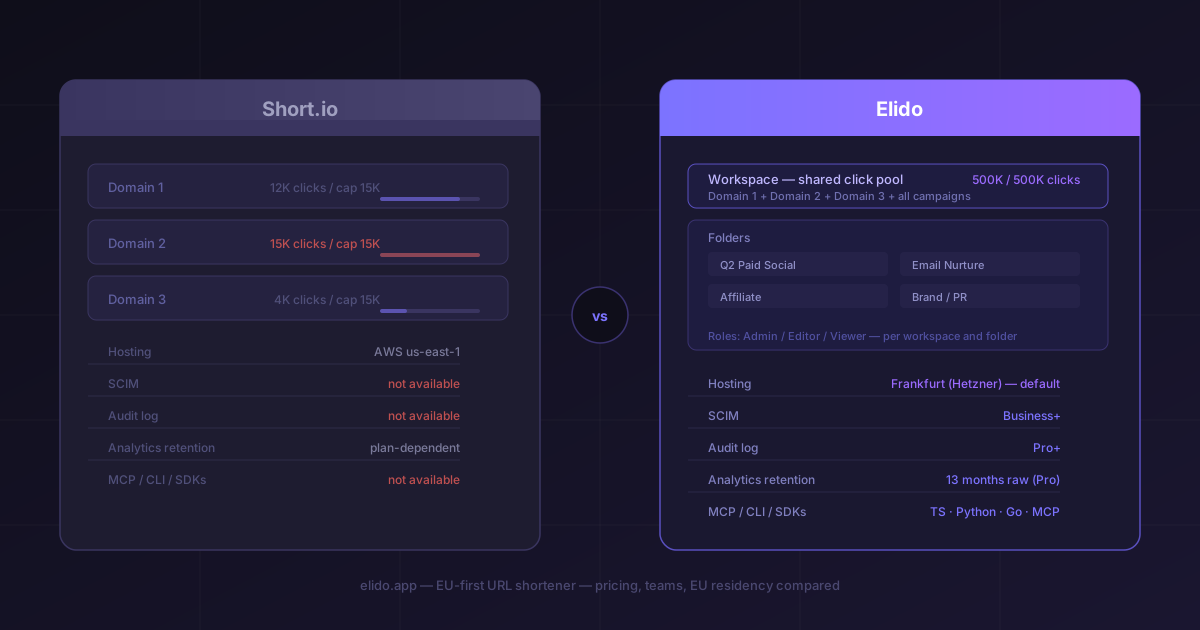
Short.io entendió algo que la mayoría de los primeros acortadores de URL pasaron por alto: los equipos no ejecutan un dominio, ejecutan varios. El producto se construyó en torno a esa realidad. Workspaces por dominio, permisos de miembros por dominio, segmentación limpia del panel entre marcas - es, genuinamente, un buen pensamiento de producto. Si eres un equipo pequeño que gestiona dos o tres dominios con analíticas de clics directas, Short.io funciona y funciona sin mucha sobrecarga de configuración.
La pregunta es qué sucede después de eso. A medida que los equipos crecen, aparecen requisitos de cumplimiento, los volúmenes de clics suben, o la ingeniería empieza a querer una API que no requiera tomar de la mano - la brecha entre lo que Short.io incluye y lo que necesitas se vuelve real. Este post es la versión aritmética de esa brecha.
Todas las cifras de Short.io a continuación están extraídas de short.io/pricing (consultado el 2026-05-10) y su política de privacidad (consultada el 2026-05-10). Los precios cambian trimestralmente; verifica antes de citar cualquiera de ellos a procurement.
TL;DR
- Short.io pone tope en enlaces creados por dominio; Elido pone tope en clics servidos. Los equipos con alto recuento de enlaces pagan desproporcionadamente en Short.io.
- Short.io está alojado en AWS us-east-1; Elido por defecto en la región de la UE. La residencia de datos en la UE requiere una conversación contractual personalizada en Short.io, no en Elido.
- Short.io tiene ACLs limpias por dominio; Elido añade registro de auditoría, aprovisionamiento SCIM y SSO en niveles más bajos que los planes comparables de Short.io.
- La API de Short.io es limpia y bien documentada; Elido añade una CLI, servidor MCP, nodo n8n y SDKs nativos (TypeScript, Python, Go).
Modelo de precios lado a lado
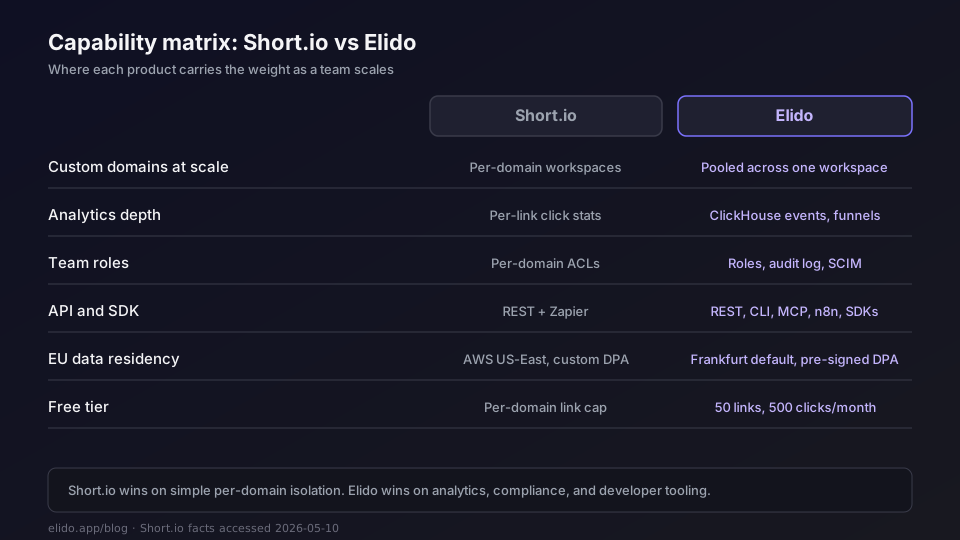
El modelo de Short.io es centrado en el dominio. En la página pública de precios (consultada el 2026-05-10), el plan Personal es gratis con un pequeño tope de enlaces por dominio; Team cuesta alrededor de $20/mes con límites de enlaces más altos y clics rastreados por dominio; Business es alrededor de $80/mes con topes más altos y características adicionales; Enterprise es personalizado. La restricción que importa son los clics rastreados por mes por dominio - una vez que excedes el techo del plan, o actualizas o pierdes el seguimiento de clics por el resto del período de facturación.
Elido factura de manera diferente. La restricción son los eventos de clic en todos los dominios de un workspace, con enlaces sin tope. Pagas una vez por workspace, no una vez por dominio. El nivel Free es 50 enlaces y 500 clics/mes, con tope duro. Pro es una tarifa mensual fija con un tope de clics que se desborda con elegancia. Business desbloquea regiones dedicadas, dominios wildcard y SSO. Enterprise es contrato personalizado.
La división importa en tres formas concretas de tráfico:
100K clics/mes. Un pequeño equipo de marketing B2B, dos dominios de marca, mezcla de enlaces de correo y social. Bajo Short.io Team ($20/mes), el techo de clics sobre una base por dominio significa que necesitas vigilar qué dominio está quemando clics rastreados más rápido. Si tu tráfico se inclina a un dominio, alcanzas el tope allí mientras el otro está inactivo. Bajo Elido Pro, el pool de clics es compartido en todos los dominios - el tope es un tope de workspace, no uno por dominio. A este volumen, los precios titulares son comparables; la diferencia operativa es el agrupamiento.
500K clics/mes. Un equipo de marketing de rendimiento que ejecuta adquisición pagada, afiliados y correo desde tres a cinco dominios. Bajo Short.io Business ($80/mes), el techo de clics por dominio requiere que extiendas los enlaces entre dominios deliberadamente (para permanecer bajo los topes por dominio) o alcances el techo y pierdas fidelidad de datos a mitad de mes. Bajo Elido Business, el pool de clics del workspace en este nivel cubre 500K sin contabilidad por dominio. Las analíticas permanecen completas independientemente de qué dominio lleve la carga.
2M clics/mes. Agencia o empresa. Bajo Short.io, esto es territorio Enterprise - los precios están fuera de la página pública y se negocian. El modelo por dominio a esta escala significa que tu contrato necesita tener en cuenta la distribución de clics entre dominios, lo que añade complejidad cuando el tráfico del cliente no es predecible. Bajo Elido Business (o Enterprise), el pool de clics cubre el workspace completo; la contabilidad específica del cliente se maneja mediante informes a nivel de carpeta, no por topes de plan por dominio.
La pregunta subyacente es si tu cuello de botella son "enlaces creados" o "clics servidos". El modelo de Short.io es correcto si acuñas un pequeño número de enlaces que obtienen un tráfico individual muy alto. El modelo de Elido es correcto si acuñas muchos enlaces en campañas - alto recuento de enlaces, tráfico moderado por enlace, volumen de clics agregado como la restricción real.
Flujos de trabajo en equipo - la característica que ambos promocionan
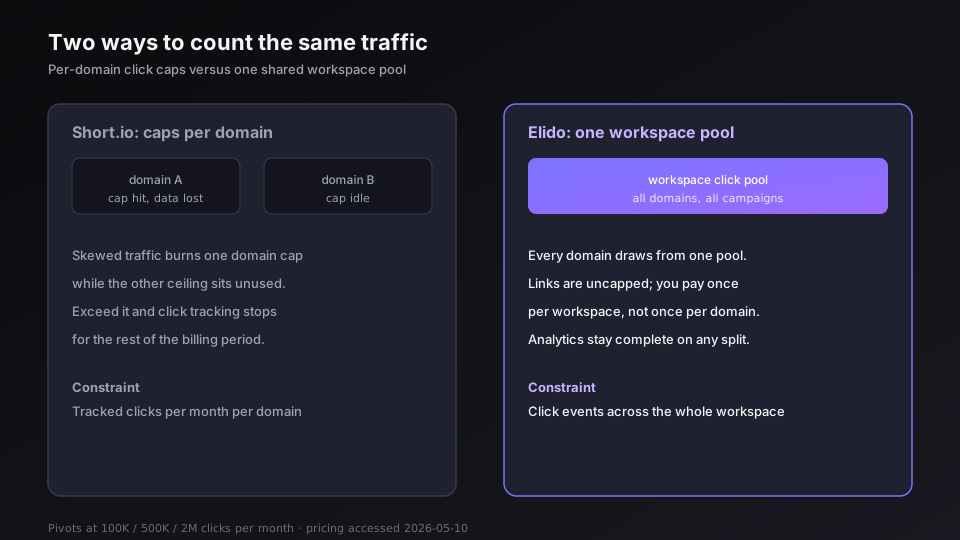
Ambos productos se promocionan a equipos, no a individuos. Los conjuntos de características se superponen más de lo que esperarías; la brecha está en la profundidad y disponibilidad de nivel.
La fortaleza principal de Short.io es el aislamiento de workspaces por dominio. Cada dominio obtiene su propia lista de miembros, su propia biblioteca de enlaces, su propia vista de analíticas. Añadir un miembro del equipo a un dominio no le da acceso a otro. Para una agencia multimarca o una empresa con separación estricta de marca, este es exactamente el modelo correcto. La UX es limpia y la superficie de permisos es lo suficientemente pequeña como para que los usuarios no técnicos puedan gestionar su propio dominio sin tocar accidentalmente el de otra persona.
El modelo de workspace de Elido es jerárquico: los workspaces contienen carpetas, las carpetas contienen enlaces y los roles se aplican en ambos niveles. Un administrador de workspace ve todo; un editor de carpeta ve solo sus campañas asignadas; un visualizador ve analíticas sin acceso de edición. Esto se mapea mejor a un único equipo de marketing que ejecuta múltiples campañas bajo una marca - una estructura donde las analíticas compartidas y los informes entre carpetas importan más que el aislamiento duro del dominio.
Donde gana Short.io: las ACLs por dominio son más granulares para un verdadero aislamiento multimarca, y la configuración es más simple. Donde gana Elido:
- Registro de auditoría - cada creación, edición, eliminación de enlace y cambio de miembro se registra con marca de tiempo, actor y estado anterior/posterior. Los planes Team y Business de Short.io no incluyen un rastro de auditoría comparable en el momento de escribir esto.
- Aprovisionamiento SCIM - desaprovisiona a un miembro en tu IdP (Okta, Azure AD, Google Workspace) y se elimina automáticamente de todos los workspaces de Elido. Short.io no anuncia SCIM en ninguna página pública de plan a fecha 2026-05-10.
- Nivel de SSO - Elido incluye SSO SAML/OIDC vía WorkOS en el plan Business. El SSO de Short.io está bloqueado tras Enterprise.
Para un equipo de marketing interno de 20 personas, las ACLs por dominio probablemente no son la restricción - todos están en la misma familia de dominios de todos modos. El registro de auditoría y SCIM son las características que importan cuando tu equipo de TI/InfoSec revisa la herramienta como parte de una revisión de acceso. Short.io pasa una evaluación casual; Elido pasa una formal.
Residencia en la UE y cumplimiento
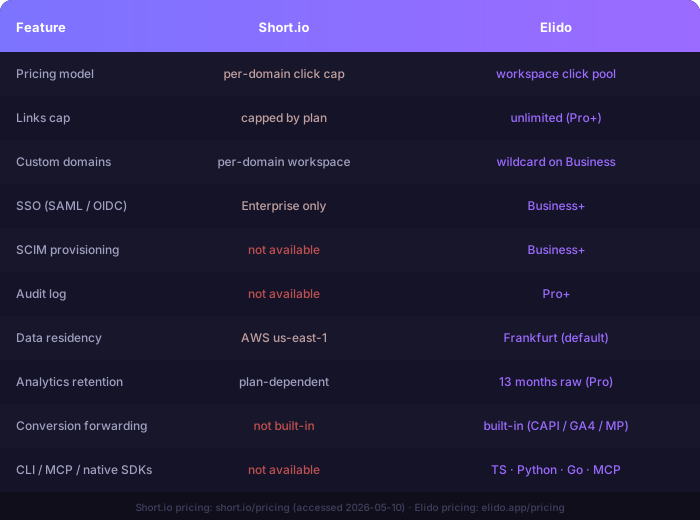
La política de privacidad de Short.io (consultada el 2026-05-10 en short.io/privacy) lista AWS como su proveedor de infraestructura principal, con sede en EE. UU. Los datos de clic, los metadatos de enlaces y los datos de miembros del equipo se procesan en US-East-1. Ofrecen un Acuerdo de Procesamiento de Datos; si ese DPA satisface una cláusula de residencia de datos es una pregunta para tu equipo legal, no para la página de marketing de Short.io.
La autoridad europea relevante sobre esto es el Comité Europeo de Protección de Datos, que ha publicado directrices sobre transferencias de datos a terceros países. La implicación práctica para cualquier SaaS alojado en EE. UU. bajo el marco SCC actual: los compradores de la UE que necesitan asegurar que los datos personales (incluidas las direcciones IP de eventos de clic y las cadenas de agente de usuario, que califican como datos personales bajo GDPR Recital 30) no salgan de la UE necesitan un acuerdo contractual personalizado o un proveedor que por defecto sea alojamiento en la UE.
La infraestructura por defecto de Elido es la región de la UE. Los clientes del plan Business pueden anclarse a EE. UU. Este o Asia-Pacífico si su tráfico está principalmente fuera de la UE. La lista de subprocesadores es corta y está listada públicamente en la página de confianza. El DPA incluye obligaciones del Artículo 28 pre-firmadas en el contrato estándar del cliente; no se requiere negociación.
Para los equipos en industrias reguladas de la UE - salud, finanzas, sector público de la UE - la pregunta de residencia no es sobre afirmaciones de marketing, es sobre qué dice realmente tu DPA y si se requiere una Evaluación de Impacto de Transferencia. Short.io en AWS US-East requiere esa TIA. Elido en la región de la UE no. La página de soluciones/marketers tiene los detalles orientados a procurement si tu equipo legal los pide.
Profundidad de analíticas
Las analíticas de Short.io son por enlace: país, tipo de dispositivo, navegador, referente y SO para cada enlace, con un selector de rango de tiempo por defecto a los últimos 30 días. El producto es honesto sobre lo que es - datos de eventos a nivel de clic visualizados limpiamente, sin la complejidad de un producto de analíticas completo.
La capa de analíticas de Elido está respaldada por un almacén de analítica columnar que almacena eventos de clic en bruto sin muestreo. Las diferencias prácticas:
- Retención - la retención públicamente documentada de Short.io varía según el plan; en los niveles Free y Team, la profundidad histórica de datos es limitada. Elido retiene 13 meses de datos de clic en bruto en Pro, rodando.
- Informes de embudo - la analytics-api de Elido expone informes de embudo y conversión combinando eventos de clic con datos de reenvío de conversiones. Short.io no incluye informes de embudo.
- Exportaciones programadas - Elido admite exportaciones CSV programadas con una cadencia diaria o semanal, entregadas a S3 o correo. La exportación de Short.io es manual y bajo demanda.
- Reenvío de conversiones - empuja conversiones atribuidas del lado del servidor a Meta CAPI, GA4 Measurement Protocol y Mixpanel. Short.io no incluye esto como una función incorporada.
Para un equipo que hace informes básicos de clic, las analíticas de Short.io son suficientes y la UI es genuinamente más limpia. Para un equipo de marketing de rendimiento donde la fidelidad de atribución importa - donde Safari ITP está destruyendo las conversiones basadas en píxeles y necesitas reenvío del lado del servidor para recuperarlas - la capa respaldada por un almacén de analítica columnar es la diferencia operativa.
APIs e integraciones
La API REST de Short.io está bien documentada (ver developers.short.io) y admite las operaciones principales: crear, leer, actualizar, eliminar enlaces, recuperar estadísticas de clic, gestionar dominios y miembros del equipo. La integración con Zapier cubre la mayoría de los escenarios de automatización a los que un usuario no técnico recurriría. Es una API limpia y funcional con documentación clara; sin quejas.
Elido incluye la API más las herramientas circundantes:
- CLI -
elido links create,elido stats export, cambio de workspace, scriptable para pipelines de CI. - Servidor MCP (código abierto, MIT) - conecta Elido con Claude, Cursor o cualquier cliente compatible con MCP. Solo lectura por defecto; el alcance de escritura es opt-in por workspace.
- Nodo personalizado n8n - integración nativa con n8n para equipos que ejecutan su stack de automatización en n8n en lugar de Zapier.
- SDKs nativos - TypeScript, Python y Go, cada uno mantenido contra la especificación OpenAPI 3.1.
Si la automatización de tu equipo vive enteramente en Zapier, la integración de Short.io es la elección más simple. Si estás ejecutando una infraestructura de enlaces gestionada por desarrolladores - pipelines de CI creando enlaces de campaña, herramientas LLM consultando estadísticas de clic, un servicio Go importando masivamente redirecciones de socios - la superficie de herramientas de Elido cubre más sin forzar una integración personalizada.
Migración desde Short.io
Short.io admite la exportación de enlaces a través de su API o una descarga CSV desde el panel. El CSV incluye el slug original, la URL de destino, el dominio, las etiquetas y la fecha de creación. El historial de clics no se incluye en la exportación.
Importa el CSV de Short.io a Elido utilizando el endpoint de importación masiva, especificando los slugs originales tal cual para preservar todas las URLs cortas existentes:
curl -X POST https://api.elido.app/v1/workspaces/{workspace_id}/links/bulk \
  -H "Authorization: Bearer $ELIDO_API_KEY" \
  -H "Content-Type: application/json" \
  -d '{
    "links": [
      {
        "slug": "abc123",
        "destination": "https://your-destination.com/page",
        "domain": "go.yourdomain.com",
        "tags": ["migrated", "short-io"]
      }
    ]
  }'
El endpoint de importación masiva acepta hasta 1.000 enlaces por solicitud y preserva los slugs tal cual. Para workspaces con miles de enlaces, pagina el CSV y ejecuta la importación por lotes. El endpoint es idempotente en slug + dominio - reejecutar la misma importación no creará duplicados.
El reapuntamiento de DNS es el paso que crea la ventana de transición. Reduce el TTL del CNAME de tu dominio de marca a 60 segundos al menos 24 horas antes del cambio, luego reapunta el CNAME al borde de Elido. El TLS bajo demanda de Elido aprovisiona el certificado en menos de 60 segundos una vez que el DNS se propaga. Los antiguos slugs de Short.io continúan resolviéndose en la infraestructura de Elido mientras el CNAME apunte allí. Más sobre la mecánica del DNS en la página de características de dominios personalizados.
Relacionado: el post hermano Elido vs Bitly cubre la ruta de migración desde Bitly específicamente, y Elido vs Rebrandly cubre el ángulo del flujo de trabajo en equipo desde un punto de partida diferente. El cornerstone de brecha de características de alternativas a Bitly tiene la tabla de características más amplia si estás evaluando múltiples acortadores a la vez.
Cuándo Short.io es la elección correcta
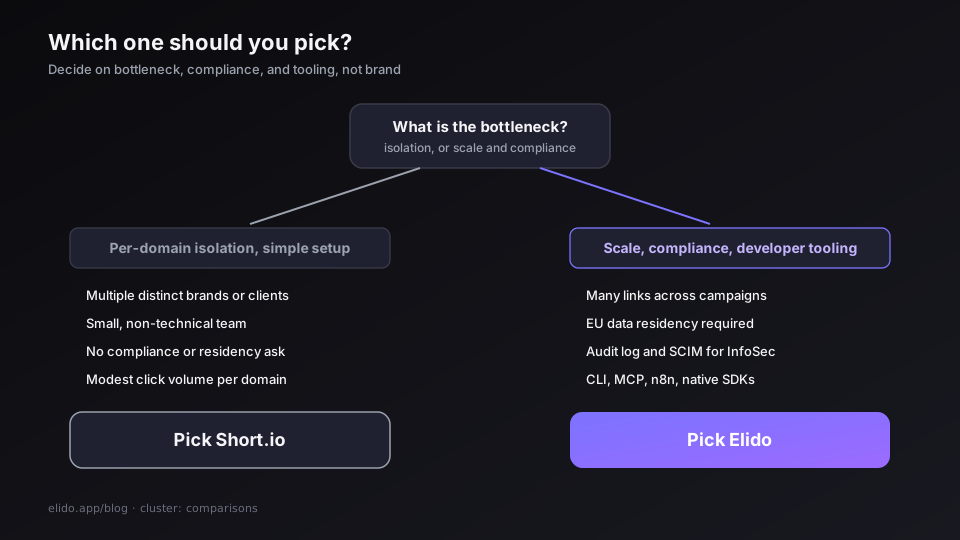
Short.io es la elección correcta cuando:
- Ejecutas múltiples marcas o clientes distintos y quieres un aislamiento de dominio duro sin construir una jerarquía de permisos. El modelo de workspace por dominio es elegante para esta forma.
- Tu equipo es pequeño y no técnico. La UX de Short.io es pulida y accesible. Hay menos superficie de configuración para equivocarse.
- No tienes una solicitud de cumplimiento. Sin requisito de residencia de datos en la UE, sin aprovisionamiento SCIM, sin requisito de registro de auditoría de InfoSec. Short.io supera la barra para una revisión de compra de SaaS directa.
- Tus volúmenes de clics son modestos y permanecen dentro de los topes de clics por dominio en Team o Business. A esa escala, los precios de Short.io son competitivos y el agrupamiento por dominio no crea fricción contable.
No cambies por cambiar. Si Short.io está funcionando para tu equipo y ninguna de las restricciones anteriores se aplica, el esfuerzo de migración no está justificado por la ganancia marginal de características.
Dónde se inclina realmente la decisión
Dos variables determinan qué producto es el ajuste correcto.
La primera es el modelo de precios. Los topes de clics por dominio de Short.io crean sobrecarga operativa - necesitas vigilar qué dominio quema clics rastreados y a qué velocidad - y ponen un techo a la completitud de las analíticas cuando el tráfico se dispara impredeciblemente. El pool de clics a nivel de workspace de Elido elimina el problema contable por dominio. Si acuñas muchos enlaces en campañas, el pool del workspace es el modelo más limpio. Si acuñas algunos enlaces por dominio y el tráfico es predecible, los topes de Short.io probablemente nunca muerdan.
La segunda es la residencia en la UE. Short.io es AWS US-East. Si el equipo de procurement de tu comprador va a requerir una Evaluación de Impacto de Transferencia o una cláusula de residencia de datos, esa conversación añade semanas y no se resuelve limpiamente. Elido por defecto es la región de la UE. El DPA está pre-firmado. La lista de subprocesadores es pública y corta.
Para equipos que no chocan con ninguna de esas restricciones - volumen de enlaces modesto, sin solicitud de residencia en la UE - Short.io es un producto razonable que no necesita reemplazo. Para equipos que sí, la comparación se resuelve rápidamente.
Consulta /compare/vs-short-io para la tabla comparativa lado a lado, y /pricing para los precios actuales por nivel de Elido antes de hacer tus propios números.
Relacionado en el blog
- SCIM y SSO para herramientas de marketing: lo que realmente pregunta TI empresarial
- Residencia de datos en la UE para herramientas de marketing: lo que realmente pregunta tu DPO
- Acortadores de URL para marketers: la matriz comparativa 2026
- Configurar enlaces cortos de marca: elige un dominio, envía en una tarde
Prueba Elido
Pega una URL, obtén un enlace corto
Sin registro. El enlace vive 30 días. Crea una cuenta para conservarlo.
Gratis, sin registro · 2 por día