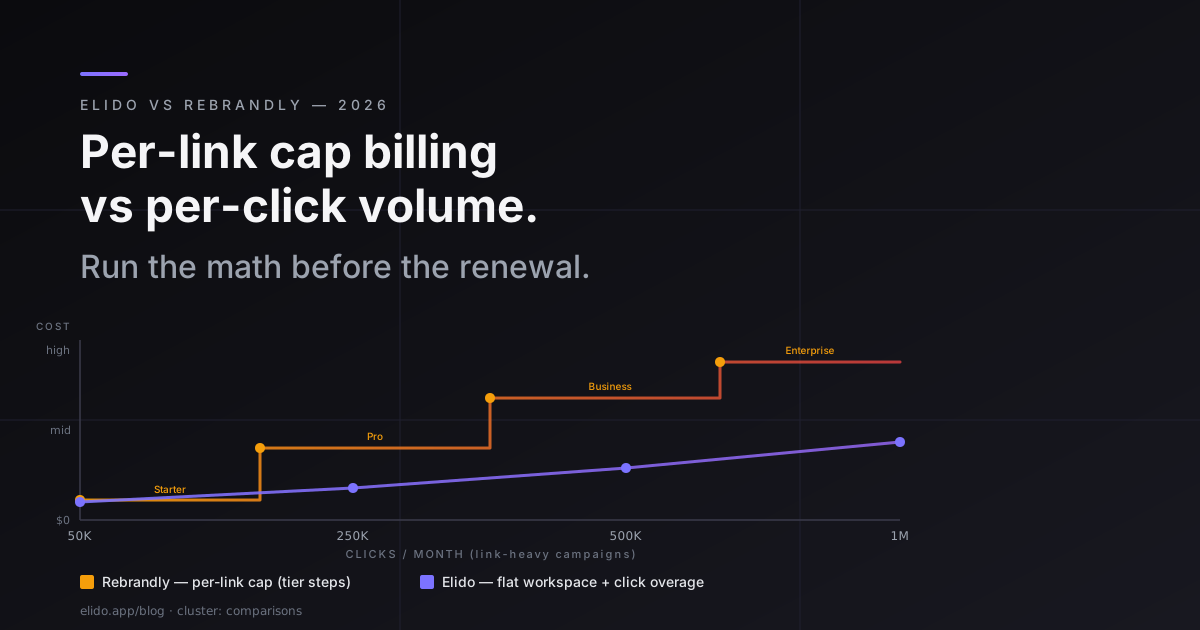
Rebrandly побудував свою репутацію на двох речах: бездоганному досвіді використання власних брендованих доменів та маркетплейсі інтеграцій, що охоплює Zapier, Make, Workato та близько 40 нативних конекторів «з коробки». Якщо ваша команда живе в інструментах автоматизації без коду, а ваша головна мета - «скорочувати посилання на моєму домені, не торкаючись API», Rebrandly - це цілісний, добре реалізований продукт.
Чим він не є у 2026 році, так це безпечним з точки зору резидентності в ЄС «з коробки». А модель ціноутворення - де рахунки виставляються за ліміт брендованих посилань, а не за кліки - дивує команди, що проводять масштабні кампанії, цілком конкретним та зрозумілим способом, якого можна уникнути.
Ця стаття - арифметична версія цього порівняння. Усі цифри Rebrandly взяті з публічної сторінки цін, доступ до якої було отримано 2026-05-10. Якщо ви читаєте це після зміни циклу ціноутворення, перевірте актуальну сторінку, перш ніж посилатися на ці цифри під час закупівлі.
TL;DR
- Rebrandly виставляє рахунки за ліміт брендованих посилань (Free: 5K / Starter: 25K / Pro: 50K / Business: 150K). Elido виставляє рахунки за робочу область плюс обсяг кліків - ліміт посилань фактично необмежений на платних планах.
- Обидві платформи підтримують власні домени з TLS за запитом. Майстер налаштування Rebrandly більш відшліфований; автоматична перевірка DNS від Elido усуває крок ручної валідації.
- Rebrandly має штаб-квартиру в США з основною резидентністю даних у США (згідно з їхнім DPA, станом на 2026-05-10). Elido за замовчуванням знаходиться у регіоні ЄС, з прив'язкою до ЄС на рівні робочої області та попередньо підписаними зобов'язаннями за Статтею 28 у стандартному контракті.
- Rebrandly надсилає вебхуки для подій конверсії; серверна переадресація на Meta CAPI або GA4 лежить на вас. Elido пропонує це як вбудовану функцію.
Модель ціноутворення відрізняється в одному напрямку
Структура рівнів Rebrandly побудована навколо створених брендованих посилань - загальної кількості активних скорочених URL-адрес у вашій робочій області. Free надає 5 000 брендованих посилань. Starter - 25 000. Pro досягає 50 000. Business обмежується 150 000 перед переходом до переговорів про корпоративний рівень. Сторінка цін (доступ від 2026-05-10) чітко показує ліміти для кожного рівня; перевищення ліміту вирішується шляхом переходу на вищий рівень, а не шляхом тарифікації за кожне посилання.
Модель Elido відрізняється за структурою. Платні робочі області не мають жорсткого ліміту на кількість активних посилань - сигналом для виставлення рахунків є обсяг кліків перенаправлення плюс кількість робочих областей. План Pro включає місячний ліміт кліків; трафік понад цей поріг нараховується за лімітованою вартістю за клік. Business додає вайлдкарди, регіональну прив'язку та SSO.
Наслідок має певний напрямок. Модель Rebrandly винагороджує команди, які створюють стабільну бібліотеку брендованих посилань і спрямовують великий обсяг кліків через невеликий набір посилань. Модель Elido винагороджує команди, які створюють багато короткочасних посилань або посилань для конкретних кампаній - де кількість посилань зростає швидко, але обсяг кліків на одне посилання залишається помірним.
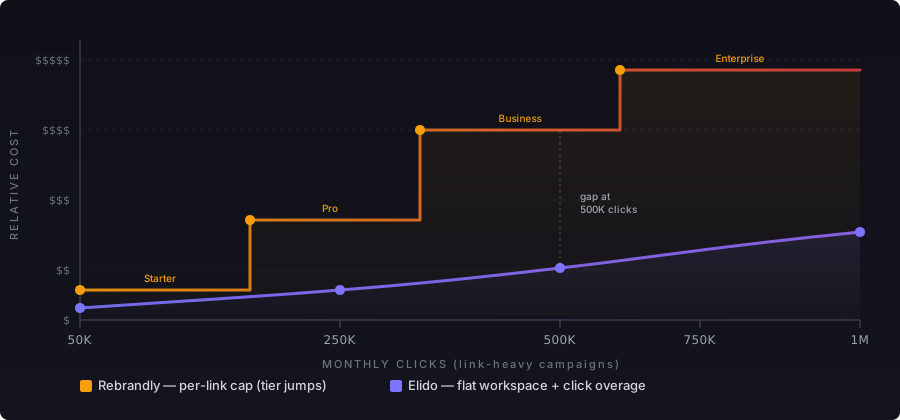
При 50 000 кліків/місяць. Команда B2B SaaS, що займається аутрічем, життєвим циклом електронної пошти та соцмережами: приблизно 500-2 000 активних брендованих посилань у будь-який час. Початкові плани обох вендорів комфортно справляються з цим; жодна модель ціноутворення не «кусається». На такому масштабі рішення про вибір вендора не повинно залежати від вартості - обирайте за функціями та інтеграціями.
При 250 000 кліків/місяць. Команда перформанс-маркетингу, що запускає платну рекламу з щотижневим оновленням кампаній. Кожна хвиля кампанії створює 300-500 нових посилань. За квартал накопичені активні посилання наближаються до діапазону 20 000-30 000. Рівень Starter у Rebrandly (ліміт 25 000 посилань) стає тісним; тиждень з великою кількістю кампаній призводить до перевищення ліміту та переходу на ціноутворення Pro. Перевищення ліміту кліків у Elido на 250K/місяць за планом Pro - це передбачувана вартість за фактичним використанням, без тиску лімітів з боку створення посилань.
При 500 000 кліків/місяць. Агентство або маркетинговий відділ підприємства з декількома робочими областями брендів, що підтримують вічнозелені бібліотеки коротких посилань для десятків активних клієнтів. Кількість посилань накопичується швидше, ніж кількість кліків, тому що більшість клієнтських посилань мають помірний, але стабільний трафік. У Rebrandly рівень тарифу визначається загальною кількістю активних посилань у кожній робочій області - агентство, що керує 15 клієнтськими робочими областями, кожна з яких має 10 000 активних посилань, змушене платити за рівень Business для кожної робочої області. У плані Business від Elido вайлдкард-домени охоплюють усі клієнтські піддомени під одним CNAME *.agency-links.example, а сигналом для виставлення рахунків є загальний обсяг кліків по всій організації, а не кількість посилань у кожній робочій області.
Модель, яка коштує менше, залежить від вашого співвідношення створених посилань до кліків. Команди, які створюють посилання швидше, ніж генерують через них трафік, повинні порівняти вартість рівня Rebrandly Pro з вартістю перевищення кліків Elido Pro для своїх реальних цифр. Точка перетину відрізняється залежно від профілю команди.
Брендовані домени: перевірка паритету функцій
Обидві платформи підтримують власні брендовані домени з автоматичним TLS - ви спрямовуєте CNAME на провайдера, і HTTPS працює. На рівні одного домену це справжній паритет. Операційні відмінності з'являються, коли ви дивитеся на шлях налаштування та на сценарії використання з декількома доменами або багатьма орендарями.
Майстер налаштування доменів Rebrandly - це більш відшліфований досвід. Процес онбордингу проводить вас через налаштування CNAME з інструкціями для конкретних провайдерів (Cloudflare, GoDaddy, Route 53 отримують індивідуальні посібники), перевіряє поширення DNS у браузері та чітко відображає помилки. Якщо ви налаштовуєте один брендований домен для одного бренду, інтерфейс Rebrandly дозволяє швидше отримати перше успішне перенаправлення.
Перевага Elido полягає в рівні автоматизації. Перевірка DNS запускається автоматично з настроюваним інтервалом - як тільки ви вкажете CNAME, платформа опитує стан поширення та надає TLS без ручного запуску «перевірити зараз». Це важливо для агентств, які створюють новий домен клієнта об 11 вечора, або для команд платформи, що використовують Domains API для програмного надання доменів. Базовим механізмом TLS є автоматичний TLS на вимогу: сертифікат для нового домену надається при першому запиті менш ніж за 60 секунд без жодних ручних кроків із запиту сертифіката. Сторінка функції власних доменів детально описує механіку DNS та TLS.
Вайлдкард-піддомени - це те, де з'являється розрив. Rebrandly підтримує конфігурацію окремо для кожного домену; кожен домен є окремою сутністю у вашому акаунті. План Business від Elido підтримує вайлдкард-домени - один CNAME *.acme.example та одна ротація TLS-сертифіката охоплюють кожен піддомен, який ви створюєте, без додаткового налаштування для кожного піддомену. Для команди, що керує піддоменами для окремих клієнтів (наприклад, client1.links.agency.example, client2.links.agency.example), це один запис DNS проти одного запису для кожного клієнта.
Чесний підсумок: якщо ви налаштовуєте один брендований домен і дбаєте про досвід налаштування, майстер Rebrandly кращий. Якщо ви керуєте декількома доменами або піддоменами програмно, автоматизація Elido усуває необхідність у додатковому коді.
Резидентність в ЄС та GDPR
Rebrandly має штаб-квартиру в Дубліні, але її основна площина даних працює в США. Згідно з їхнім DPA на rebrandly.com/data-processing (доступ від 2026-05-10), передача даних з ЄЕЗ до США покладається на Стандартні договірні умови в межах структури GDPR. Стандартні договірні умови є юридично доступним механізмом - питання для вашої команди закупівель полягає в тому, чи вимагають вони Оцінку впливу на передачу (Transfer Impact Assessment, TIA) як частину процесу перевірки вендора.
Вимога TIA є реальною в регульованих галузях. Стаття 3 GDPR (територіальна сфера застосування) чітко вказує, що обробка даних суб'єктів ЄС підпадає під дію GDPR незалежно від того, де знаходиться обробник, а рішення Schrems II (CJEU C-311/18) встановило, що передача даних до США на основі Стандартних договірних умов все ще потребує індивідуальної оцінки правового режиму в країні призначення. Для більшості команд малого та середнього бізнесу це паперовий нюанс. Для покупців у державному секторі ЄС, фінтеху та охороні здоров'я вимога TIA щодо суб-обробника, що базується в США, є стандартною вимогою закупівлі, яка додає тижні до циклу перевірки.
Elido за замовчуванням хоститься у регіоні ЄС. Події кліків проходять через інфраструктуру ЄС; площина даних не залишає ЄЕЗ, якщо ваша робоча область явно не прив'язана до US East або Азійсько-Тихоокеанського регіону (функція Business+, що підключається окремо). Список суб-обробників короткий і опублікований на сторінці довіри. DPA постачається з попередньо підписаними зобов'язаннями за Статтею 28 у стандартному контракті з клієнтом; для більшості покупців з ЄС не потрібні додаткові переговори.
Практичний вплив: якщо контрольний список закупівель вашого покупця включає вимогу щодо резидентності даних, Rebrandly потребує обговорення TIA та індивідуальних умов контракту. Elido готова до закупівель «з полиці» для вимог щодо хостингу в ЄС. Якщо ваш покупець базується в США і не має вимог щодо резидентності, цей розділ не має значення.
Для повного огляду резидентності в ЄС при закупівлі скорочувачів URL-адрес, сторінка solutions/compliance є довідником для команд закупівель. Пост про функціональні прогалини альтернатив Bitly охоплює ту саму регуляторну базу з більшою глибиною в розділі GDPR.
Розумні посилання, A/B маршрутизація та відстеження конверсій
Rebrandly пропонує умовну маршрутизацію через функцію Traffic Routing: тип пристрою, операційна система, країна та мова. Підтримка шаблонів UTM дозволяє попередньо визначати набори параметрів і застосовувати їх під час створення посилання - корисно для команд із суворими стандартами таксономії UTM. Документація API Rebrandly описує структуру правил маршрутизації; функція доступна на планах Starter і вище.
Чого Rebrandly не пропонує, так це серверну переадресацію конверсій. Коли клік призводить до конверсії нижче по воронці - заповнення форми, покупка, реєстрація на тріал - Rebrandly може надіслати вебхук з метаданими кліку. Що відбувається з цим вебхуком - ваша проблема: підключіть його до власного сервера, захешуйте ідентифікатори користувачів і самостійно надішліть POST-запит до Meta CAPI або GA4 Measurement Protocol. Більшість команд, які оцінюють Rebrandly, ніколи цього не реалізують. Вебхук потрапляє в чергу, ніхто його не обробляє, і браузерна атрибуція Meta продовжує втрачати сигнал кожного разу, коли ITP від Safari видаляє куки при перехресному перенаправленні.
Підхід Elido до цього описаний у пості про серверне відстеження конверсій. Коротка версія: облікові дані для Meta CAPI, GA4 та Mixpanel реєструються один раз на рівні робочої області. Коли Elido приписує клік події конверсії, яку ви надсилаєте через API, платформа бере на себе хешування ідентифікаторів за алгоритмом SHA-256, логіку повторів/дедуплікації та пересилає дані на серверну сторону. Проміжний сервер не потрібен, інфраструктуру для обробки вебхуків підтримувати не треба.
Виміри маршрутизації також ширші на стороні Elido - шість вимірів, включаючи час доби та реферер, проти чотирьох у Rebrandly. Для команди, що проводить акції, обмежені в часі (флеш-розпродаж, який спрямовує на іншу цільову сторінку після 18:00), це реальна функціональна прогалина, а не просто галочка.
Зокрема для сценарію solutions/marketers, комбінація розумної маршрутизації + серверної переадресації конверсій - це те, що закриває прогалину в атрибуції, яку відкрили обмеження на куки з 2021 року. Rebrandly доводить вас до середини шляху за допомогою вебхуків; інша половина потребує вашої власної інфраструктури.
Шлях міграції з Rebrandly
Формат експорту Rebrandly - CSV, доступний у налаштуваннях робочої області. Кожен рядок містить коротку URL-адресу, довгу URL-адресу, домен, слаг та набір тегів. Структура виглядає так:
shortUrl,destination,domain,slashtag,tags,createdAt
https://brand.ly/summer-promo,https://acme.example/summer,brand.ly,summer-promo,"campaign,q3",2025-07-01T09:00:00Z
https://brand.ly/hero-cta,https://acme.example/hero,brand.ly,hero-cta,"homepage",2025-03-15T14:30:00Z
Кінцева точка масового імпорту Elido за адресою /v1/links/bulk приймає слаги та теги з цього експорту та зберігає їх дослівно. Мінімальне тіло POST-запиту для двох рядків вище:
{
  "links": [
    {
      "destination": "https://acme.example/summer",
      "slug": "summer-promo",
      "domain": "brand.ly",
      "tags": ["campaign", "q3"]
    },
    {
      "destination": "https://acme.example/hero",
      "slug": "hero-cta",
      "domain": "brand.ly",
      "tags": ["homepage"]
    }
  ]
}
Поле domain вимагає, щоб домен був попередньо зареєстрований у вашій робочій області Elido. Якщо ви переносите сам брендований домен, спочатку налаштуйте CNAME, що вказує на Elido, дайте можливість надати TLS, а потім запустіть масовий імпорт. Старі слаги Rebrandly на цьому домені будуть резолвитися через Elido з моменту поширення DNS. Історичні дані про кліки з Rebrandly не імпортуються - аналітика з дня міграції буде новою в наше аналітичне сховище. Нотатки про міграцію з Elido проти Bitly детальніше описують час передачі DNS та 24-48-годинне вікно перекриття; тут діють ті ж самі механізми.
Коли Rebrandly все ще залишається правильним вибором
Три випадки, коли Rebrandly є кращим вибором і зусилля з міграції не виправдані.
Широта маркетплейсу інтеграцій. Нативні інтеграції Rebrandly із Zapier, Make та Workato відшліфовані та добре задокументовані. Якщо робочий процес створення посилань вашої команди проходить через ланцюжок автоматизації без коду - створення контакту в HubSpot → створення посилання в Rebrandly → сповіщення в Slack - інтеграції Rebrandly справляються з цим з меншим тертям, ніж кастомний виклик API Elido в тому самому Zap. API Elido потужніше, але «потужніше» корисне лише тоді, коли є кому його налаштувати. Elido розширює свій каталог інтеграцій, але маркетплейсе Rebrandly сьогодні більший.
Онбординг для креаторів та невеликих команд. Онбординг Rebrandly оптимізовано для одного користувача з одним брендованим доменом, що дозволяє почати роботу за 15 хвилин. Налаштування домену на основі майстра, вбудований конструктор UTM та функція сторінки посилань у біо (Rebrandly називає її LinkGallery) орієнтовані на креаторів та соло-підприємців, яким потрібен відшліфований робочий процес для однієї особи. Якщо це описує ваш контекст, набір функцій Elido - це більше, ніж вам потрібно.
Існуючі глибокі інвестиції в інтеграцію. Якщо ваша команда вже побудувала робочі процеси на API Rebrandly і інтеграція глибоко вкорінена у ваш стек, вартість міграції є реальною. Отримайте реалістичну технічну оцінку, перш ніж порівняння цін стане визначальним фактором.
Який підсумок
Для більшості команд результат визначають два фактори: відповідність моделі ціноутворення та резидентність в ЄС.
Щодо ціноутворення: модель Rebrandly з лімітом на посилання - це правильна модель, коли ваша бібліотека посилань стабільна і ви спрямовуєте великий обсяг кліків через невеликий набір посилань. Це неправильна модель, коли ваші кампанії створюють багато короткочасних посилань - ліміт стає стримуючим фактором раніше за обсяг кліків. Порівняйте ваше реальне співвідношення створення посилань до кліків з обома моделями перед розмовою про продовження підписки, а не після неї.
Щодо резидентності в ЄС: якщо контрольний список закупівель вашого покупця включає договірну вимогу щодо резидентності даних, Rebrandly потребує TIA та переговорів щодо індивідуального контракту. Elido готова до закупівлі для вимог щодо хостингу в ЄС «з коробки». Для команд без вимог до резидентності це не є проблемою.
Для детального аналізу функцій кожного скорочувача, пост про функціональні прогалини альтернатив Bitly описує шість функцій, які насправді мають значення при оцінці. На сторінці цін вказані поточні цифри рівнів Elido. А /compare/ - це місце, де знаходиться формат порівняння «пліч-о-пліч», якщо це те, що потрібно для вашої презентації з закупівель.
Схоже у блозі
- Міграція з Rebrandly: передача брендованого домену без втрати слагів
- Резидентність даних в ЄС для маркетингових інструментів: що насправді запитує ваш DPO
- Налаштування брендованих коротких посилань: оберіть домен, запустіть за півдня
- Скорочувачі URL-адрес для маркетологів: матриця порівняння 2026 року
- Bitly проти Rebrandly: брендовані посилання, ціни та відповідність потребам
Спробуйте Elido
Вставте URL - отримайте коротке посилання
Без реєстрації. Посилання живе 30 днів. Зареєструйтесь, щоб зберегти назавжди.
Безкоштовно, без реєстрації · 2 на день