Dub.co è il beniamino moderno del panorama degli URL shortener. Open-source, licenza MIT, design curato, e un conteggio di stelle su GitHub che fa guadagnare fiducia immediata nell'ecosistema Vercel. Se sei uno sviluppatore solista o una startup in fase iniziale che vuole uno strumento di link brevi rifinito con un'autentica storia OSS, Dub è una scelta coerente e ben eseguita.
Questo post non è un attacco. Dub è genuinamente buono. La domanda è se è la soluzione giusta per il profilo specifico del tuo team. Per tre tipologie di team - organizzazioni mid-market che hanno bisogno dell'SSO senza pagare prezzi enterprise, team che fanno attribuzione di conversioni lato server, e aziende SaaS hosted nell'UE con requisiti di residenza dei dati - Dub blocca le funzionalità di cui hanno bisogno dietro tier dove il prezzo smette di avere senso.
Tutti i dati Dub riportati di seguito provengono dalla pagina pubblica dei prezzi di Dub consultata il 2026-05-20. I prezzi cambiano; verifica sulla pagina live prima di citare uno qualsiasi di questi numeri al tuo CFO.
Riepilogo
- Dub è eccellente per sviluppatori individuali, startup in fase iniziale e team nell'ecosistema Vercel. Le sue credenziali OSS e la UX curata sono autentiche.
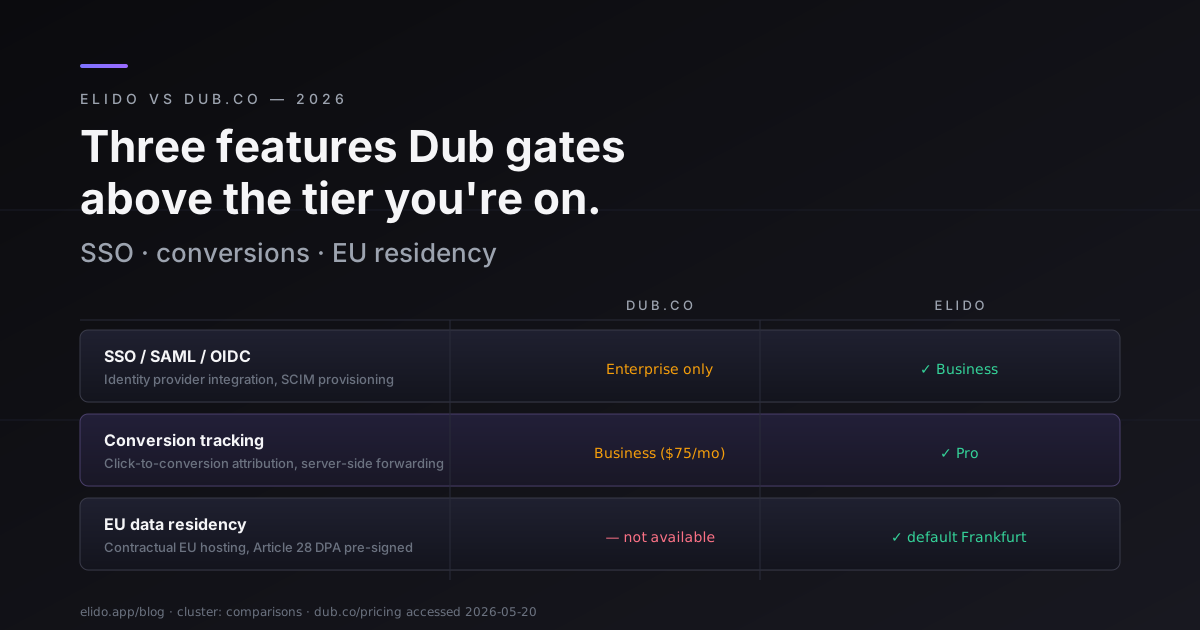
- L'SSO (SAML/OIDC) su Dub è riservato all'Enterprise - non è disponibile sul piano Business a $75/mese. Su Elido, l'SSO è disponibile nel piano Business.
- Il tracciamento conversioni su Dub richiede il piano Business ($75/mese) o superiore. Su Elido, il tracciamento conversioni è incluso nel piano Pro.
- Dub non offre residenza dei dati UE. Tutti i dati vengono elaborati su infrastruttura statunitense. Elido ha l'UE come sede predefinita con residenza UE contrattuale su ogni piano a pagamento.
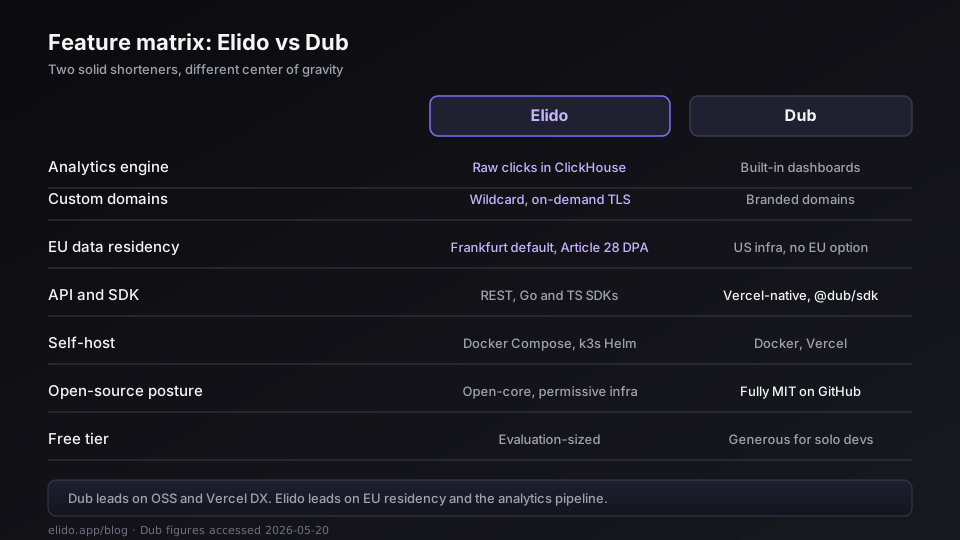
- Entrambe le piattaforme supportano il self-hosting. Dub è completamente open-source sotto licenza MIT. Elido è open-core con il livello infrastrutturale disponibile pubblicamente e una licenza permissiva per i deployment self-hosted.
Cosa fa meglio Dub
La risposta onesta è: molte cose. Prima di entrare nel merito di dove Elido si adatta meglio, ecco dove Dub è genuinamente più forte o alla pari.
Open-source con una vera cultura OSS. Il codice sorgente di Dub è su GitHub, sotto licenza MIT e attivamente mantenuto. Il repo ha contributi significativi dalla community, un changelog pubblico e una governance che rende credibile il suo status OSS. Se "posso verificare la logica di redirect" o "voglio contribuire upstream" è un requisito reale, Dub ha una risposta più forte della maggior parte degli URL shortener SaaS.
UI e DX curata. L'app web di Dub è uno degli strumenti più attentamente progettati in questa categoria. L'esperienza di creazione dei link, il builder di QR code, le dashboard analytics - il prodotto ha una qualità visiva che corrisponde allo standard di design Vercel/Raycast a cui un certo segmento del pubblico sviluppatore tiene profondamente. Se il tuo team giudica gli strumenti dalla loro estetica UX, Dub vincerà quella valutazione.
Integrazione con l'ecosistema Vercel. L'SDK Next.js di Dub e il pacchetto @dub/sdk hanno supporto di prima classe per le edge function e il modello di deployment di Vercel. Se il tuo stack è Next.js deployato su Vercel, la superficie di integrazione di Dub è nativa in un modo che non richiede lavoro di adattamento.
Funzionalità AI nel piano Pro. Dub include generazione di slug tramite AI e generazione assistita da AI dei parametri UTM nel piano Pro. Queste funzionalità sono genuinamente utili per i team che creano grandi volumi di link dove le collisioni di slug e la coerenza degli UTM sono una frizione operativa. Elido include template UTM e import bulk; non include la generazione di slug tramite AI al momento della stesura di questo articolo.
Riprova sociale su GitHub e community. Per i team in cui "questo strumento esisterà ancora tra due anni?" è un criterio di valutazione reale, le stelle GitHub e la community OSS di Dub offrono una garanzia di continuità che un vendor SaaS closed-source non può eguagliare. È un segnale legittimo - il codice è su GitHub e la community invia PR su di esso.
I tre gap funzionali per i team mid-market
Riconoscere dove Dub è forte rende più facile essere precisi su dove non si adatta. Non si tratta di casi limite oscuri - sono funzionalità che i team B2B mid-market mettono regolarmente nella checklist di valutazione.
SSO: bloccato all'Enterprise, non al Business
Nella pagina pubblica dei prezzi di Dub, l'SSO (SAML/OIDC) è elencato come funzionalità Enterprise. Il piano Business a $75/mese non include l'SSO. I prezzi Enterprise sono personalizzati e negoziati.
Questo è rilevante per un profilo di acquirente specifico: aziende SaaS mid-market nella fascia dai 50 ai 500 dipendenti dove il reparto IT ha una policy che richiede che ogni vendor SaaS utilizzato da più di cinque persone sia integrato con il provider di identità aziendale. Questi team non sono "enterprise" per fatturato o numero di dipendenti. Lo sono per postura di governance IT. Hanno bisogno dell'SSO perché il loro reparto IT lo richiede, non perché vogliano pagare per un contratto enterprise.
Su Elido, l'SSO è disponibile nel piano Business. Utilizza il nostro livello di autenticazione per la gestione delle identità con WorkOS integrato per SSO/SCIM. La pagina della funzionalità SSO copre i provider supportati e l'integrazione di provisioning SCIM. Se la tua policy IT richiede l'SSO e non hai un budget enterprise, questo gap è l'intera decisione.
Tracciamento conversioni: richiede il piano Business
Il tracciamento delle conversioni di Dub (attribuzione click-to-conversion) è indicato come funzionalità del piano Business nella pagina dei prezzi. Se sei nel piano Pro a $19/mese e vuoi tracciare se un click sul tuo link breve ha portato a una registrazione, un acquisto o un evento a valle, devi passare al Business prima di poterlo configurare.
Elido include il tracciamento conversioni nel piano Pro. Invii un evento di conversione all'API con l'ID click che Elido aggiunge al redirect, e la piattaforma gestisce la catena di attribuzione. La pagina della funzionalità di tracciamento conversioni copre lo schema degli eventi e l'inoltro lato server a Meta CAPI, GA4 e Mixpanel. Nessun tier di piano aggiuntivo richiesto.
La matematica dei prezzi è rilevante qui. Se sei un team che vuole sia un prodotto di link shortening curato che il tracciamento delle conversioni lato server, il punto di ingresso di Dub per questa combinazione è $75/mese. Il punto di ingresso di Elido è il piano Pro. Il set di funzionalità per cui stai pagando al tier Business di Dub non è equivalente a Elido Pro - il piano Business di Dub include maggiore profondità analytics, gestione del team e funzionalità AI - ma se il tracciamento delle conversioni è il gap specifico, il prezzo per funzionalità per sbloccarlo è diverso.
Residenza dei dati UE: assente a ogni tier
Dub elabora tutti i dati su infrastruttura statunitense. Non è indicata alcuna opzione di residenza UE nella pagina dei prezzi, nessuna selezione di regione UE durante la configurazione del workspace, e nessun DPA che si impegna a mantenere i dati di click all'interno del SEE. Per uno strumento per sviluppatori usato da builder individuali, questo non è un problema. Per un vendor SaaS B2B i cui clienti sono aziende con sede nell'UE, può essere un blocco per il procurement.
Il quadro legale è lo stesso che in ogni confronto tra URL shortener: l'Articolo 3 del GDPR assoggetta al GDPR il trattamento dei dati di soggetti UE indipendentemente dalla posizione del processore, e la sentenza Schrems II (CGUE C-311/18) significa che i trasferimenti basati su SCC verso processori statunitensi richiedono una Transfer Impact Assessment nei settori regolamentati. Se il tuo acquirente è una fintech tedesca, un SaaS sanitario francese, o un ente del settore pubblico UE, una TIA su un sub-processore hosted negli USA è standard nel procurement. Questo aggiunge settimane.
Elido ha l'UE come sede predefinita. La pagina trust elenca un breve insieme di sub-processori e le regioni in cui operano. Il DPA include gli obblighi dell'Articolo 28 pre-firmati. Se il team di procurement del tuo acquirente chiede "dove vanno i dati di click?", la risposta di Elido è "la regione UE, Articolo 28 pre-firmato, ecco la pagina trust." Un paragrafo invece di un esercizio di TIA. La pagina solutions/compliance è la versione rivolta al procurement.
Confronto open-source
Sia Dub che Elido supportano il self-hosting, ma il modello di licenza è diverso.
Dub è completamente open-source sotto la licenza MIT - l'intero codice sorgente, inclusa l'infrastruttura di redirect, la pipeline analytics e l'app web, si trova nel repository pubblico su GitHub. Fork, modifica, utilizza commercialmente, senza restrizioni. I docs di self-host coprono i percorsi di deployment su Docker e Vercel.
Elido è open-core. I componenti infrastrutturali (edge redirect, API core, pipeline analytics) sono pubblicamente disponibili con una licenza permissiva. Il prodotto hosted include funzionalità aggiuntive (motore di fatturazione, modalità reseller white-label, edge POP dedicati) non incluse nella distribuzione self-hosted. La documentazione self-host copre Docker Compose e il Helm chart k3s; il post playbook su k3s è la guida operativa.
Se "piena auditabilità del codice sorgente sotto MIT" è un requisito rigido per l'onboarding vendor, Dub lo soddisfa in modo più completo. Se "infrastruttura self-hostable con licenza permissiva" è sufficiente, Elido copre questo. Il modello open-core finanzia l'investimento nell'infrastruttura UE che rende possibile la storia della residenza dei dati - un modello puramente OSS rende più difficile sostenerlo.
Confronto prezzi a tre volumi
La struttura dei tier di Dub al 2026-05-20 è: Free, Pro ($19/mese), Business ($75/mese), Enterprise (personalizzato). La pagina dei prezzi mostra il set di funzionalità per ogni tier. I principali segnali di fatturazione sono i link tracciati e i click inclusi; il comportamento degli overage varia per tier.
I tier di Elido sono Free, Pro, Business ed Enterprise. Vedi /pricing per i numeri attuali - non cito qui i prezzi specifici di Elido deliberatamente perché quella pagina si aggiorna con promozioni e prezzi regionali. La differenza strutturale rilevante è: SSO e tracciamento conversioni si collocano diversamente lungo la scala dei tier.
Piccolo SaaS B2B, 30K click/mese, 200 link/mese. I tier free o i tier entry paid di entrambi i vendor coprono questo volume. Nessun modello di pricing è penalizzante. Se il tuo team non ha bisogno di SSO o tracciamento conversioni lato server, il piano Pro di Dub ($19/mese) è un'offerta molto competitiva - la generazione di slug tramite AI e la UI curata rappresentano un valore reale a quel prezzo. Il tier Pro di Elido copre lo stesso volume. A questa scala, la decisione riguarda le funzionalità e la prospettiva futura, non il costo.
Team di performance marketing, 150K click/mese, 3K link/mese. Qui il tracciamento delle conversioni diventa operativamente rilevante. Fare acquisizione a pagamento senza attribuzione delle conversioni lato server significa che Safari ITP e le restrizioni sui cookie lato browser stanno erodendo silenziosamente la tua attribuzione. Su Dub, il tracciamento conversioni significa il piano Business ($75/mese). Su Elido, è incluso nel piano Pro. Se l'attribuzione delle conversioni fa parte del tuo stack di misurazione a questo volume, il confronto tra i tier è il principale input decisionale sui prezzi.
SaaS mid-market con policy IT per l'SSO, 400K click/mese, 10K link/mese. Qui la questione dell'SSO è il fattore determinante. Il reparto IT richiede l'integrazione con il provider di identità; il team non ha un budget enterprise. Su Dub, l'SSO significa un preventivo Enterprise personalizzato. Su Elido, l'SSO è incluso nel piano Business. Il confronto del costo totale a questo tier dipende molto dal preventivo Enterprise di Dub, che varia. Ciò che è chiaro è la differenza strutturale: il piano Business di Elido include l'SSO; quello di Dub no.
Considerazioni sulla migrazione
Se stai passando da Dub a Elido, i passaggi operativi sono più leggeri della maggior parte delle migrazioni. Il modello dati di Dub è pulito e il formato di esportazione è ben documentato.
Esportazione dei link. L'esportazione del workspace di Dub produce un file CSV o JSON con il link breve, l'URL di destinazione, il dominio, lo slug, i tag e il timestamp di creazione. Il formato è semplice. L'endpoint di import bulk di Elido su /v1/links/bulk accetta slug, destinazione, dominio e tag - i campi si mappano uno a uno da un'esportazione Dub. Una migrazione di 10.000 link richiede un'ora di lavoro più il tempo di propagazione DNS.
Handover DNS del dominio personalizzato. Se il tuo dominio brandizzato punta attualmente all'infrastruttura di redirect di Dub, dovrai reindirizzare il CNAME verso Elido e attendere che il TLS venga emesso prima che i vecchi slug si risolvano correttamente tramite Elido. L'approccio è lo stesso di qualsiasi cambio di CNAME: abbassa il TTL il giorno prima, reindirizza, valida. Elido emette il TLS alla prima richiesta tramite TLS automatico on-demand - tipicamente in meno di 60 secondi. La guida ai domini personalizzati copre la meccanica DNS e TLS in dettaglio.
Continuità analytics. Le analytics dei click precedenti alla migrazione rimangono nel sistema di Dub. Le analytics a partire dal giorno della migrazione si accumulano in Elido. Pianifica un'interruzione nella linea di tendenza storica e comunicala a chi gestisce il reporting.
Utenti di Dub self-hosted. Il percorso di migrazione è lo stesso descritto sopra. Se vuoi fare self-host di Elido invece di usare il prodotto hosted, il playbook k3s è la guida operativa.
Matrice decisionale
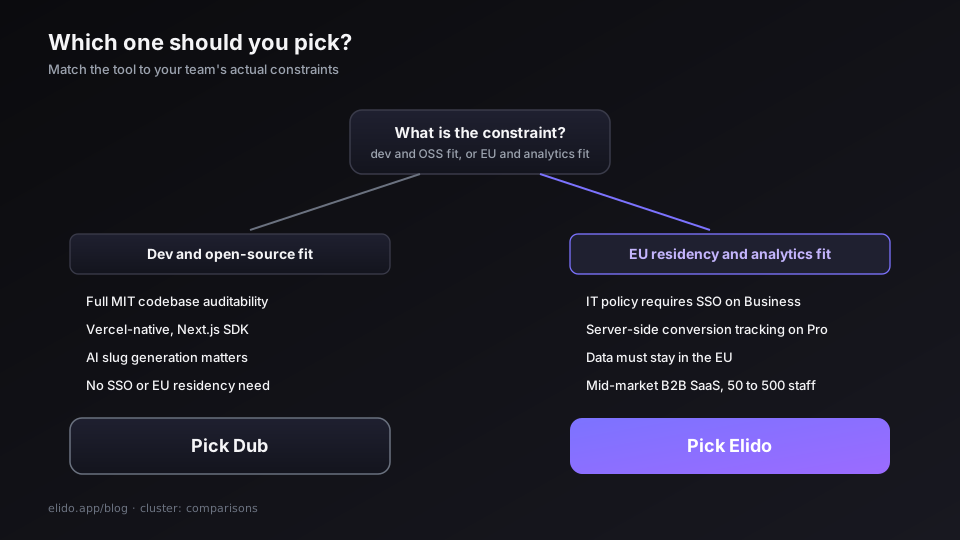
Quando Dub è la scelta migliore:
- Sei uno sviluppatore solista o una startup in fase iniziale che apprezza l'auditabilità OSS, una bella UI e il pattern di integrazione nativo Vercel. Il piano Pro di Dub ha un ottimo rapporto qualità-prezzo.
- MIT open-source completo è un requisito non negoziabile. Se hai bisogno di verificare e fare il fork dell'intero codice sorgente, la licenza MIT di Dub lo copre senza ambiguità.
- Sei profondamente nell'ecosistema Vercel/Next.js e vuoi supporto SDK di prima classe per le edge function. Il
@dub/sdkdi Dub è ottimizzato per questo. - La generazione di slug tramite AI è importante per il tuo volume. Le funzionalità link con AI di Dub sono avanti rispetto a Elido su questa dimensione specifica.
- Non hai requisiti di SSO né di residenza UE. Se questi due vincoli non si applicano, il piano Pro di Dub offre un prodotto curato a un prezzo competitivo.
Quando Elido è la scelta migliore:
- La tua policy IT richiede l'SSO e non hai un budget enterprise. Elido Business include l'SSO; Dub richiede un contratto Enterprise.
- Hai bisogno del tracciamento conversioni lato server nel piano Pro. Elido lo include; Dub lo blocca dietro il piano Business.
- I tuoi dati devono rimanere nell'UE. Dub non ha alcuna opzione di residenza UE. Elido ha l'UE come sede predefinita con un DPA Articolo 28 pre-firmato.
- Stai valutando per un SaaS B2B mid-market con 50-500 dipendenti, una postura di governance IT e clienti UE. Questo è il profilo per cui Elido è stato costruito.
- Hai bisogno di domini personalizzati wildcard per casi d'uso agenzia o multi-tenant. Elido Business supporta
*.agency.examplecon un solo CNAME e una sola rotazione del certificato TLS.
Le grandi aziende con requisiti di procurement complessi dovrebbero riflettere attentamente prima di scegliere uno dei due. A quella scala, entrambi i vendor offrono prezzi Enterprise personalizzati e un confronto tra tier self-serve smette di essere la giusta prospettiva.
FAQ
Dub è davvero open-source? Sì, completamente. Il codice sorgente di Dub è sotto licenza MIT ed è disponibile su GitHub. Puoi fare il fork, fare self-host e modificarlo commercialmente. Questo è un vero elemento di differenziazione e la community OSS attorno al progetto è attiva.
Elido ha una versione open-source? Elido è open-core. I componenti infrastrutturali (edge redirect, pipeline analytics, API core) sono pubblicamente disponibili per deployment self-hosted con licenza permissiva. La pagina self-host illustra cosa è incluso. Il set completo di funzionalità commerciali (motore di fatturazione, modalità reseller white-label) è disponibile solo nel prodotto hosted.
Perché l'SSO costa così tanto su Dub? L'SSO enterprise ha storicamente comportato un overhead di supporto (configurazione IdP, casi limite SCIM, revisioni di sicurezza) che ha giustificato un prezzo premium, e il posizionamento di Dub riflette questa eredità. Il punto di vista di Elido: i team mid-market hanno bisogno dell'SSO per ragioni di policy IT, non perché siano "enterprise", e bloccare la funzionalità dietro un contratto personalizzato non è adatto a quel profilo di acquirente.
Se faccio self-host di Dub, ottengo l'SSO gratuitamente? La licenza MIT significa che puoi implementare l'SSO tu stesso nel codice sorgente - ma questo implica lavoro di ingegneria: configurare un IdP, cablare il flusso SAML/OIDC e mantenere l'integrazione. "Tecnicamente disponibile nell'OSS" e "incluso come funzionalità mantenuta" sono cose diverse. Verifica i docs di Dub self-hosted rispetto alla tua capacità ingegneristica prima di dare per scontato che sia un percorso gratuito.
Posso usare l'hosting UE di Elido dall'esterno dell'UE? Sì. L'hosting UE è la scelta predefinita, ma i workspace del piano Business possono essere fissati a USA Est o Asia-Pacifico. È un opt-in, non un default - se non hai requisiti di residenza, scegli la regione più vicina al tuo traffico.
Elido ha funzionalità AI come Dub? Non alla pari. Elido include template UTM, import bulk e smart routing con sei dimensioni. Non include la generazione di slug tramite AI o la generazione assistita da AI dei parametri UTM al momento della stesura. Se la creazione di link con AI è un criterio di valutazione primario, Dub è avanti su quella dimensione.
Quanto è onerosa la migrazione da Dub a Elido? Per un team con un solo dominio brandizzato e meno di 10.000 link, pianifica mezza giornata: esporta il CSV, importa in blocco su Elido, reindirizza il CNAME, valida. I workspace più grandi con più domini o workflow molto automatizzati dovrebbero calcolare uno o due giorni per i test. Vedi la sezione sulla migrazione sopra per i passaggi dettagliati.
Correlati sul blog
- SCIM e SSO per strumenti di marketing: cosa chiede davvero l'IT enterprise
- Tracciamento conversioni lato server: la guida completa alla configurazione
- Residenza dei dati UE per strumenti di marketing: cosa chiede davvero il tuo DPO
- Self-hosting di Elido su k3s: un playbook pronto per la produzione
- URL shortener per SaaS: la guida di valutazione 2026
- Alternative a Dub: il panorama developer-first
Domande frequenti
Dub è davvero open-source?
Sì, completamente. Il codice sorgente di Dub è sotto licenza MIT ed è disponibile su GitHub. Puoi eseguire un fork, fare self-host e modificarlo commercialmente. Questo è un vero elemento di differenziazione e la community OSS attorno al progetto è attiva.
Elido ha una versione open-source?
Elido è open-core. I componenti infrastrutturali - edge redirect, pipeline analytics, API core - sono pubblicamente disponibili per deployment self-hosted con licenza permissiva. Il set completo di funzionalità commerciali, tra cui il motore di fatturazione e la modalità reseller white-label, è disponibile solo nel prodotto hosted.
Perché l'SSO costa così tanto su Dub?
L'SSO enterprise ha storicamente comportato un overhead di supporto - configurazione IdP, casi limite SCIM, revisioni di sicurezza - che ha giustificato un prezzo premium, e il posizionamento di Dub riflette questa eredità. Il punto di vista di Elido è che i team mid-market hanno bisogno dell'SSO per ragioni di policy IT, non perché siano enterprise, e bloccare la funzionalità dietro un contratto personalizzato non è adatto a quel profilo di acquirente.
Se faccio self-host di Dub, ottengo l'SSO gratuitamente?
La licenza MIT significa che puoi implementare l'SSO tu stesso nel codice sorgente, ma questo implica lavoro di ingegneria: configurare un IdP, cablare il flusso SAML o OIDC e mantenere l'integrazione. 'Tecnicamente disponibile nell'OSS' e 'incluso come funzionalità mantenuta' sono cose diverse. Verifica i docs di Dub self-hosted rispetto alla tua capacità ingegneristica prima di dare per scontato che sia un percorso gratuito.
Posso usare l'hosting UE di Elido dall'esterno dell'UE?
Sì. L'hosting UE è la scelta predefinita, ma i workspace del piano Business possono essere fissati a USA Est o Asia-Pacifico. È un opt-in, non un default - se non hai requisiti di residenza, scegli la regione più vicina al tuo traffico.
Quanto è onerosa la migrazione da Dub a Elido?
Per un team con un solo dominio brandizzato e meno di 10.000 link, pianifica mezza giornata: esporta il CSV da Dub, importa in blocco su Elido, reindirizza il CNAME e valida. I workspace più grandi con più domini o workflow molto automatizzati dovrebbero calcolare uno o due giorni per i test. L'endpoint di import bulk di Elido accetta slug, destinazione, dominio e tag, che si mappano uno a uno da un'esportazione Dub.
Prova Elido
Incolla un URL, ottieni un link breve
Senza registrazione. Il link vive 30 giorni. Iscriviti per conservarlo.
Gratis, nessuna registrazione richiesta · 2 al giorno