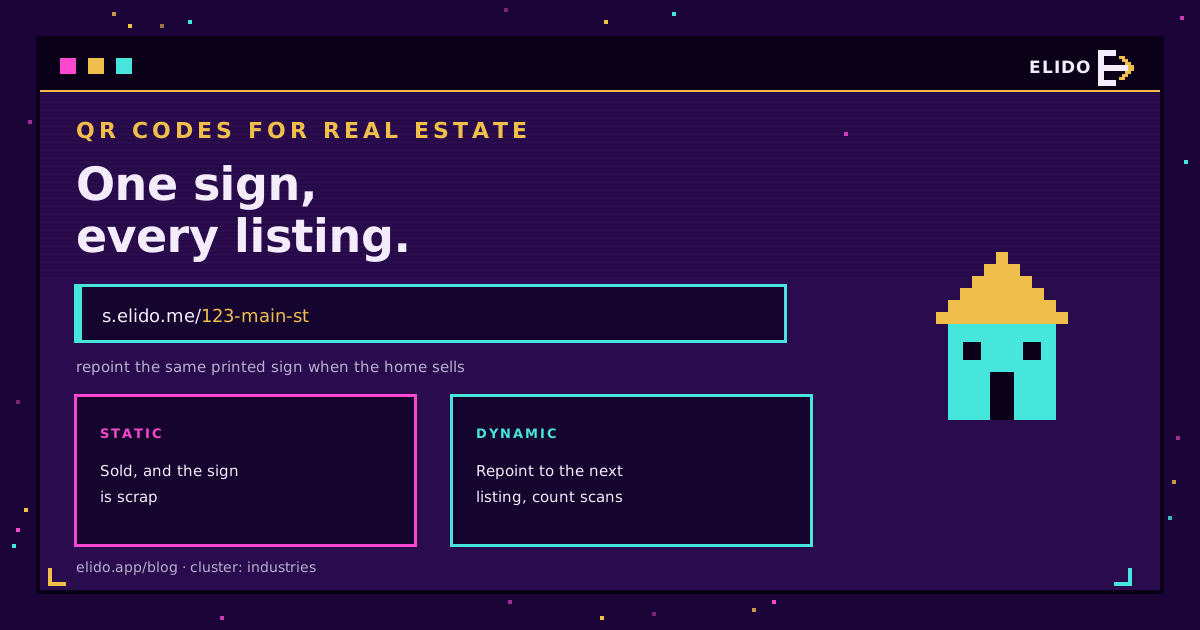
QR-коди для нерухомості перетворюють табличку подвір'я, флаєр чи вітрину на скан, що відкриває лістинг, віртуальний тур чи форму ліда, тож покупець, який стоїть біля об'єкта, отримує деталі, а ви - контакт. Хід, що робить це ефективним, - використання динамічного коду: одну надруковану табличку можна перенаправити на ваш наступний лістинг після того, як цей об'єкт буде проданий, замість того, щоб вона перетворилася на непотріб у день закриття угоди.
Це практична версія для агентів: що розмістити за кодом, як фіксувати лід, а не просто інформувати, як спроєктувати код, що сканується з машини, і як побачити, які таблички працюють. Якщо коди для вас нова тема, як створити QR-код охоплює основи.
Що розмістити за кодом
Код настільки хороший, наскільки хороше те, куди він веде. Покупець сканує, бо хоче більше, ніж може вмістити табличка.
- Сторінка лістингу з повними фото, ціною і деталями - для покупця, який хоче все й одразу.
- Відео чи 3D-тур - найбажаніший пункт призначення для скану об'єкта нерухомості.
- План поверху, часто PDF, який ви розміщуєте й на який посилаєтесь, тож планування - на відстані одного дотику.
- Форма реєстрації на день відкритих дверей або номер для інформації, що фіксує контакт, перетворюючи випадкового перехожого на лід.
Вам не потрібно обирати один варіант назавжди. Оскільки код динамічний, та сама табличка може вести на тур цього тижня і на форму дня відкритих дверей у вихідні перед подією. National Association of Realtors відстежує, як агенти впроваджують ці інструменти, і патерн незмінний: коди, що приносять бізнес, ведуть покупців туди, де вони можуть щось зробити, а не просто прочитати.
Чому динамічний тип тут - правило
Нерухомість - найяскравіший приклад динамічних кодів серед усіх галузей, бо ваші таблички живуть довше за ваші лістинги.
Табличку подвір'я друкують один раз і використовують для багатьох об'єктів упродовж багатьох місяців. Статичний код закодовує пункт призначення в патерн, тож у момент продажу лістингу код веде на мертву чи застарілу сторінку, а табличка перетворюється на непотріб. Динамічний код кодує короткий лінк під вашим контролем, тож коли об'єкт закривається, ви перенаправляєте ту саму фізичну табличку на наступний лістинг, сторінку «продано» чи ваш профіль, без жодного передруку. Ми детально розбираємо цю механіку в статті динамічні проти статичних QR-кодів.
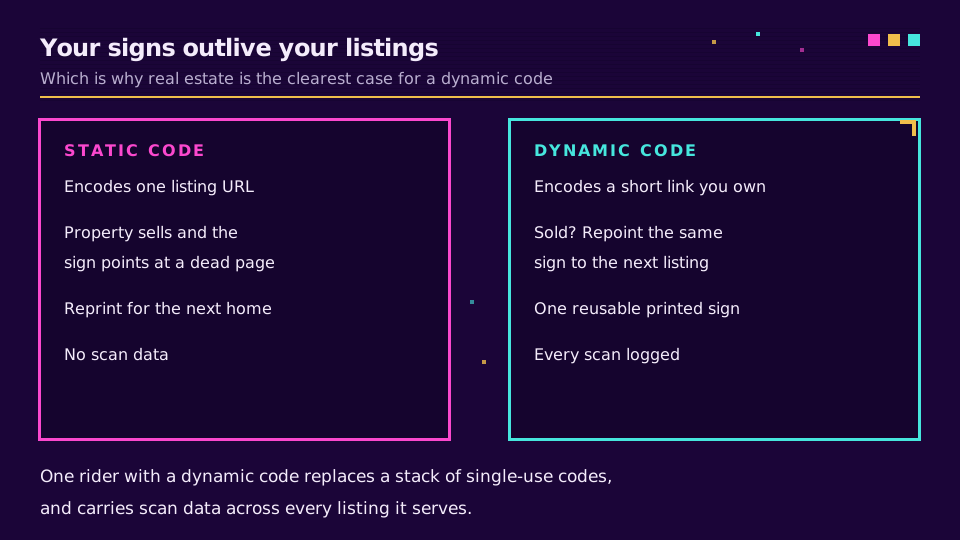
Уся суть - у повторному використанні. Одна багаторазова вивіска з динамічним кодом замінює стос одноразових надрукованих кодів і несе дані про скани через кожен лістинг, який вона обслуговує.
Фіксуйте лід, а не просто інформуйте
Посилання на лістинг розповідає покупцю про будинок. Воно не розповідає вам, хто цей покупець. Саме в цьому розриві більшість кодів для нерухомості втрачають гроші.
Спрямуйте код на сторінку, що фіксує контакт: реєстрацію на день відкритих дверей, форму з номером для інформації, оцінку вартості будинку, що запитує email, або реєстраційний бар'єр перед повною галереєю. Тепер скан - це лід з ім'ям і номером, а не анонімний перегляд.
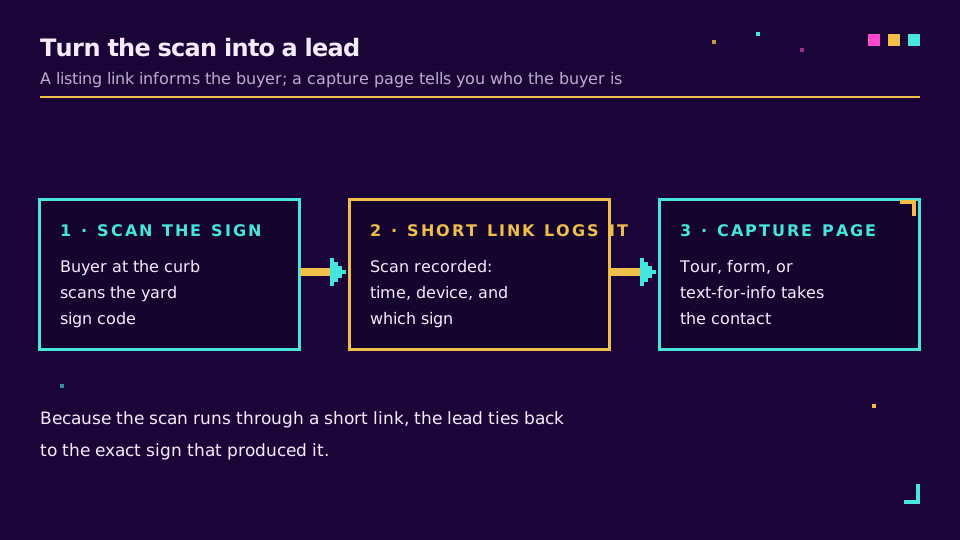
І оскільки динамічний код проходить через короткий лінк, кожен скан логується, тож ви можете прив'язати лід до точної таблички, яка його дала. Якщо ви хочете, щоб код був редаговним і вимірюваним з самого початку, QR-коди Elido генерують динамічний брендований код поверх короткого лінка, яким ви володієте, і ви можете налаштувати це на безкоштовному тарифі.
Спроєктуйте код, що сканується з машини
Код для нерухомості живе на вулиці, і його читають з відстані, тож правила дизайну тут суворіші, ніж для настільної картки.
Розмірюйте його під відстань сканування, приблизно за співвідношенням 10 до 1, тож код, який читають з кількох метрів, має бути великим, а вивіска, яку читають з повільного авто, повинна бути ще більшою і висококонтрастною. Зберігайте сильний контраст між патерном і фоном, залишайте тиху зону незайманою і підвищуйте рівень корекції помилок, визначений у стандарті QR, щоб код усе одно сканувався крізь погоду, відблиски й трохи бруду. Додайте чіткий заклик до дії на кшталт «Скануйте, щоб побачити віртуальний тур», бо голий код не дає причини піднімати телефон. Дизайнерська сторона розкрита в дизайні брендованого QR-коду.
Протестуйте надруковану табличку на вулиці перед тиражем, з тієї відстані й під тим кутом, під яким її використає справжній покупець, на iPhone і на Android. Код, що сканується на вашому столі, може не спрацювати на табличці під сонцем.
Куди його розмістити
Той самий динамічний код, або набір таких кодів, розповсюджується на кожну поверхню, до якої торкається покупець.
Таблички подвір'я і вивіски на вікнах - основне розміщення. Крім них: надруковані брошури й скриньки з флаєрами, листівки «щойно виставлено» і «щойно продано», вказівні таблички та листи реєстрації на дні відкритих дверей, візитки і соціальні пости про лістинг. Дайте кожному розміщенню власний короткий лінк, щоб табличка подвір'я, флаєр і листівка були окремими рядками, які можна порівняти - це покаже, звідки насправді приходять ваші скани.
Відстежуйте, які таблички працюють
Коли коди динамічні, ви перестаєте гадати, який маркетинг окупається.
Кожен скан - це залогована подія з часом, приблизною локацією і пристроєм, тож ви бачите, скільки людей відсканували конкретну табличку, коли і звідки, і можете зіставити це з лідами, що надійшли. Це відповідає на реальні питання: чи табличка подвір'я приносить більше сканів, ніж листівка, чи скористалися новою вивіскою дня відкритих дверей, чи викликає лістинг інтерес біля бордюру навіть без пропозицій. Як відстежувати скани QR-коду детально пояснює, як читати ці дані, а під усім цим код - звичайний короткий лінк, тому його можна вимірювати й перенаправляти.
Що не працює
Три звички, що марнують табличку:
Статичний код на кожен лістинг. Це гарантує передрук щоразу, коли об'єкт продається, і викидає всі дані про скани. Динамічний тип - типовий вибір для нерухомості, а не апгрейд.
Код, надто малий, щоб прочитати з вулиці. Покупець не виходитиме з машини, щоб відсканувати код розміром з поштову марку. Розмірюйте під відстань і тримайте контраст високим.
Пряме посилання на лістинг без фіксації. Голе посилання на лістинг чи MLS інформує покупця і нічого не розповідає вам. Спрямуйте код на сторінку, що фіксує контакт, щоб скан перетворився на лід.
Виправте ці моменти - і один динамічний код перетворить кожну вашу табличку на багаторазове, вимірюване джерело лідів, що супроводжує вас від лістингу до лістингу.
Пов'язане в блозі
- Як створити QR-код: статичний, динамічний, відстежуваний
- Динамічні vs статичні QR-коди: що насправді змінюється
- QR-код для PDF: прив'яжіть будь-який документ за кілька хвилин
- Брендовані QR-коди, які залишаються сканованими: посібник з дизайну
- Як відстежувати скани QR-коду: аналітика, що має значення
Поширені запитання
Як агенти з нерухомості використовують QR-коди?
Агенти розміщують QR-код на табличках подвір'я, вивісках на вікнах, флаєрах і матеріалах для днів відкритих дверей, щоб покупець, який стоїть біля об'єкта, міг відсканувати код і за кілька секунд отримати лістинг, віртуальний тур, план поверху чи контактну форму. Найсильніші налаштування спрямовують код на сторінку, що фіксує дані покупця, тож скан стає лідом. З динамічним кодом одну надруковану табличку можна перенаправити на наступний лістинг після того, як цей об'єкт буде проданий.
На що має вести QR-код для нерухомості?
Ведіть його туди, що просуває покупця вперед: повна сторінка лістингу з фото та ціною, відео чи 3D-тур, план поверху, форма реєстрації на день відкритих дверей або сторінка з номером для інформації, що фіксує контактні дані. Голе посилання на MLS інформує, але не фіксує лід, тож для лідогенерації спрямовуйте код на сторінку з формою. Яким би не був пункт призначення, використовуйте динамічний код, щоб змінювати його без передруку таблички.
Чи справді скановують QR-коди на табличках подвір'я в сфері нерухомості?
Так, коли код розміщений і розмірений під контекст. Покупець, що зупинився біля бордюру з телефоном у руці й порівнює будинки, - це мотивований сканер, і чіткий заклик до дії на кшталт «Скануйте, щоб побачити віртуальний тур» помітно підвищує кількість сканів. Коди, що не працюють, зазвичай надто малі, щоб їх прочитати з машини, мають низький контраст або ведуть на повільну чи неробочу сторінку. Розмірюйте під відстань сканування, тестуйте на вулиці і дайте людям причину сканувати.
Чи варто використовувати статичний чи динамічний QR-код для нерухомості?
Майже завжди динамічний. Об'єкт продається, і зі статичним кодом табличка перетворюється на непотріб, бо пункт призначення закодований назавжди. Динамічний код кодує короткий лінк під вашим контролем, тож коли лістинг закривається, ви перенаправляєте ту саму надруковану табличку на ваш наступний об'єкт, сторінку «продано» чи профіль агента. Динамічні коди також рахують скани, тож ви дізнаєтеся, які таблички й розміщення генерують інтерес.
Якого розміру має бути QR-код на табличці подвір'я?
Розмірюйте його під відстань, з якої його скануватимуть. Приблизне правило - співвідношення 10 до 1 між відстанню сканування і шириною коду, тож код, який читають з відстані близько 3 метрів, має бути близько 30 см, а код на вивісці, що читають з машини, повинен бути великим і висококонтрастним. Зберігайте тиху зону, чіткий відступ, незайманою, і підвищуйте рівень корекції помилок для таблички, що стоїть на вулиці під впливом погоди.
Спробуйте Elido
Вставте URL - отримайте коротке посилання
Без реєстрації. Посилання живе 30 днів. Зареєструйтесь, щоб зберегти назавжди.
Безкоштовно, без реєстрації · 2 на день