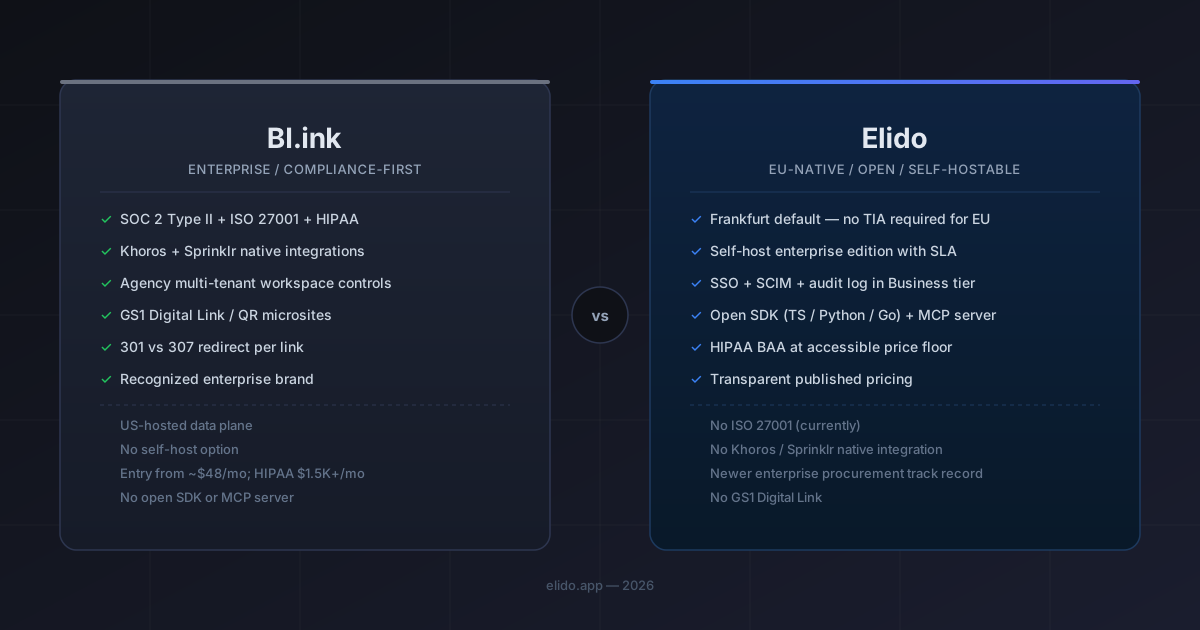
Bl.ink займає специфічну та впевнену позицію на ринку скорочувачів посилань. Це платформа, до якої звертаються маркетингові директори корпорацій та керівники агенцій, коли мова заходить про сертифікацію комплаєнсу, управління брендованими посиланнями та інтеграцію з корпоративними соціальними інструментами. SOC 2 Type II, ISO 27001, HIPAA, GDPR, CCPA - Bl.ink має стек комплаєнсу, який задовольнить будь-який перевірочний список відділу закупівель у медичній системі, фінансовій фірмі або регульованому медіа-бренді.
Чим Bl.ink не є у 2026 році, так це резидентом ЄС за замовчуванням, сервісом із підтримкою self-hosting або платформою з доступною ціною нижче корпоративного рівня. Початковий план (Build) коштує близько $48/місяць згідно з публічною сторінкою цін; рівень HIPAA сягає $1,500–5,000/місяць у корпоративному сегменті. Для багатьох покупців, орієнтованих на комплаєнс, на яких націлений Bl.ink, така цінова стеля є реальним обмеженням - а відсутність опції self-host є структурною перешкодою для певної підмножини регульованих організацій.
Ця стаття - чесне порівняння обох платформ: де перемагає Bl.ink, де виграє Elido, і два практичних сценарії, коли кожен із них є правильним рішенням. Усі твердження про функції Bl.ink посилаються на їхні публічні сторінки можливостей та цін; цифри базуються на конкурентному аналізі, проведеному у квітні 2026 року. Сторінка bl.ink/pricing заблокувала автоматичну перевірку фактів у травні 2026 року - перевірте всі цифри Bl.ink на bl.ink/pricing, перш ніж передавати їх у відділ закупівель.
Для кого створено Bl.ink
Продуктові рішення Bl.ink стають зрозумілими, якщо знати їхнього цільового покупця: маркетингова команда корпорації в регульованій галузі та агенція, яка її обслуговує.
Маркетологи великих брендів та агенції. Модель мультитенентних робочих просторів Bl.ink чітко відповідає потребам агенції, що керує десятками клієнтів, або корпорації, яка управляє кількома суббрендами. Власні домени для кожного бренду, окрема аналітика для кожного робочого простору, доступ на основі ролей для кожної команди - продукт побудований на припущенні, що ви керуєте програмами посилань для більш ніж одного бренду в межах одного контракту.
Організації з високими вимогами до комплаєнсу. Стек сертифікацій - найхарактерніша риса Bl.ink серед скорочувачів URL-адрес. SOC 2 Type II та ISO 27001 є обов'язковими для перевірок безпеки корпоративних ІТ-відділів. Наявність HIPAA BAA дозволяє Bl.ink бути частиною розмови для маркетингових команд у сфері охорони здоров'я, які не можуть використовувати несертифікованого постачальника для інфраструктури посилань. Покриття GDPR та CCPA закриває регуляторні питання для покупців із США та ЄС. Жоден інший скорочувач на ринку порівняння не відповідає такій широті сертифікації публічно.
Користувачі корпоративних соціальних мереж та CRM. Bl.ink пропонує нативні інтеграції з Khoros та Sprinklr - платформами, які використовуються командами з управління соціальними мережами у брендах Fortune-500. Якщо ваш робочий процес публікації в соцмережах проходить через Sprinklr, нативний конектор Bl.ink означає, що брендовані посилання створюються та відстежуються всередині робочого процесу, який ваша команда вже використовує. Slack, HubSpot, Zapier та Salesforce також є у списку інтеграцій.
Програми "фізичне-цифрове" з акцентом на QR-коди. Bl.ink - один із небагатьох скорочувачів із підтримкою GS1 Digital Link - стандарту для QR-кодів на рівні продукту, що використовуються в роздрібній торгівлі, CPG (товарах повсякденного попиту) та упаковці медичних товарів. Якщо ви бренд, що реалізує фізичні програми з QR-кодами, які мають вести на мікросайти продуктів або нормативну інформацію, GS1 Digital Link є важливою перевагою. Функція Digital Product Microsites (CXP) від Bl.ink додає рівень CMS без коду поверх сканувань QR-кодів - фізична упаковка веде на QR, QR розпізнається через Bl.ink, Bl.ink відкриває брендований мікросайт. Розробка під замовлення не потрібна.
У чому Bl.ink перемагає в порівнянні
Глибина сертифікації комплаєнсу. Як зазначено вище, це найочевидніша перевага. SOC 2 Type II плюс ISO 27001 плюс HIPAA у одного постачальника скорочувача - це рідкість. Для маркетингового відділу системи охорони здоров'я або фінансової установи, що проводить цифрову кампанію, можливість вказати відділу закупівель на постачальника, який уже виконав роботу із сертифікації, важливіша за порівняння функцій. Bl.ink виконав цю роботу; більшість скорочувачів - ні. Elido має SOC 2 Type II та відповідність GDPR/CCPA, а також пропонує HIPAA BAA на рівнях Business та Enterprise - але ISO 27001 наразі не вказано на сторінці довіри Elido на момент написання цієї статті.
Інструменти мультитенентності для агенцій та корпорацій. Модель ізоляції робочих просторів Bl.ink у поєднанні з глибиною ролей та дозволів добре підходить для агенції, яка керує двадцятьма клієнтськими акаунтами з однієї панелі керування. Аналітика для кожного робочого простору, брендовані домени для кожного клієнта та можливість керувати доступом клієнтів без перехресного забруднення даних - це операційні вимоги до програми посилань агенції. Bl.ink був відкалібрований для цього сценарію використання протягом багатьох циклів розробки продукту.
Впізнаваний бренд серед відділів закупівель корпорацій. Це не функція, але це факт. Bl.ink - відомий постачальник у категорії корпоративних скорочувачів. Для відділу закупівель, який раніше оцінював скорочувачі URL-адрес або у якого Bl.ink уже є в списку схвалених постачальників, зусилля з впровадження незнайомого вендора є значними. Elido - новачок у циклах закупівель корпорацій.
Корпоративні інтеграції з соцмережами. Нативні інтеграції з Khoros та Sprinklr не відтворені в Elido або більшості інших скорочувачів. Якщо ваша інфраструктура маркетингових операцій включає будь-яку з цих платформ, Bl.ink підключається без розробки кастомної інтеграції.
Вибір типу редиректу 301 або 307 для кожного посилання. Bl.ink виводить тип редиректу як опцію конфігурації для кожного посилання - 301 (постійний) або 307 (тимчасовий). Це важливо для команд, орієнтованих на SEO, які хочуть контролювати, як «вага» посилання передається через скорочений URL. Більшість скорочувачів, включаючи Elido, використовують одну поведінку за замовчуванням; вибір типу редиректу для кожного посилання - це деталь, важлива для технічних SEO-команд, і наразі це перевага Bl.ink.
Звіряйтеся з поточними сторінками функцій Bl.ink: функція пікселя ретаргетингу позначена як обмежена (⚠️) у матриці конкурентів, а A/B тестування та ротація посилань також позначені як обмежені - перевірте доступність на тарифах перед тим, як покладатися на них в оцінці.
У чому Elido перемагає в порівнянні
Резидентність даних у ЄС за замовчуванням. Bl.ink - це SaaS-продукт, що базується в США. Його основна інфраструктура даних розміщена в США. Для покупців із ЄС, на яких поширюються вимоги GDPR щодо резидентності даних - підрядників державного сектору ЄС, організацій DACH та Франції, команд фінтеху під дією DORA, організацій охорони здоров'я зі специфічними правилами даних - постачальник SaaS інфраструктури посилань із США вимагає оцінки впливу передачі даних (TIA) у межах Schrems II та часто індивідуальних переговорів щодо DPA, які стандартний контракт Bl.ink не охоплює.
Інфраструктура Elido за замовчуванням знаходиться у регіоні ЄС. Події кліків, метадані посилань та дані учасників команди обробляються в ЄЕЗ за замовчуванням. Список субпроцесорів налічує п'ять вендорів і публічно представлений на сторінці довіри. DPA постачається з попередньо підписаними зобов'язаннями за Статтею 28 у стандартному клієнтському контракті. Для покупців із ЄС, які мають пункт про резидентність даних у своєму списку вимог, Elido проходить перевірку без необхідності індивідуальних переговорів.
Прозоре ціноутворення з нижчим порогом входу. План Build від Bl.ink починається приблизно від $48/місяць. План Expand - приблизно $300/місяць. Тарифи HIPAA та Enterprise коштують $1,500–5,000/місяць. Це цифри з конкурентного огляду за квітень 2026 року - перевірте на актуальній сторінці цін. Ключовий момент є структурним: Bl.ink не пропонує безкоштовного тарифу, а початкова ціна вища, ніж у більшості конкурентів.
План Business від Elido включає SAML/OIDC SSO, журнал аудиту, SCIM provisioning та wildcard власні домени за опублікованою ціною, яка значно нижча за тариф HIPAA у Bl.ink. Для маркетингової команди з 50 осіб у регульованій галузі, якій потрібні SSO та журнал аудиту, але не потрібен рахунок на $1,500/місяць, цей розрив у тарифах є реальним сигналом до купівлі. Актуальні цифри див. на сторінці з цінами.
Можливість self-host (самостійного хостингу). Bl.ink не має варіанту розгортання self-hosted. Для організацій, де використання стороннього SaaS для інфраструктури посилань заборонено - державних підрядників, фінансових установ з on-premise інфраструктурою, медичних систем із суворим режимом даних - Bl.ink структурно не підходить, незалежно від його сертифікацій комплаєнсу. Elido пропонує корпоративне видання для самостійного хостингу з ліцензуванням SLA. Серед скорочувачів у цьому сегменті ринку self-host із корпоративним SLA зустрічається рідко; Elido - один із небагатьох варіантів, що закриває цю потребу для on-premise покупців.
Відкритий SDK та сервер MCP. Elido постачає SDK для TypeScript, Python, Ruby та Go, які підтримуються відповідно до специфікації OpenAPI 3.1, а також сервер MCP з відкритим кодом (ліцензія MIT), який з'єднує Elido з Claude, Cursor та AI-клієнтами з підтримкою MCP. Bl.ink пропонує REST API та інтеграцію із Zapier, але не публікує аналогічного покриття SDK або інтеграції MCP. Для інженерних організацій, що вбудовують інфраструктуру посилань у CI-конвеєри, внутрішні інструменти або робочі процеси з використанням ШІ, інструментарій Elido для розробників є значно ширшим.
Сучасний технологічний стек та доступність ціни для агенцій. Сторінка solutions/agencies описує деталі розгортання, але релевантна операційна відмінність - це wildcard власні домени на плані Business: один CNAME для *.agency-links.example охоплює кожен клієнтський піддомен без налаштування DNS для кожного клієнта окремо. Bl.ink підтримує налаштування для кожного домену на рівні робочого простору; кожен домен - це окремий запис. Для агенції, що часто додає нових клієнтів, підхід із wildcard зменшує операційні витрати.
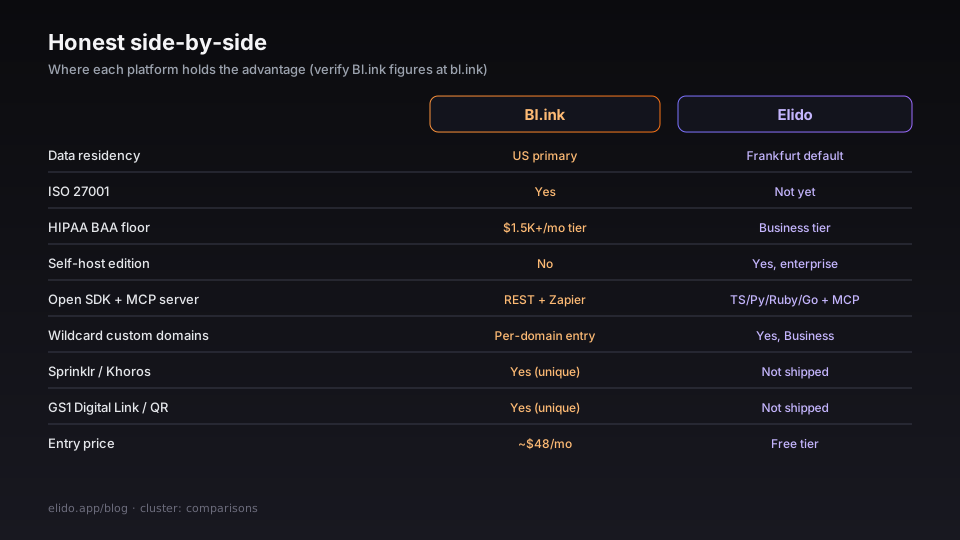
Чесне порівняння
| Вимір | Bl.ink | Elido |
|---|---|---|
| Резидентність даних | Основна інфраструктура в США; передача даних до ЄС на основі SCC | регіон ЄС за замовчуванням; прив'язка до ЄС на рівні робочого простору |
| HIPAA BAA | Так (тариф Enterprise, від $1.5 тис./місяць) | Так (Business/Enterprise; нижчий поріг входу) |
| SOC 2 Type II | Так | Так |
| ISO 27001 | Так | Наразі не сертифіковано |
| SSO (SAML/OIDC) | Так | Так, план Business |
| SCIM provisioning | Публічно не задокументовано | Так, Business+ |
| Журнал аудиту (Audit log) | Так | Так, Business+ |
| Власні домени / автоматичний TLS | Так | Так; wildcard на Business; автоматичний TLS на вимогу |
| Пікселі ретаргетингу | Обмежено (перевірте поточний тариф) | Так |
| Геотаргетинг | Так | Так |
| Таргетинг за пристроями | Так | Так |
| Ротація посилань | Обмежено (перевірте поточний тариф) | Так |
| A/B тестування | Обмежено (перевірте поточний тариф) | Так |
| GS1 Digital Link / QR-мікросайти | Так (унікально) | Не реалізовано |
| Self-host | Ні | Так, корпоративне видання з SLA |
| Відкритий SDK (TS/Python/Ruby/Go) | Не опубліковано | Так |
| Сервер MCP | Не опубліковано | Так (open source, MIT) |
| Початкова ціна | ~$48/місяць (Build) | Безкоштовний тариф; платні плани з нижчим порогом |
| Інтеграція з Khoros / Sprinklr | Так | Не реалізовано |
| 301 проти 307 для посилання | Так | Поведінка за замовчуванням; вибір для кожного посилання не задокументований |
Дані матриці функцій Bl.ink отримані під час конкурентного огляду у квітні 2026 року. Пікселі ретаргетингу, A/B тестування та ротація посилань позначені як обмежені (⚠️) у внутрішній матриці - перевірте доступність на тарифах у Bl.ink перед тим, як покладатися на них у офіційній оцінці.
Сценарій 1: коли Bl.ink - це правильний вибір
Маркетинговий відділ системи охорони здоров'я зі США проводить кампанії з просвіти пацієнтів у друкованих та цифрових форматах. Вони використовують Sprinklr для публікації в корпоративних соціальних мережах. Їхній відділ закупівель має обов'язковий перевірочний список сертифікацій постачальників, який включає HIPAA BAA та SOC 2 Type II як жорсткі вимоги. У них немає вимог щодо резидентності даних у ЄС. Директор з маркетингу використовує Bl.ink уже три роки, і сервіс уже в списку схвалених постачальників.
У цьому сценарії Bl.ink є правильним вибором. Вимоги до сертифікації виконуються без додаткових переговорів. Інтеграція зі Sprinklr перевірена часом. Підтримка GS1 Digital Link корисна для їхньої програми QR-кодів на фізичних рекламних матеріалах. Перехід на Elido вимагатиме нового циклу перевірки закупівлями, розробки інтеграції зі Sprinklr та розмови про сертифікацію - жодна з цих дій не дасть кращого результату для цього покупця.
Сценарій 2: коли Elido - це правильний вибір
Фірма з надання фінансових послуг зі штаб-квартирою в Німеччині проводить цифровий маркетинг на трьох європейських ринках. Їхня політика ІТ-безпеки вимагає SAML SSO для всіх SaaS-інструментів та контрактного пункту про резидентність даних для будь-якого постачальника, який обробляє персональні дані (що включає IP-адреси в подіях кліків згідно з Пунктом 30 GDPR). Їхній річний бюджет на інфраструктуру посилань є помірним, і вони мають власну інженерну команду для використання API та SDK замість інтеграцій no-code. Вони оцінюють скорочувачі, щоб замінити застаріле рішення Bitly.
У цьому сценарії Elido є правильним вибором. Основна інфраструктура Bl.ink у США запускає вимогу щодо TIA в перевірочному списку закупівель, що додає тижні до циклу перевірки без гарантії результату. Розміщення Elido у регіоні ЄС за замовчуванням, попередньо підписаний DPA за Статтею 28 та список із п'яти субпроцесорів дозволяють пройти пункт про резидентність даних без індивідуальних переговорів. SSO включено в план Business. Go SDK та CLI відповідають існуючому набору інструментів інженерної команди. Сторінка з цінами дає відділу закупівель опубліковану цифру для затвердження бюджету перед початком розмови з постачальником.
Міграція з Bl.ink
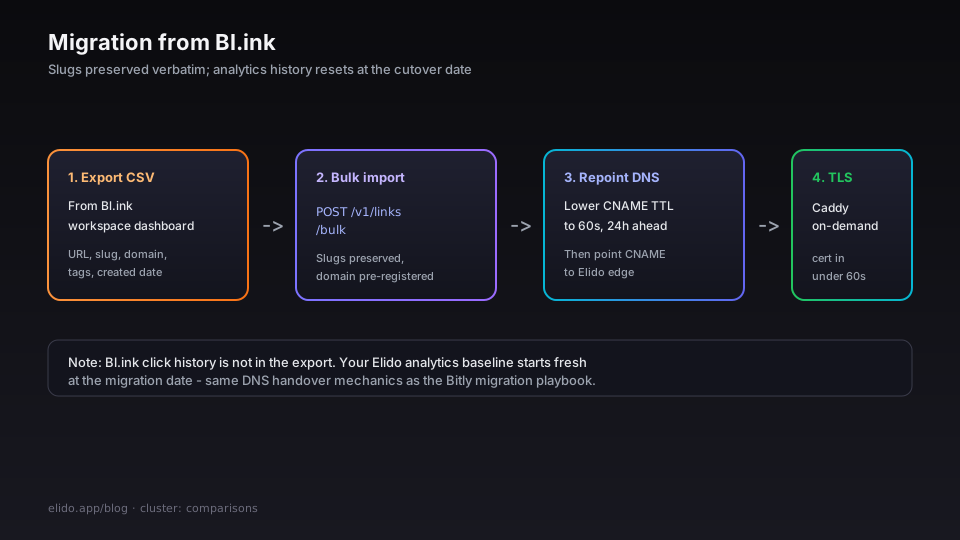
Формат експорту Bl.ink - це CSV з панелі керування робочим простором. Кожен рядок містить скорочений URL, цільовий URL, домен, слаг, теги та дату створення. Історія кліків не включається в експорт.
Шлях міграції повторює механіку міграції будь-якого скорочувача з брендованими доменами. Попередньо зареєструйте свій власний домен Bl.ink у робочому просторі Elido, потім запустіть масовий імпорт за допомогою ендпоінта /v1/links/bulk - слаги зберігаються дослівно, тому всі існуючі короткі URL-адреси продовжують працювати після перенаправлення DNS. Знизьте TTL для CNAME до 60 секунд принаймні за 24 години до перемикання, потім перенаправте на edge-вузол Elido. Автоматичний TLS на вимогу створить сертифікат менш ніж за 60 секунд після першого запиту після поширення DNS.
Історія аналітики з Bl.ink не імпортується - ваші показники аналітики обнуляються в день міграції. Сторінка функції власних доменів детально описує механіку DNS та TLS. Для повної процедури міграції Bitly migration playbook описує ту саму механіку передачі DNS; процес ідентичний для домену Bl.ink.
Що стає вирішальним фактором
Три змінні визначають, яка платформа підходить конкретному покупцеві.
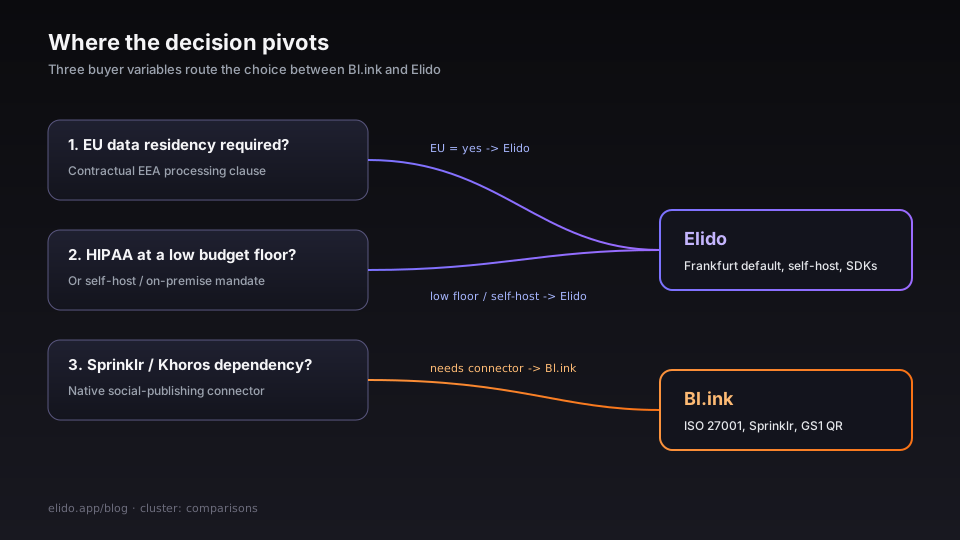
Перша - резидентність даних у ЄС. Якщо ваш перевірочний список закупівель вимагає, щоб персональні дані залишалися в ЄЄЗ за контрактом, інфраструктура Bl.ink у США вимагає TIA та, ймовірно, індивідуальних умов DPA. Elido з розміщенням у регіоні ЄС за замовчуванням вирішує це без переговорів. Для покупців без вимог до резидентності цей вимір не має значення.
Друга - тарифний план відносно вимог до сертифікації. Якщо HIPAA є жорсткою вимогою, а бюджет у $1,500+/місяць для корпоративного сегменту є прийнятним, Bl.ink - це надійне рішення з повним стеком сертифікацій. Якщо ту саму вимогу HIPAA потрібно виконати з нижчим порогом бюджету, HIPAA BAA від Elido на рівнях Business та Enterprise є альтернативою - без ISO 27001, але з можливістю self-host як структурною опцією для організацій, які взагалі не можуть використовувати SaaS.
Третя - залежність від Sprinklr або Khoros. Якщо ваш робочий процес публікації в соцмережах проходить через одну з цих платформ і вам потрібне нативне створення брендованих посилань всередині цього процесу, Bl.ink має інтеграцію, а Elido - ні. Це реальне операційне обмеження, а не просто порівняння функцій.
Bl.ink - це зрілий, насичений комплаєнсом продукт зі специфічними перевагами, які виправдовують його ціну для відповідного покупця. Elido - це відповідь, коли резидентність у ЄС, self-host, інструменти для розробників або доступність ціни є вирішальними факторами. Жоден із них не є універсально правильним.
Для повного розподілу цін за тарифами див. /en/pricing. Для паттернів розгортання в агенціях та для кількох брендів сторінка /en/solutions/agencies описує деталі wildcard доменів та ієрархії робочих просторів.
Схоже у блозі
Спробуйте Elido
Вставте URL - отримайте коротке посилання
Без реєстрації. Посилання живе 30 днів. Зареєструйтесь, щоб зберегти назавжди.
Безкоштовно, без реєстрації · 2 на день