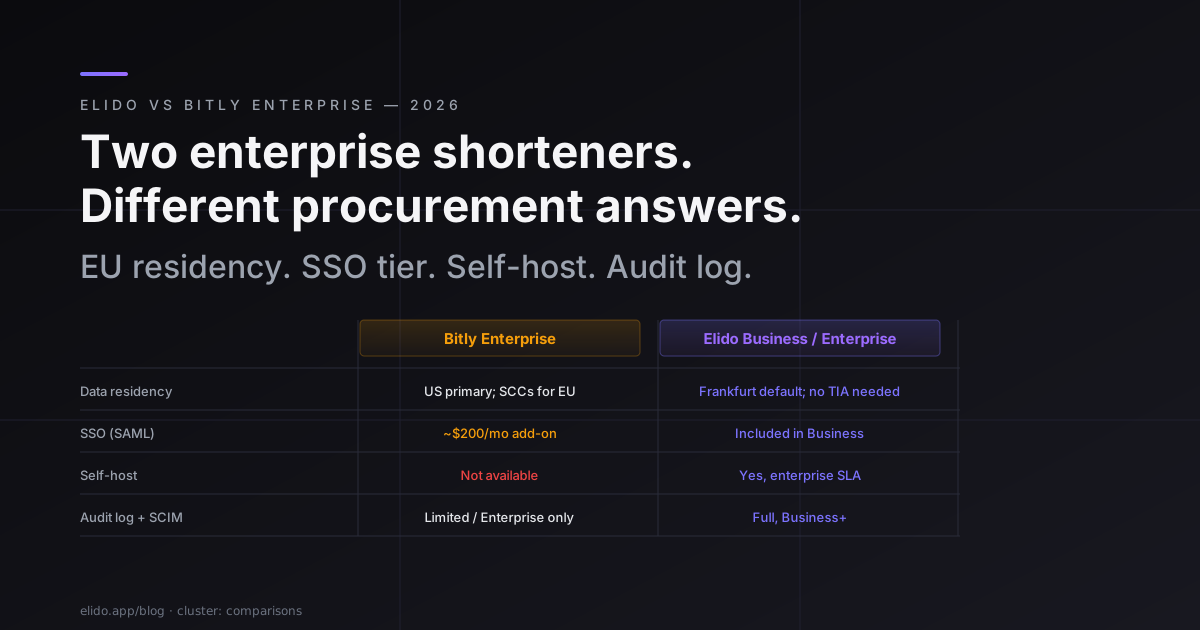
Bitly Enterprise є домінуючим сервісом скорочення посилань у маркетинговому стеку Fortune-500 не просто так. Він інтегрований у Salesforce Marketing Cloud та Adobe Experience Manager нативно, він був відповіддю на питання "який сервіс скорочення посилань ми використовуємо?" у великих організаціях США протягом десятиліття, і він проходить перевірку закупівель у більшості американських компаній без опору. Впізнаваність вендора - це реальний важіль впливу, і цей допис не буде вдавати зворотне.
Що змінилося, так це набір питань, які команда закупівель або віце-президент з маркетингу ставлять у 2026 році. Вимоги щодо резидентності даних в ЄС більше не є другорядною проблемою - вони з'являються у стандартних чеклистах закупівель у європейських організаціях, підрядників державного сектору та будь-якої компанії зі значним впливом німецького, французького чи нідерландського регуляторного середовища. SSO через SAML став стандартною ІТ-передумовою, а не корпоративним додатком. І категорія покупців - govtech, регульований fintech, компанії з on-premise інфраструктурою - сформувала жорстку вимогу до незалежності від вендора, яку SaaS-модель Bitly структурно не може задовольнити.
Цей пост структурує рішення про покупку для читача, який вже розбирається в сервісах скорочення URL-адрес і має зробити обґрунтований вибір на етапі вибору постачальника.
Усі цифри Bitly взяті з bitly.com/pages/pricing, доступ станом на 2026-05-06. Перевірте актуальну сторінку перед поданням будь-яких цифр до відділу закупівель - ціноутворення Bitly змінювалося принаймні один раз за останні 12 місяців.
Для кого створено Bitly Enterprise
Enterprise-напрямок Bitly калібрований для великих маркетингових організацій зі штаб-квартирами в США та налагодженими процесами закупівель. Сильні сторони є конкретними та реальними.
Глибина інтеграції з маркетинговими стеками США. Bitly пропонує нативні інтеграції з Salesforce, HubSpot, Slack та Adobe Experience Manager. Для організації, чиї маркетингові операції вже працюють на цих платформах, посилання Bitly - це спосіб відстежувати ефективність кампаній від початку до кінця без створення власної інтеграції. Конектор Zapier та пакет Salesforce пройшли перевірку часом у виробництві; це не інтеграції рівня бета-версії.
Впізнаваність бренду в циклах закупівель. Коли маркетингова команда Fortune-500 подає запит на постачальника, "Bitly" проходить перевірку закупівель швидше, ніж невідоме ім'я. Команди безпеки вже мають готові оцінки. Юридичні команди переглянули DPA. Для організацій, які цінують швидкість закупівель вище за незначні відмінності у функціях, це легітимний аргумент на користь того, щоб залишитися.
Встановлена модель Branded Short Units у великих масштабах. Модель ціноутворення Bitly на основі BSU (де кожне посилання, QR-код або смарт-посилання є однією одиницею BSU, що враховується в місячному ліміті) є передбачуваною для організацій, які створюють стабільну кількість високонавантажених посилань. Бренд, який створює 200 посилань на кампанію за квартал і отримує через них мільйони кліків, платить фіксовану ціну; модель ефективна для такого профілю.
Зрілість мобільних додатків та розширень для браузерів. Додатки Bitly для iOS та Android мають високу якість і широко використовуються маркетинговими командами, яким потрібно скорочувати посилання поза десктопним робочим процесом. Браузерне розширення має роки ітерацій за плечима.
Де Elido перемагає в enterprise-оцінці
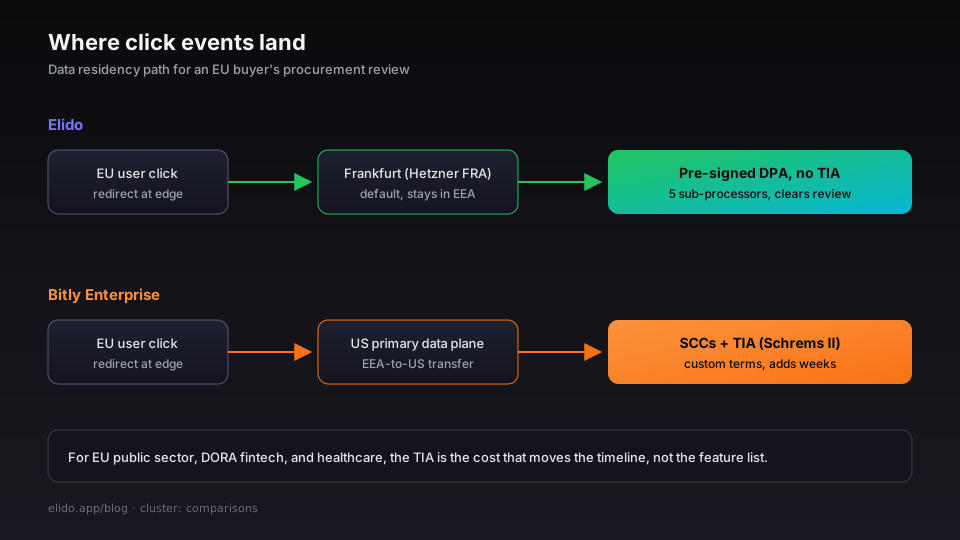
Резидентність даних в ЄС за замовчуванням. Інфраструктура Elido розташована переважно у регіоні ЄС, з периферійним вузлом в Азійсько-Тихоокеанському регіоні. Події кліків за замовчуванням не залишають межі EEA. Клієнти плану Business можуть закріпити дані за US East або Азійсько-Тихоокеанський регіон, але регіон ЄС є типовим варіантом, а не опціональним. Список субпроцесорів складається з п'яти вендорів, опублікований на сторінці довіри. DPA постачається із заздалегідь підписаними зобов'язаннями за Статтею 28 у стандартному контракті з клієнтом.
Основна площина даних Bitly базується в США. Їх DPA підтримує Standard Contractual Clauses для передачі даних з EEA до США, але передача на основі SCC до США все ще вимагає Transfer Impact Assessment згідно з фреймворком Schrems II для покупців у регульованих галузях. Для державного сектору ЄС, fintech під регулюванням DORA та організацій охорони здоров'я цей TIA додає тижні до циклу закупівель і часто потребує спеціальних умов контракту, які не включені в стандартний контракт Bitly.
SSO включено в Business, а не обмежено тарифом Enterprise. Станом на травень 2026 року публічна сторінка цін Bitly вказує логін через SSO як функцію лише для рівня Enterprise - ціна Enterprise є індивідуальною та вимагає розмови з відділом продажів. Раніше згадана доплата у розмірі $200 на місяць за SSO не підтверджена на поточній публічній сторінці цін; ця цифра була взята з попереднього конкурентного огляду і повинна вважатися неперевіреною. Elido пропонує SAML/OIDC SSO через WorkOS у плані Business за опублікованою ціною. Для маркетингової команди з 50 осіб, яка має ІТ-політику, що вимагає SSO для всіх SaaS-інструментів, саме лише розміщення SSO в тарифах суттєво змінює математику вибору вендора.
Опція Self-host. Bitly не має варіанту розгортання self-hosted. Для організацій у регульованих галузях - державних підрядників, лікарень, фінансових установ, - які забороняють використання сторонніх SaaS для інфраструктури посилань, Bitly структурно не підходить. Elido пропонує self-hosted enterprise edition з ліцензуванням SLA. Dub.co пропонує версію з відкритим кодом, але без пропозиції SLA рівня enterprise. Elido наразі є єдиним сервісом скорочення посилань, який закриває цю прогалину для покупця, якому потрібен регульований self-host. Дивіться /en/solutions/agencies для огляду розгортання.
Журнал аудиту та SCIM. Журнал аудиту Elido фіксує кожне створення, редагування, видалення посилання та дії учасників з міткою часу, ідентифікатором виконавця та станом до/після - доступно у плані Business і вище. SCIM-provisioning означає, що видалення користувача в Okta або Azure AD автоматично видаляє його з усіх робочих просторів Elido. Доступність журналу аудиту Bitly на рівні enterprise обмежена; SCIM не задокументовано публічно на жодній сторінці планів Bitly станом на огляд від 2026-05-06.
Відкритий SDK та інтеграція з MCP. Elido пропонує SDK для TypeScript, Python, Ruby та Go, що підтримуються відповідно до специфікації OpenAPI 3.1, а також сервер MCP з відкритим вихідним кодом (ліцензія MIT), який підключає Elido до Claude, Cursor та будь-якого клієнта ШІ, що підтримує MCP. Для інженерних команд, які вбудовують інфраструктуру посилань у внутрішні інструменти, CI-конвеєри або робочі процеси з використанням ШІ, це реальна перевага. Bitly запустив власний сервер MCP у квітні 2026 року, тож тут паритет ближчий, ніж був раніше, але охоплення SDK Elido та відкрита ліцензія сервера MCP залишаються диференціаторами.
Прозоре ціноутворення з опублікованою верхньою межею. Ціни на рівні Elido вказані на публічній сторінці цін. Enterprise є індивідуальним, але верхня межа плану Business опублікована. Ціни Bitly Enterprise повністю приховані та обговорюються індивідуально. Для команд закупівель, яким потрібна швидка внутрішня оцінка перед залученням вендора, непрозоре ціноутворення створює тертя.
Порівняння пліч-о-пліч
| Параметр | Bitly Enterprise | Elido Business / Enterprise |
|---|---|---|
| Резидентність даних | Основна в США; SCC для передачі в ЄС | регіон ЄС за замовчуванням; закріплення за ЄС для кожного робочого простору; TIA не потрібен |
| SSO (SAML/OIDC) | Тільки рівень Enterprise (індивідуальна ціна; публічна ціна на додаток не підтверджена) | Включено в план Business |
| SCIM-provisioning | Не задокументовано публічно на жодній сторінці плану | Так, Business+ |
| Журнал аудиту | Activity Log; рівень Enterprise | Повний, Business+ |
| Кастомні домени | Так, з TLS за запитом | Так; підтримка wildcard на Business; автоматичний TLS на вимогу |
| Брендований портал (white-label) | Ні | Так, Pro+ |
| Глибина аналітики | Географія, пристрій, ОС; заплановані звіти | На базі наше аналітичне сховище; зберігання сирих подій 13 місяців; передача конверсій у Meta CAPI, GA4, Mixpanel |
| Мінімальна ціна для SSO | Enterprise (індивідуально; немає опублікованого порогу ціни) | План Business; дивіться сторінку цін |
| Self-host | Ні | Так, enterprise self-host з SLA |
| Нативний Salesforce / Adobe | Так (нативні конектори) | API + Zapier; нативний конектор Salesforce ще не випущений |
| Сервер MCP | Так (запущено у квітні 2026) | Так (відкритий код, MIT) |
| Охоплення SDK | REST API, обмежена кількість офіційних SDK | TypeScript, Python, Ruby, Go; специфікація OpenAPI 3.1 |
| Мобільний додаток | iOS + Android (зрілий) | iOS + Android (Фаза 11, 2026) |
Цифри ціноутворення Bitly взяті з bitly.com/pages/pricing (2026-05-06). Перевірте перед поданням у відділ закупівель.
Коли Bitly Enterprise є правильним вибором
Обирайте Bitly Enterprise, якщо наступні умови описують вашу організацію.
Ваш маркетинговий стек глибоко інтегрований із Salesforce Marketing Cloud або Adobe Experience Manager. Нативні конектори є найсильнішим аргументом на користь Bitly. Якщо ваша автоматизація маркетингу працює через SFMC і створення посилань на кампанію вбудовано в цей робочий процес, спеціальна інтеграція Elido API - це реальна інженерна робота. API Elido на папері потужніший, але "потужніший" корисний лише тоді, коли у вас є ресурси для його впровадження. Якщо ні, нативний конектор Bitly вартий своєї ціни.
Ви - організація зі штаб-квартирою в США без вимог до резидентності даних в ЄС. Позиція Bitly щодо резидентності даних не є проблемою, якщо ваша команда закупівель про це не запитує. Для організацій, що працюють лише в США і не мають значного впливу даних ЄС, аргумент щодо резидентності на користь Elido є нерелевантним. Обирайте за функціями та відповідністю інтеграцій.
Впізнаваність бренду в закупівлях є жорстким обмеженням. Деякі корпоративні процеси закупівель вимагають, щоб вендор був у попередньо схваленому списку. Якщо Bitly є в цьому списку, а Elido - ні, це реальне операційне обмеження, а не порівняння функцій.
Ваш профіль посилань - це невеликий стабільний набір високонавантажених посилань. Модель BSU від Bitly є ефективною, коли ваша команда створює 100-300 посилань на квартал і отримує через них високий сукупний обсяг кліків. При такому темпі створення посилань ліміти BSU не є перешкодою. Для зворотного профілю - багато короткочасних посилань на кампанії - білінг за клік від Elido є більш передбачуваною моделлю, як описано в порівнянні на основі ціни.
Коли Elido є правильним вибором
Ваш покупець має вимогу до резидентності даних в ЄС у чеклисті закупівель. Це найчіткіший сигнал для прийняття рішення. Якщо вашій юридичній команді знадобиться Transfer Impact Assessment для субпроцесора, що базується в США, Bitly додасть тижні до циклу закупівель і може не пройти перевірку. Базова інфраструктура Elido, попередньо підписаний DPA та короткий список субпроцесорів розроблені для того, щоб проходити перевірки закупівель в ЄС без індивідуальних переговорів.
Ваша ІТ-політика вимагає SSO для всіх SaaS-інструментів, а ваш бюджет не на рівні enterprise. Якщо ви організація на 20-100 осіб з вимогою ІТ-безпеки до SAML SSO, але без бюджету Fortune-500, обмеження SSO в Bitly лише в їхньому індивідуальному плані Enterprise робить його недоступним для більшості SMB. Elido включає SSO в рівень плану Business за опублікованою ціною.
Ви працюєте в регульованій галузі, яка вимагає self-hosted розгортання. Державні підрядники, організації охорони здоров'я під HIPAA та фінансові установи з політикою суверенітету даних не можуть використовувати Bitly. Elido enterprise self-host edition - це єдиний варіант на ринку, який поєднує повний набір функцій з розгортанням on-premise та підтримкою SLA.
Вашій інженерній команді потрібна програмна інфраструктура посилань. Якщо створення посилань запускається з CI-конвеєрів, внутрішніх інструментів або ШІ-помічників, SDK для Go, сервер MCP та CLI від Elido - це готові до роботи інструменти. Інтеграція з MCP означає, що інженер з маркетингу, використовуючи Claude або Cursor, може запитувати статистику посилань, створювати посилання на кампанії та керувати робочими просторами, не залишаючи свого робочого процесу в ШІ.
Ви хочете бачити опубліковану верхню межу ціни перед початком переговорів. Рівень Elido Business вказаний на сторінці цін. Якщо ваш внутрішній процес затвердження вимагає комерційну пропозицію з конкретною цифрою до того, як ви зможете залучити вендора, початок роботи з Elido усуває це тертя на ранніх етапах.
Міграційні міркування
Якщо ви переходите з Bitly на Elido, механіка детально описана в посібнику з міграції. Коротка версія: експорт Bitly (CSV з дашборду або через API) включає слаги (slugs), цільові URL-адреси, дати створення та теги. Ендпоінт масового імпорту Elido /v1/links/bulk приймає оригінальні слаги дослівно, зберігаючи ваші існуючі короткі URL-адреси, доки ви перенаправляєте CNAME на вашому брендованому домені на edge-вузол Elido перед запуском імпорту.
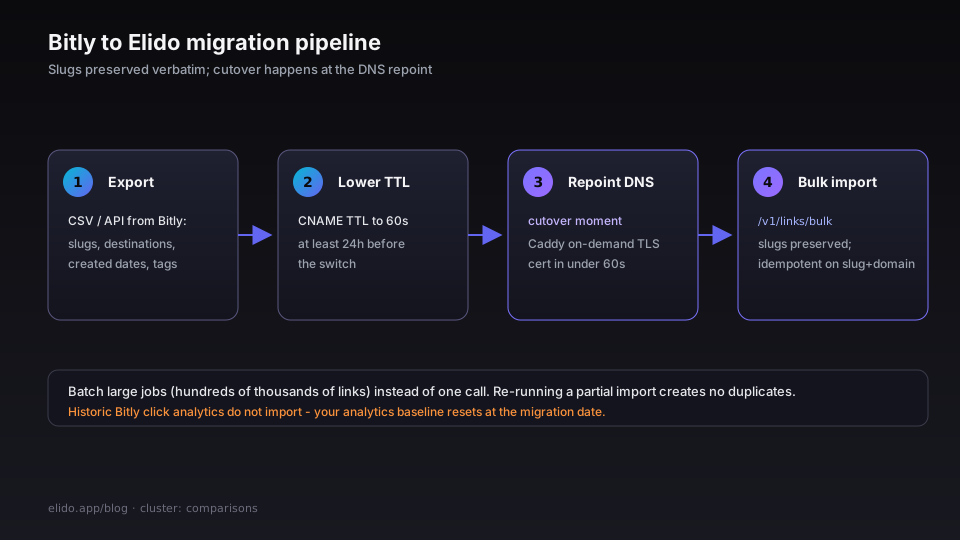
Перенаправлення DNS - це момент перемикання. Знизьте TTL запису CNAME вашого брендованого домену до 60 секунд принаймні за 24 години до перемикання. наш edge TLS від Elido за запитом надає сертифікат менш ніж за 60 секунд за першим запитом після розповсюдження DNS. Історична аналітика кліків з Bitly не імпортується - ваша базова лінія аналітики скидається на дату міграції.
Для великих розгортань, що передбачають міграцію сотень тисяч посилань, плануйте пакетний імпорт, а не один масовий виклик. Ендпоінт є ідемпотентним за паром слаг плюс домен, тому повторний запуск частково завершеного імпорту не створює дублікатів.
Де рішення насправді фокусується
Дві умови визначають результат більшості enterprise-оцінок.
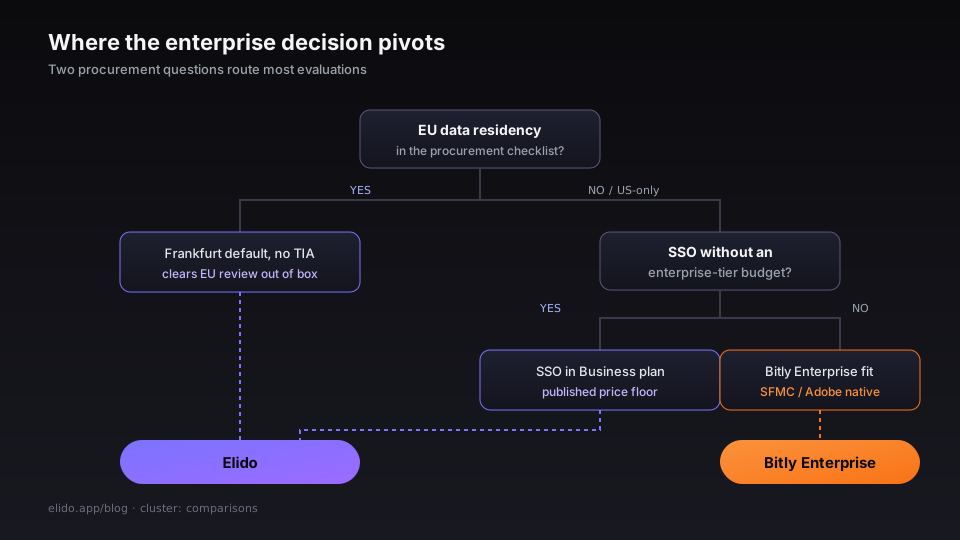
Перша - це резидентність даних в ЄС. Якщо у вашому чеклисті закупівель є пункт про договірну резидентність даних, Bitly вимагає обговорення TIA та індивідуальних умов контракту. Elido проходить цей бар'єр "з коробки". Якщо ваша організація не має вимог щодо резидентності, весь цей розділ не має значення для вашого рішення.
Друга - це ціновий рівень SSO. SAML SSO зараз є стандартною політикою ІТ-безпеки для будь-якої організації, що використовує SaaS у масштабах компанії. Питання полягає в тому, яка платформа пропонує SSO за ціною, що відповідає розміру вашої команди. Bitly обмежує SSO своїм планом Enterprise (індивідуальне ціноутворення, через відділ продажів), що фактично вимагає бюджету рівня Fortune-500; розміщення Elido в рівні Business змінює коло доступних покупців.
Bitly Enterprise - це зрілий, добре інтегрований продукт із реальними перевагами для маркетингових стеків підприємств США. Це не правильна відповідь для покупців з ЄС, для команд, яким потрібен self-hosting, або для організацій, які хочуть SSO без бюджету рівня enterprise. Elido створений саме для таких обмежень, і є слабшою відповіддю для команд, яким сьогодні потрібна глибока нативна інтеграція з Salesforce або Adobe.
Дивіться /en/pricing для поточних цифр тарифів Elido та /en/solutions/agencies для огляду розгортання та white-label.
Репозиціонування Bitly у 2026 році та рівень AI
Bitly провела початок 2026 року, репозиціонувавшись як "embedded connection layer", і випустила Bitly Assist - AI-чат над даними про кліки. Для enterprise-оцінки саме функцію AI варто перевірити: де Bitly Assist обробляє дані про кліки в EU, і чи фігурує це в DPA та списку субпроцесорів. Платформа залишається базованою в US, тому пункти щодо резидентності та закупівель, описані вище, досі визначають рішення.
Більше в блозі
- SCIM та SSO для маркетингових інструментів: про що насправді запитує корпоративне ІТ
- Резидентність даних в ЄС для маркетингових інструментів: про що насправді запитує ваш DPO
- Schrems II та пікселі відстеження: де вас залишає DPF у 2026 році
- Self-hosting Elido на k3s - повний посібник
- Bitly Assist AI: що він робить з вашими даними про кліки
Спробуйте Elido
Вставте URL - отримайте коротке посилання
Без реєстрації. Посилання живе 30 днів. Зареєструйтесь, щоб зберегти назавжди.
Безкоштовно, без реєстрації · 2 на день