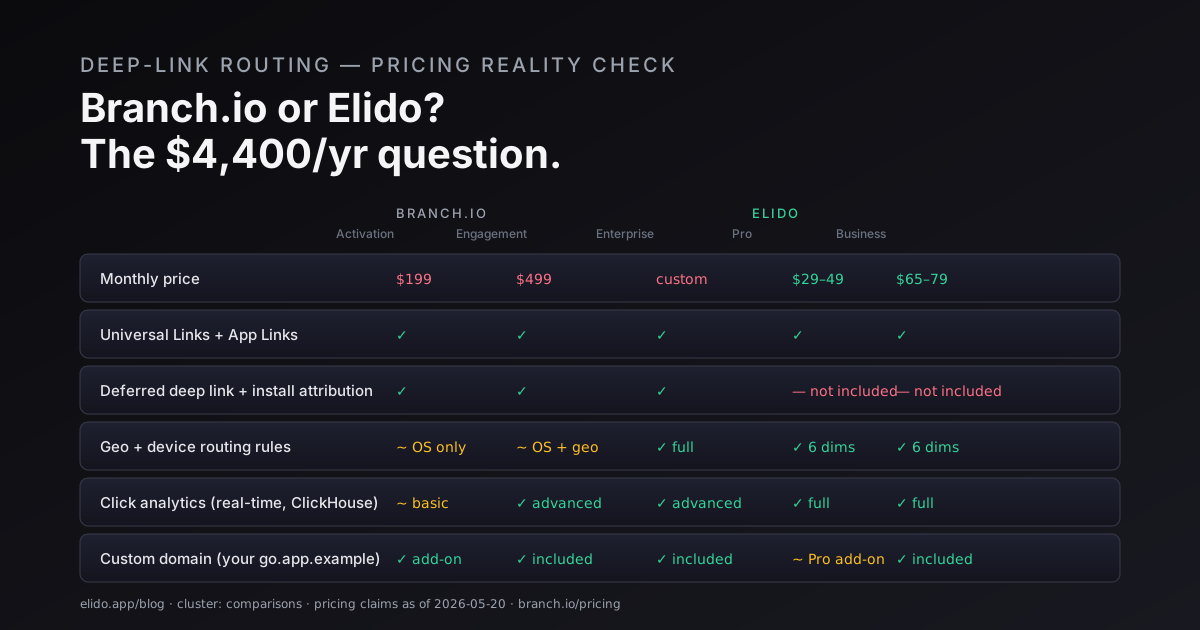
Branch.io - отраслевой стандарт для мобильного deep-link. Airbnb использует его. Pinterest использует его. Тысячи приложений используют его. Публичное ценообразование Branch начинается с $199/месяц на тарифе Activation и поднимается до $499/месяц на Engagement. Enterprise - это отдельный разговор об индивидуальном контракте.
Для большинства приложений, мигрирующих с Firebase Dynamic Links, - отключённого 2025-08-25, - это скачок от «бесплатно» в десять-пятьдесят раз. Firebase Dynamic Links ничего не стоил. Входной тариф Branch - $199/месяц. Пять приложений на тарифе Engagement: от $2400 до $6000 в год ещё до написания первой строки кода.
Branch действительно необходим в определённых сценариях. Эта статья честно описывает, что это за сценарии, что именно оплачивается ценой, и где Elido покрывает те же паттерны маршрутизации за долю стоимости. Если вы в колонке «нужен Branch» - это сэкономит вам время. Если в колонке «Branch не нужен» - сэкономит деньги.
Все цифры Branch взяты с публичной страницы ценообразования Branch по состоянию на май 2026 года. Проверяйте актуальность перед цитированием.
TL;DR
- Тариф Branch Activation за $199/месяц покрывает настройку Universal Link / App Link, базовый отложенный deep-link и атрибуцию установок на уровне SDK. В него не входят расширенные интеграции MMP, мультиканальная атрибуция и предиктивная аналитика.
- Тариф Branch Engagement за $499/месяц добавляет ретаргетинг, Journeys (баннеры web-to-app) и расширенную аналитику. На нём оказывается большинство production-приложений.
- Если вам нужна атрибуция установок - «какое объявление вызвало эту установку?» - Branch является правильным инструментом. Elido атрибуцией установок не занимается.
- Если вам нужны Universal Links и App Links для маршрутизации аутентифицированных пользователей на нужный экран приложения после клика, Elido покрывает это через правила deep-link маршрутизации на кастомном домене. Цена: входит в тариф Pro и выше.
- Для приложения с 100K MAU без потребности в атрибуции установок годовая разница в стоимости между Branch Engagement и Elido Business составляет примерно $4400-$5400.
За что на самом деле берёт деньги Branch.io
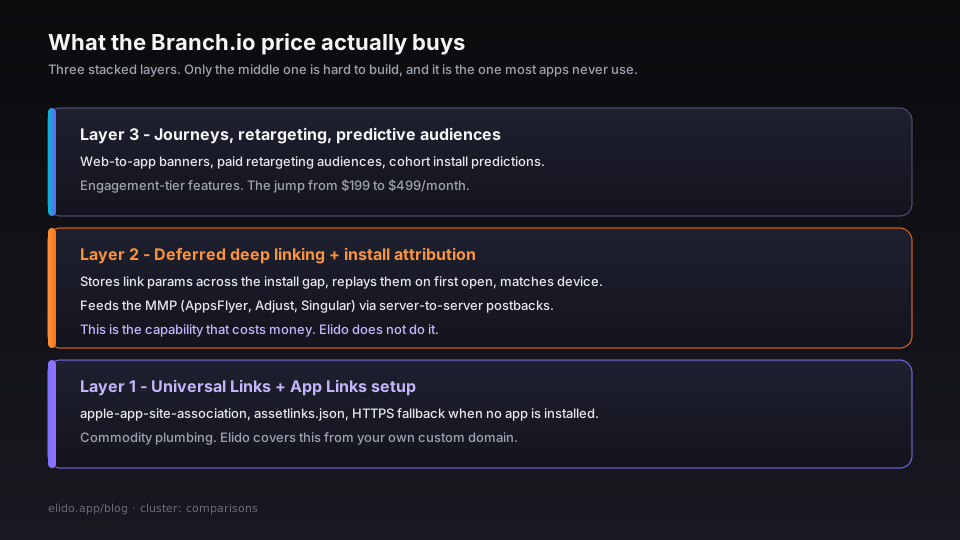
Ценообразование Branch лучше понять, разобравшись в том, что платформа реально делает под капотом. Три слоя.
Слой 1: настройка Universal Links и App Links. Это сантехника - файл Apple Associated Domains, Android Digital Asset Links JSON, HTTPS-страница фолбэка при отсутствии установленного приложения. Это делает каждая платформа deep-link. Firebase Dynamic Links делал это бесплатно. Branch делает это лучше (надёжнее обрабатывает крайние случаи, явная поддержка маршрутизации iOS 16+), но сама по себе возможность является товарной.
Слой 2: отложенный deep-link с атрибуцией установок. Именно это принесло Branch репутацию. Когда пользователь нажимает на ссылку Branch, но приложение не установлено, Branch записывает исходные параметры ссылки, перенаправляет в App Store или Play Store и после завершения установки SDK «откладывает» маршрутизацию, воспроизводя эти параметры при первом открытии. Атрибуция отслеживается: Branch знает, какая кампания, рекламная сеть или контент вызвали установку. Это поступает в ваш MMP (AppsFlyer, Adjust, Singular) через серверные постбэки. Именно эта возможность стоит денег, поскольку требует инфраструктуры Branch для обработки отпечатка устройства или сопоставления ID устройств, хранения ожидающих параметров и их правильного воспроизведения через окно установки.
Слой 3: Journeys, ретаргетинг, предиктивные аудитории. Баннеры web-to-app (Journeys), платные ретаргетинговые аудитории на основе данных кликов по ссылкам Branch и прогнозы установок на уровне когорт. Это функции тарифа Engagement, оправдывающие переход с $199 на $499.
$199/месяц - это не «заплати за Universal Link». Это оплата инфраструктуры атрибуции установок. Если эта инфраструктура вам не нужна, вы платите $199/месяц за товарную сантехнику.
Что покрывает Elido в той же нише
Elido не является заменой Branch. Он покрывает более узкий набор сценариев - без накладных расходов на атрибуцию установок.
Universal Links и App Links через кастомный домен. Функция deep-link маршрутизации Elido генерирует и отдаёт требуемый файл apple-app-site-association и файл assetlinks.json с вашего кастомного домена коротких ссылок. Вы один раз настраиваете bundle ID и team ID приложения в workspace. Платформа берёт на себя TLS, CDN-кеширование well-known файлов и HTTPS-фолбэк при отсутствии установленного приложения. Страница функции deep links подробно описывает механику настройки.
Гео и маршрутизация по устройствам в одной ссылке. Elido оценивает шесть параметров маршрутизации на edge при каждом редиректе: ОС устройства, тип устройства, страна, язык, реферер и время суток. Одна ссылка может направлять iOS-пользователей в App Store, Android-пользователей в Play Store, а пользователей десктопа на маркетинговую страницу - и всё это с одного короткого URL. Оценка правил выполняется на edge с p95 менее 15 мс. SDK на устройстве не требуется.
Аналитика кликов с разбивкой. Каждый редирект через Elido фиксирует полное событие клика: тип устройства, ОС, страна, город, реферер, браузер. Дашборды на базе нашего аналитического хранилища отображают разбивку в реальном времени. Для привлекательных кампаний, где вы контролируете upstream UTM и не нуждаетесь в постустановочной атрибуции, этого достаточно для анализа ROI кампании.
Кастомный домен для хостинга файлов deep-link. Если домен Universal Links вашего приложения - go.yourapp.example, Elido берёт на себя автоматический TLS по запросу и отдаёт well-known файлы с этого домена. Дополнительная инфраструктура на вашей стороне не нужна. Это входит в тариф Business.
Чего Elido не делает: отложенный deep-link после установки приложения, атрибуция по отпечатку устройства или IDFA, отслеживание установок на уровне SDK, форвардинг постбэков MMP и веб-приложение с баннерами в стиле Journeys. Если вам это нужно - Branch является правильным инструментом.
Матрица решений
Честная версия выглядит так.
Branch вам нужен если:
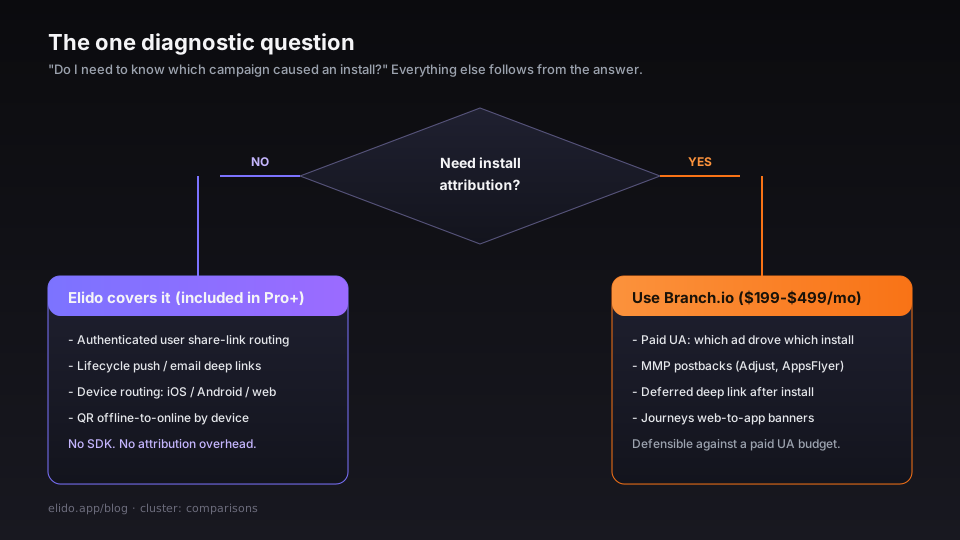
- Вы запускаете платное привлечение пользователей и вам нужно знать, какой рекламный креатив вызвал какую установку, на уровне события установки. Это основной сценарий Branch, и ни один лёгкий инструмент ему не соответствует.
- Вы используете MMP (AppsFlyer, Adjust, Singular, Kochava) и вам нужно, чтобы постбэк Branch-to-MMP корректно передавался. Интеграция зрелая и широко сертифицирована на стороне Branch.
- Вам нужен отложенный deep-link после установки - приложение должно открыться именно на том экране, на который была сделана ссылка, даже если пользователю сначала пришлось установить приложение.
- Вы запускаете web-to-app кампании с баннерами Journeys, смарт-баннерами или интерстициалами на хостинге Branch.
- В вашем приложении несколько команд использует данные ссылок, и вам нужны функции совместной работы и управления, которые входят в тариф Engagement или Enterprise.
Branch вам не нужен если:
- Ваш сценарий deep-link - маршрутизация аутентифицированных пользователей. Вошедший пользователь нажимает на ссылку «поделиться», и приложение открывается на нужном экране. Нет окна установки. Атрибуция не нужна. Elido с этим справляется.
- Вы отправляете транзакционные или lifecycle push/email ссылки, которые приводят аутентифицированных пользователей к конкретному экрану приложения. Приложение уже установлено; вам просто нужно, чтобы URL маршрутизировался правильно.
- Вам нужна маршрутизация по типу устройства для лендинга: iOS → App Store, Android → Play Store, десктоп → маркетинговая страница. Это правило маршрутизации, а не атрибуция.
- Вы создаёте QR-код для перехода из офлайна в онлайн, который маршрутизирует на нужное приложение или веб-ресурс в зависимости от устройства. Снова: маршрутизация, а не атрибуция.
- Firebase Dynamic Links покрывал ваши потребности последние три года, и вы никогда не смотрели на атрибуцию установок в дашборде. Если атрибуция установок не была частью вашего рабочего процесса, замена тоже необязательно должна быть Branch.
Диагностический вопрос: «Нужно ли мне знать, какая кампания вызвала установку?» Если да - Branch. Если нет, вы, скорее всего, платите за инфраструктуру, которую не используете.
Пример расчёта стоимости: приложение со 100K MAU
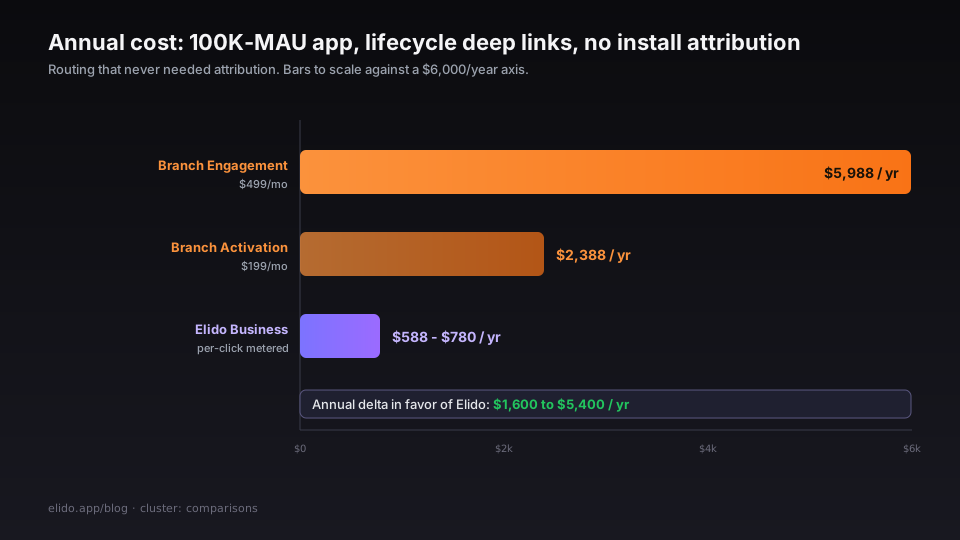
Конкретные цифры: мобильное приложение со 100 000 ежемесячно активных пользователей, запускающее lifecycle deep-link (push, email, in-app share), на кастомном домене, без платных кампаний привлечения с атрибуцией установок.
Тариф Branch Engagement: $499/месяц = $5988/год.
Вы на Engagement, а не на Activation, потому что вам нужен Journeys (баннеры web-to-app на маркетинговом сайте) и потому что аналитика тарифа Activation ограничена для всего, что выходит за рамки одного приложения. $499 - это нижняя граница; если ваш объём ссылок или расширенные требования к атрибуции выталкивают вас на индивидуальный тариф, цена согласовывается отдельно.
Тариф Branch Activation: $199/месяц = $2388/год.
Если вы можете оставаться на Activation - без Journeys, базовая аналитика, одно приложение - это входная цена. Всё равно $2388 в год за маршрутизацию, которая не требует атрибуции установок.
Тариф Elido Business с кастомным доменом и deep-link маршрутизацией: около $588-$780/год в зависимости от объёма кликов и конфигурации workspace.
Функция deep-link маршрутизации входит в тарифы Pro и выше. Кастомный домен (ваш go.yourapp.example, отдающий well-known файлы) - это функция тарифа Business. Для приложения со 100K MAU, отправляющего lifecycle-ссылки - примерно 200K-500K deep-link кликов в месяц, - вы попадаете в зону тарифа Business. Превышение кликов тарифицируется по счётчику, а не является жёстким ограничением.
Годовая разница: $1600-$5400 в год в пользу Elido для приложения, которому изначально не была нужна атрибуция установок.
Эта математика становится более выигрышной при наличии нескольких приложений. Ценообразование Branch ориентировано на аккаунт, а не на приложение, но по мере масштабирования workspace и роста объёмов ссылок тариф Engagement становится полом, а не потолком. Покликовый учёт Elido масштабируется предсказуемее для нескольких приложений в одном workspace.
Вопросы миграции
Если вы мигрируете с Firebase Dynamic Links и оцениваете оба варианта, путь миграции имеет значение.
Firebase Dynamic Links → Branch. У Branch есть руководство по миграции с FDL с обработкой совместимости на уровне SDK. Основная работа - интеграция Branch SDK в iOS и Android, обновление entitlement Associated Domains и тестирование поведения отложенного deep-link через окно установки. Рассчитывайте на одну-две недели инженерного времени для типичного приложения, и больше при сложной логике маршрутизации, встроенной в старые параметры FDL.
Firebase Dynamic Links → Elido. Объём работы меньше, поскольку не нужно интегрировать SDK. Вы указываете CNAME кастомного домена на Elido, настраиваете apple-app-site-association и assetlinks.json через интерфейс workspace и обновляете entitlement Associated Domains приложения для использования нового домена. Существующие ссылки, использующие домен page.link FDL, перестают работать с даты отключения FDL; ссылки через ваш собственный кастомный домен, которые Elido перенаправляет, продолжают работать, пока правила настроены. Отложенного deep-link после установки нет - если у вас были параметры FDL, которые вы читали из DynamicLinks.dynamicLinks().handleUniversalLink после установки, вам нужно реализовать это другим механизмом (обычно API-вызов при первом открытии к вашему собственному бэкенду, сохраняющему исходные параметры ссылки по устройству).
Подробнее о миграции с Firebase Dynamic Links - в руководстве по миграции с Firebase Dynamic Links.
Что нужно учитывать при любой миграции:
- Обновите apple-app-site-association с новым доменом сразу после того, как ссылки FDL перестанут резолвиться. Кеш AASA на CDN Apple может потребовать до 24 часов на распространение после того, как вы укажете домен на новый сервер.
- Если у вас была веб-страница фолбэка, использовавшая страницу предпросмотра FDL, вам нужно создать или захостить замену. Фолбэк Elido - это редирект на любой указанный вами URL; фолбэк Branch настраивается отдельно для каждой ссылки.
- Тестируйте на физических устройствах, а не на симуляторах. Маршрутизация Universal Link ведёт себя по-разному на реальном железе, и поведение симулятора не отражает того, что видят ваши пользователи.
Частые вопросы
Заменяет ли Elido Branch.io во всех сценариях deep-link?
Нет. Elido покрывает Universal Links, App Links, маршрутизацию по устройствам и аналитику кликов для приложений, в которых пользователь уже установил приложение (или где достаточно простого редиректа в App Store). Отложенный deep-link через окно установки, атрибуция установок и форвардинг постбэков MMP не входят. Если это ваши сценарии - Branch является правильным инструментом.
Можно ли использовать Elido для deep-link совместно с Branch для атрибуции установок?
Да. Некоторые команды используют Branch именно для кампаний привлечения новых пользователей (где важна атрибуция установок) и направляют все остальные deep-link ссылки - lifecycle email, push, in-app share - через Elido на кастомном домене. Домены разные, SDK присутствует только в атрибуционном пути, а аналитика кликов по lifecycle-ссылкам поступает из Elido. Такой гибрид встречается чаще, чем кажется. Ценообразование Branch оправдано для платного привлечения; для lifecycle-трафика его сложнее обосновать.
Что произошло с Firebase Dynamic Links и является ли Elido прямой заменой?
Firebase Dynamic Links был отключён 2025-08-25. Официальный путь миграции Google указывает либо на Branch, либо на самостоятельную настройку Universal Links / App Links. Elido относится ко второй категории - он автоматизирует хостинг well-known файлов и маршрутизацию ссылок, которые иначе пришлось бы управлять самостоятельно, добавляя аналитику кликов, правила гео/устройств и кастомный домен. Это прямая замена для команд, использовавших FDL для маршрутизации, но не для атрибуции установок.
Достаточен ли тариф Branch Activation за $199/месяц для небольшого приложения?
Зависит от того, нужен ли вам Journeys (баннеры web-to-app). Activation покрывает Universal Links, App Links, базовый отложенный deep-link и одно приложение. Если на вашем маркетинговом сайте есть CTA «Скачать приложение» и вы хотите смарт-баннер, определяющий наличие установленного приложения, - это функция Journeys на тарифе Engagement. Многие команды небольших приложений оказываются на Engagement не потому, что им нужна глубина аналитики, а потому что им нужен баннер. Если баннер - это ключевой критерий, оцените, является ли $300/месяц разницы правильным способом реализовать веб-приложение с баннером - есть более лёгкие варианты.
Как масштабируется ценообразование Branch для команд с несколькими приложениями?
Страница ценообразования Branch не публикует поплатежный тариф за приложение, но платформа ориентирована на аккаунт, а не на отдельное приложение. На практике команды с несколькими приложениями договариваются об индивидуальных тарифах или платят за Engagement, соглашаясь с тем, что аналитика общая. Если у вас три и более приложения с отдельным брендингом и доменами ссылок, модель workspace Elido (один workspace на приложение или бренд, покликовый учёт по группе workspace) масштабируется предсказуемее, чем путь индивидуальных переговоров о цене с Branch.
Что делать дальше
На странице функции deep links есть процесс настройки Universal Links и App Links в Elido - для приложения, уже настроенного для HTTPS, это займёт около пятнадцати минут. На странице ценообразования приведены актуальные тарифы по кликам; функция deep-link маршрутизации входит без дополнительной платы за ссылку.
Если вы находитесь на пути миграции с Firebase Dynamic Links, руководство по миграции описывает пошаговый процесс для iOS и Android, включая тайминг кеша AASA и паттерны обработки первого открытия, необходимые при чтении параметров FDL после установки.
Если вы оцениваете и Branch, и Elido, и решающий фактор - атрибуция установок, честный ответ таков: Branch является правильным инструментом для этого сценария, и стоимость $199-$499/месяц оправдана при бюджете на платное привлечение. Случаи, когда это не оправдано, - те, где вы платите за инфраструктуру атрибуции, которую не используете. Большинство приложений, мигрирующих с Firebase Dynamic Links, попадают именно в эту категорию.
По теме в блоге
Частые вопросы
Заменяет ли Elido Branch.io во всех сценариях deep-link?
Нет. Elido покрывает Universal Links, App Links, маршрутизацию по устройствам и аналитику кликов для приложений, в которых пользователь уже установил приложение, либо когда достаточно простого редиректа в App Store. Отложенный deep-link через окно установки, атрибуция установок и форвардинг постбэков MMP в Elido отсутствуют. Если это ваши сценарии - Branch является правильным инструментом.
Можно ли использовать Elido для deep-link совместно с Branch для атрибуции установок?
Да. Некоторые команды используют Branch именно для кампаний привлечения новых пользователей, где важна атрибуция установок, и направляют все остальные deep-link ссылки - lifecycle email, push, in-app share - через Elido на кастомном домене. Домены разные, SDK присутствует только в атрибуционном пути, а аналитика кликов по lifecycle-ссылкам поступает из Elido. Такой гибрид встречается чаще, чем кажется. Ценообразование Branch оправдано для платного привлечения; для lifecycle-трафика его сложнее обосновать.
Что произошло с Firebase Dynamic Links и является ли Elido прямой заменой?
Firebase Dynamic Links был отключён 2025-08-25. Официальный путь миграции Google указывает либо на Branch, либо на самостоятельную настройку Universal Links и App Links. Elido относится ко второй категории - он автоматизирует хостинг well-known файлов и маршрутизацию ссылок, которые иначе пришлось бы управлять самостоятельно, добавляя аналитику кликов, правила гео/устройств и кастомный домен. Это прямая замена для команд, использовавших FDL для маршрутизации, но не для атрибуции установок.
Достаточен ли тариф Branch Activation за $199/месяц для небольшого приложения?
Зависит от того, нужен ли вам Journeys - функция баннеров web-to-app. Activation покрывает Universal Links, App Links, базовый отложенный deep-link и одно приложение. Если на вашем маркетинговом сайте есть смарт-баннер, определяющий наличие установленного приложения, - это функция Journeys на тарифе Engagement. Многие команды небольших приложений оказываются на Engagement не потому, что им нужна глубина аналитики, а потому что им нужен баннер, который стоит на $300 в месяц больше, чем тариф Activation.
Как масштабируется ценообразование Branch для команд с несколькими приложениями?
Страница ценообразования Branch не публикует поплатежный тариф за приложение, но платформа ориентирована на аккаунт, а не на отдельное приложение. На практике команды с несколькими приложениями договариваются об индивидуальных тарифах или платят за Engagement, соглашаясь с тем, что аналитика общая. Если у вас три и более приложения с отдельным брендингом и доменами ссылок, модель workspace Elido - один workspace на приложение или бренд, покликовый учёт по группе workspace - масштабируется предсказуемее, чем путь индивидуальных переговоров о цене с Branch.
Попробуйте Elido
Вставьте URL - получите короткую ссылку
Без регистрации. Ссылка живёт 30 дней. Зарегистрируйтесь, чтобы оставить её навсегда.
Бесплатно, без регистрации · 2 в день