
La economía de creadores funciona con confianza y evidencia. Una marca te entrega un brief de campaña, publicas para tu audiencia, la gente hace clic y compra - y luego alguien de la marca te pide un informe que demuestre que tu publicación impulsó esas conversiones y no los anuncios de retargeting propios de la marca. Si no puedes producir esa evidencia en un formato que el equipo de finanzas de la marca acepte, no te pagan a la tarifa que negociaste.
Este es el trabajo-por-hacer que una capa de enlaces cortos realmente resuelve para los influencers. No "acortar el enlace". El trabajo real es: establecer una cadena inequívoca desde tu publicación específica hasta un evento de conversión específico, en un formato que sobreviva al proceso de auditoría de la marca. Según el Influencer Marketing Hub 2026 Benchmark Report (consultado el 2026-05-12), se proyecta que el gasto en marketing de influencers supere los $30B a nivel global, y las disputas de atribución entre creadores y marcas son uno de los principales puntos de fricción en la liquidación de campañas. Una capa de enlaces que produce registros de clics de calidad auditable no es algo opcional.
TL;DR
- Un dominio de marca (
go.creator.comvsbit.ly/xyz) eleva la tasa de clics y pasa los filtros de confianza de las plataformas - Instagram es cada vez más escéptico de los acortadores genéricos en los enlaces de bio. - Los slugs por publicación (
/ig-jul15,/yt-ep42) te dan contexto de plataforma y fecha codificado directamente en la URL, de modo que la analítica se agrupa sin etiquetado manual. - La cadena de atribución - clic en tu publicación, redirección de marca, página de aterrizaje de la marca, evento de conversión - fluye de regreso a tu dashboard para que puedas mostrar conteos de clics por slug por día, desglosados por plataforma de origen.
- Ese registro de clics es el registro de auditoría. Debe ser exportable como CSV, con marca de tiempo, y vinculado al slug, para que la marca pueda cruzarlo con sus propios datos de pedidos.
Los tres pilares
Todo setup de enlaces para influencers que valga la pena construir descansa sobre tres cosas trabajando juntas. Quita una sola de ellas y el sistema falla en un punto distinto.
Dominio de marca - la señal de confianza
Cuando pegas un enlace en la leyenda de Instagram, un dominio corto genérico se lee como de baja calidad o potencialmente inseguro. La detección de spam de Instagram y la intuición de amenaza de los propios usuarios marcan los enlaces bit.ly en cuentas desconocidas; la misma URL detrás de go.yourname.com se lee de manera diferente. El diferencial de confianza es real - la investigación agregada en los datos de benchmark del Influencer Marketing Hub (consultado el 2026-05-12) sitúa los enlaces de marca consistentemente por encima de los acortadores genéricos en métricas de confianza de la audiencia. Si toda tu presencia pasa por un único enlace en la bio de Instagram, cómo añadir más de un enlace a tu biografía de Instagram explica el límite nativo de cinco enlaces y la página que lo supera.
Un dominio de marca también blinda el enlace si cambias de proveedor de acortador. El slug vive en tu dominio; reapuntas el CNAME a un nuevo proveedor y todos los enlaces existentes siguen funcionando. Con un dominio genérico de acortador, un cambio de proveedor significa enlaces rotos por todos lados.
Para la mecánica de configuración de DNS y TLS, la página de la función de dominios personalizados explica el registro CNAME y el aprovisionamiento automático de certificados. La configuración toma menos de diez minutos; TLS se aprovisiona en la primera solicitud vía TLS automático bajo demanda.
Disciplina de slug por publicación - atribución sin etiquetado manual
El patrón de slug que funciona: corto, legible por humanos, codifica plataforma y fecha. go.creator.com/ig-jul15 significa Instagram, 15 de julio. go.creator.com/yt-ep42 significa YouTube, episodio 42. go.creator.com/tt-q3-collab significa TikTok, campaña de colaboración del Q3.
¿Por qué codificar esto en el slug en lugar de depender de parámetros UTM? Dos razones. Primero, los parámetros UTM son invisibles para los usuarios, pero los slugs son visibles - un humano leyendo el enlace puede entender de inmediato de qué publicación proviene. Segundo, la analítica a nivel de slug se agrupa limpiamente. Cuando sacas un informe que muestra 4,821 clics en /ig-jul15 y 1,204 en /yt-ep42, la comparación se explica sola. No necesitas escribir una explicación de qué significa utm_source=instagram&utm_campaign=q3-collab-jul15.
Puedes superponer parámetros UTM encima de esto - y deberías, para el stack analítico de la marca. Pero el slug es la clave primaria para tu propio reporte y para el registro de auditoría que entregas a la marca.
Crear slugs desde tu teléfono es un punto de fricción común. Una herramienta de enlaces para influencers bien construida ofrece la creación de slugs en un dashboard mobile-friendly con una plantilla predictiva, de modo que crear un nuevo enlace por publicación antes de publicar toma treinta segundos en lugar de cinco minutos copiando, acortando y probando.
Registro de auditoría - resolución de disputas de pago
Surge una disputa. La marca dice que 180 conversiones provinieron de tus publicaciones. Tú crees que son 312. La discrepancia podría ser una diferencia de ventana de atribución, último clic vs multi-touch, o la red publicitaria de la marca reclamando el crédito por conversiones que vinieron directamente de tu audiencia.
Lo que resuelve esto es el registro de clics. Específicamente: clics por slug por día, con marcas de tiempo y desglose por plataforma de origen, exportable como CSV en un formato que el equipo de finanzas de la marca pueda abrir en una hoja de cálculo sin llamarte para pedir ayuda.
El CSV debe contener: slug, marca de tiempo del clic (UTC), dominio de referencia, tipo de dispositivo, país. Eso es todo lo que necesitas. La marca puede cruzar las marcas de tiempo de los clics con las marcas de tiempo de sus pedidos para ver qué conversiones ocurrieron dentro de la ventana de atribución que acordaron. Si sus números y los tuyos aún no coinciden después de eso, la discrepancia está en el tracking de conversiones de la marca - no en el tuyo - y tienes la evidencia para decirlo.
Elido almacena eventos de clic en bruto en nuestro almacén de analítica sin muestreo. Cada clic en cada slug está en el almacén de datos, consultable por nombre de slug, rango de fechas, host de referencia y tipo de dispositivo. El endpoint de exportación devuelve CSV. Para el caso de uso de seguimiento de enlaces de afiliados este es el ancla operativa: el registro de clics es la verdad fundamental.
La cadena de atribución en detalle
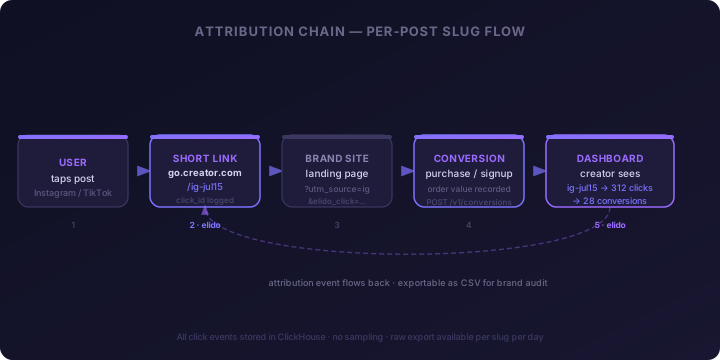
La cadena tiene cinco pasos. Un usuario ve tu publicación y toca el enlace. El enlace corto de marca dispara una redirección - sub-15ms p95 en cache hit en la región en el edge de Elido - y registra un evento de clic con un click_id único. La redirección lleva al usuario a la página de la marca con los parámetros UTM y el identificador elido_click añadidos a la URL. Cuando el usuario convierte (compra, se registra, envía un formulario), el evento de conversión de la marca regresa al sistema de enlaces vía una llamada POST /v1/conversions que lleva el click_id. Ese evento aparece en tu dashboard atribuido al slug específico - /ig-jul15, no "Instagram, en algún momento de julio".
El cornerstone de acortadores de URL para ecommerce cubre la mecánica de reenvío de conversiones en detalle, incluyendo cómo el click_id sobrevive a las restricciones de cookies del ITP de Safari. Para el caso de uso de influencers, la parte relevante es más simple: no necesitas cablear el reenvío de conversiones tú mismo. El desarrollador de la marca lo hace una vez a nivel de workspace. Después de eso, cada campaña que ejecutes con esa marca recibe los datos de conversión automáticamente.
Para más información sobre la capa de enrutamiento subyacente, smart links explicados cubre cómo la redirección procesa reglas condicionales en el edge.
Patrón de slug por publicación: ejemplos concretos
El patrón que recomiendo para la mayoría de los creadores:
- Prefijo de plataforma -
ig(Instagram),yt(YouTube),tt(TikTok),li(LinkedIn),tw(X/Twitter),pi(Pinterest) - Identificador de fecha o contenido -
jul15(fecha),ep42(número de episodio),q3(trimestre de campaña),collab-brandname(abreviatura de colaboración con marca)
Algunos ejemplos:
| Slug | Contexto |
|---|---|
go.creator.com/ig-jul15 | Publicación de Instagram, 15 de julio |
go.creator.com/yt-ep42 | Enlace en la descripción del episodio 42 de YouTube |
go.creator.com/tt-q3-acme | TikTok, colaboración Acme Q3 |
go.creator.com/ig-stories-jun | Instagram Stories, campaña de junio |
go.creator.com/li-thought-piece | Enlace a artículo de LinkedIn |
El slug es a la vez una ayuda de navegación y una etiqueta de reporte. Cuando sacas una exportación de 30 días, estos slugs se auto-documentan. No se necesita tabla de búsqueda.
Un patrón a evitar: no uses slugs numéricos secuenciales (/001, /002). Son más cortos pero opacos - pasarás tiempo cruzando con una hoja de cálculo separada para recordar qué número se asignó a qué publicación.
Página de bio más slugs por publicación: dos superficies, un sistema
La página de bio y los slugs por publicación resuelven trabajos distintos. La página de bio - cubierta en detalle en páginas de bio para creadores - maneja destinos perennes: tu newsletter, producto insignia, enlace de reservas. Son estables y rara vez cambian. El slug por publicación maneja contenido de campaña: la colaboración específica, la promo por tiempo limitado, el episodio que publicaste esta semana.
Las dos superficies funcionan mejor en el mismo sistema porque el stack de atribución es el mismo. Un clic en el enlace /start de tu página de bio y un clic en tu enlace específico de publicación /ig-jul15 viven ambos en el mismo almacén de analítica, llevan ambos la misma estructura de evento de clic, y alimentan ambos el mismo informe apto para pagos. Si usas una herramienta separada para tu página de bio (Linktree, Beacons) y un acortador separado para enlaces de publicaciones, tienes dos almacenes de eventos de clic que no se unen limpiamente. Consolidar a un único sistema significa una exportación CSV, un registro de auditoría, una conversación con el equipo de finanzas de la marca.
Lo que esto no es
Una plataforma de marketing de influencers - Aspire (consultado el 2026-05-12), Grin (consultado el 2026-05-12), o similar - gestiona la relación con la marca en sí: briefs de campaña, contratos, procesamiento de pagos, seguimiento de cumplimiento FTC y descubrimiento de creadores. Esas plataformas son la capa de workflow para el programa de influencers de la marca.
La capa de enlaces les alimenta datos limpios. Aspire y Grin aceptan ambos datos de clics y conversiones de fuentes externas vía API o subida de CSV. El trabajo del enlace corto es producir esos datos en un formato que esas plataformas puedan ingerir. La cadena de atribución es tuya; el workflow de pagos corre a través de la plataforma que usa la marca.
Esta distinción importa al evaluar herramientas. No reemplazas una plataforma de influencers con un acortador. Ejecutas el acortador por debajo de ella para producir datos de atribución más limpios que los que el propio tracking de la plataforma generaría por sí solo.
Walkthrough de configuración
Tres pasos, asumiendo que empiezas desde cero.
1. Elige un dominio. Si tienes un dominio de marca personal (yourname.com), añade un subdominio go - go.yourname.com. Si tu nombre de marca es diferente de tu dominio personal, un dominio dedicado corto (de tres a cinco caracteres más un TLD) funciona bien. Apunta el CNAME al edge de Elido, deja que TLS se aprovisione automáticamente. La página de la función de dominios personalizados tiene el registro DNS exacto a configurar.
2. Crea tu primer slug por publicación desde tu teléfono. Antes de publicar una entrada, abre el dashboard de Elido (o la app móvil), crea un nuevo enlace con el patrón de slug anterior - ig-jul15, yt-ep42, lo que encaje - y configura el destino como la página de aterrizaje de la marca. La guía de seguimiento UTM de extremo a extremo cubre la adición de parámetros UTM en el momento de la creación. Pega la URL corta de marca en tu leyenda antes de publicar.
3. Exporta después de la campaña. Cuando se cierre la ventana de la campaña, ve a la página de analítica del enlace, filtra por el slug y exporta como CSV. Envía el archivo al contacto de la marca. Si has configurado el reenvío de conversiones, el CSV también incluye los eventos de conversión atribuidos a cada clic. Si no lo has hecho - la marca aún no lo ha cableado - el registro de clics por sí solo sigue siendo un artefacto de datos sólido.
Toda la configuración para una primera campaña toma menos de una hora. El mantenimiento continuo por publicación es de treinta segundos.
Referencias externas: Influencer Marketing Hub - Influencer Marketing Benchmark Report 2026 (consultado el 2026-05-12); Aspire - resumen de plataforma de marketing de influencers (consultado el 2026-05-12); Grin - plataforma de gestión de creadores (consultado el 2026-05-12); Centro de ayuda de Instagram - enlaces en la bio (consultado el 2026-05-12).
- Ana
Prueba Elido
Pega una URL, obtén un enlace corto
Sin registro. El enlace vive 30 días. Crea una cuenta para conservarlo.
Gratis, sin registro · 2 por día