Die E-Mail-Klick-Attribution über Elido funktioniert heute für zwei der drei großen ESPs. Brevo und Klaviyo können für jeden Klick auf deine Short Links ein serverseitiges Event erhalten: Brevo bekommt ein benutzerdefiniertes Event namens link_click, Klaviyo bekommt ein Event auf einer benutzerdefinierten Metrik namens Elido Link Click. Mailchimp steht auf der Roadmap, ist aber noch nicht angebunden. Aktuell erreicht kein Klick Mailchimp, behandle alles, was du über Mailchimp-Klick-Events liest, also als Plan.
Was die weitergeleiteten Events enthalten, ist wichtiger als das Logo auf der Karte. Sie beschreiben den Link und den Klick (Link-ID, Slug, Land, Gerät, Ziel), nicht den Abonnenten. Das eigene Link-Tracking deines ESP weiß weiterhin, wer geklickt hat; Elido weiß, was bei der Weiterleitung passiert ist, einschließlich Klicks von Orten, die dein Newsletter nie erreicht hat. Die beiden ergänzen sich, und im Rest dieses Überblicks geht es darum, sie genau so zu nutzen.
Falls dein Kampagnen-Tagging noch uneinheitlich ist, starte mit dem Grundlagenartikel zum durchgängigen UTM-Tracking. Alles Folgende setzt voraus, dass die Ziel-URLs bereits saubere UTMs tragen.
Was Elido an welche E-Mail-Plattform weiterleitet
Die Weiterleitung wird pro Workspace eingerichtet, nicht pro Link. Sobald du unter Integrationen einen Schlüssel in die Brevo- oder Klaviyo-Karte einfügst, wird jeder Klick auf jedem Link in diesem Workspace an den jeweiligen Anbieter gesendet. Du kannst nicht nach Tag filtern, und nichts wird gesampelt. Jeder Klick wird zu einem HTTP-Request. Er geht raus, nachdem der Besucher bereits weitergeleitet wurde, verlangsamt die Weiterleitung also nie.
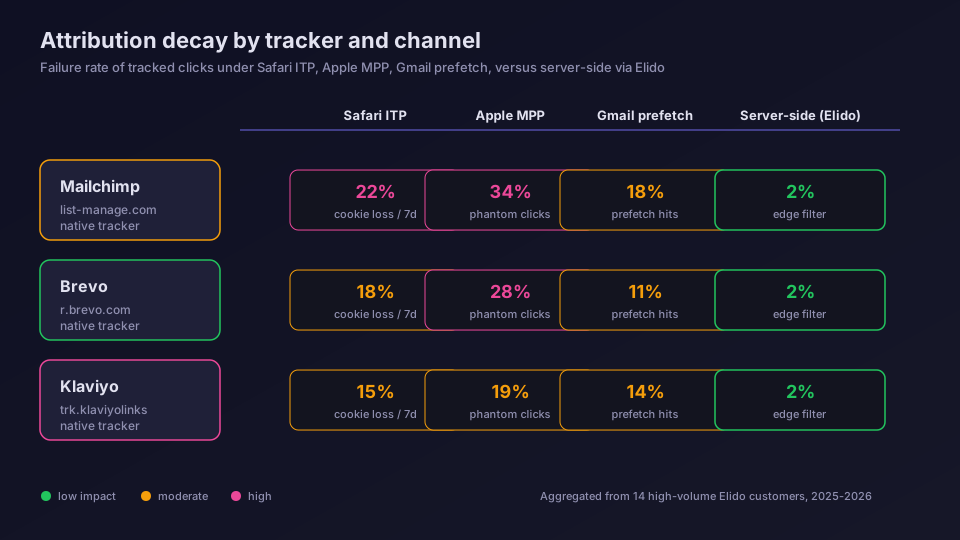
Die Matrix oben ist die Kurzfassung. Hier die längere:
- Brevo: ein
link_click-Event pro Klick, gesendet an Brevos Marketing-Automation-Tracker. - Klaviyo: ein
Elido Link Click-Event pro Klick, gesendet an die Klaviyo Events API. - Mailchimp: noch nichts. Short Links funktionieren in Mailchimp-Kampagnen, aber es geht kein Klick-Event zurück.
- Mixpanel, GA4 und Datadog nutzen denselben Forwarder; wenn Produkt-Analytics das Ziel ist, deckt die Anleitung zu Mixpanel-Link-Klick-Events diesen Weg ab.
Ein fehlgeschlagener Request wird einmal wiederholt, eine Sekunde später, und dann verworfen. Keine Warteschlange spielt Klicks nach einem Ausfall beim Anbieter erneut ab, behandle den weitergeleiteten Stream also als sehr gutes Signal, nicht als Hauptbuch. Der vollständige Klickverlauf liegt trotzdem in deiner Elido-Link-Analytics.
Brevo-Klick-Events: link_click auf dem Tracker-Endpunkt
Der Brevo-Forwarder sendet an https://in-automate.brevo.com/api/v2/trackEvent, die REST-Seite von Brevos Marketing-Automation-Tracker, beschrieben in Brevos Tracker-REST-Dokumentation. Die Authentifizierung erfolgt über einen ma-key-Header. Das ist der Tracker-Key aus Brevos Automatisierungseinstellungen, nicht der xkeysib--API-Key von der SMTP-und-API-Seite, und die Verwechslung der beiden ist der häufigste Grund, warum nichts ankommt.
Der Body ist klein:
{
  "email": "[email protected]",
  "event": "link_click",
  "properties": {
    "workspace_id": 12,
    "link_id": 4711,
    "slug": "spring-sale",
    "country": "DE",
    "device": "mobile",
    "destination": "https://store.example/sale?utm_source=brevo&utm_medium=email"
  }
}
Schau dir das Feld email an. Standardmäßig ist es eine aus der Link-ID gebaute Platzhalteradresse, sodass alle Klicks auf einen Link bei einem Brevo-Kontakt landen, dem nie jemand eine E-Mail schicken wird. Ein Workspace kann stattdessen über die API eine feste Adresse in der Integrationskonfiguration setzen, wodurch jeder Klick auf einem einzigen Kontakt landet. So oder so erhält kein echter Abonnent das Event. Es gibt in den Properties auch keine UTM-Felder; trägt das Ziel UTMs, kommen sie nur innerhalb von destination an und sonst nirgends.
Das bestimmt, wofür sich die Brevo-Events eignen: Zählen und Darstellen der Link-Aktivität neben deinen Kampagnendaten, plus eine saubere Aufzeichnung von Klicks aus SMS und Social, die Brevos eigenes Tracking nie gesehen hat. Die Anleitung zu Brevo-Short-Links geht die Einrichtung, die eingesparten SMS-Zeichen und die Gründe für die abweichenden Klickzahlen durch.
Klaviyo-URL-Shortener-Events: Die Elido-Link-Click-Metrik
Für Klaviyo ruft der Forwarder https://a.klaviyo.com/api/events/ mit deinem privaten Key in einem Authorization: Klaviyo-API-Key-Header und revision: 2023-02-22 auf. Das ist der Endpunkt aus Klaviyos Create-Event-Referenz. Der Key braucht den Scope events:write.
Jedes Event landet auf einer Metrik namens Elido Link Click, die Klaviyo beim ersten eintreffenden Event anlegt. Die Properties sind workspace_id, link_id, slug, country, device, destination und ip. Der Payload hat keine Klick-ID und kein unique_id, sodass Klaviyo auf seine eigene Deduplizierung angewiesen ist, die Events auf demselben Profil und derselben Metrik innerhalb derselben Sekunde zusammenfasst.
Beim Profil kommt die Überraschung. Jedes Event wird mit anonymous_id: elido-link-<linkID> gesendet, nie mit einer E-Mail-Adresse. Ein Link, den 4.000 Leute anklicken, erscheint in Klaviyo also als ein anonymes Profil mit 4.000 Events auf seiner Timeline. Du kannst die Metrik darstellen, nach Land oder Slug aufschlüsseln und darüber berichten. Du kannst sie nicht nutzen, um die klickende Person zu kontaktieren, weil das Profil weder E-Mail noch Telefonnummer zum Versenden hat.
Meine ehrliche Einschätzung: Nutze Elido Link Click für kanalübergreifendes Reporting innerhalb von Klaviyo und lass Flows weiterhin über Klaviyos natives Clicked Email auslösen. Der Klaviyo-Klick-Events-Deep-Dive enthält den vollständigen Payload, die Einrichtungsschritte und die Flow-Grenzen.
Mailchimp-Link-Tracking: kommend, noch nicht verfügbar
Elido hat heute keinen Mailchimp-Forwarder. Die Integration steht auf der Roadmap als OAuth-Verbindung, die in beide Richtungen funktioniert: Elido-Link-Klicks auf die Mailchimp-Kontakt-Timeline und Mailchimp-Kampagnen-Klicks zurück in die Elido-Analytics. Das automatische Kürzen der Links in einer Kampagne ist für Mailchimp, Brevo und Klaviyo gleichermaßen geplant. Nichts davon ist bereits live, und ich würde keinen Reporting-Prozess um ein Datum herum bauen.
Was du gerade jetzt tun kannst, ist einfach. Setze Elido-Short-Links in deine Mailchimp-Kampagnen dort ein, wo eine eigene Domain oder eine kürzere URL hilft, zum Beispiel in Nur-Text-E-Mails oder in Inhalten, die auch auf Social ausgespielt werden. Mailchimp verpackt sie wie gewohnt in seinen eigenen Tracking-Link und zählt Klicks pro Abonnent. Elido zählt dieselben Klicks am Short Link, plus jeden Klick von außerhalb der E-Mail, und du vergleichst beides im Elido-Dashboard statt in Mailchimp.
Wenn du Klicks schon heute innerhalb der Segmentierung eines ESP brauchst, sind Brevo und Klaviyo die Optionen, mit den oben beschriebenen Einschränkungen bei der Identität.
E-Mail-UTM-Tracking: Die Tags gehören auf das Ziel
Das ist der Teil, der Reports leise kaputt macht. Elidos Weiterleitung reicht die eigene Query-String des Short Links nicht an das Ziel weiter. Was der Besucher bekommt, ist das gespeicherte Ziel. Hängt ein ESP also utm_source und Ähnliches an den Short Link an, werden diese Parameter bei der Weiterleitung verworfen und erreichen deine Analytics nie.
ESPs hängen sie tatsächlich an. Mailchimps Google-Analytics-Link-Tracking fügt UTM-Parameter an die Links einer Kampagne an, und Klaviyo und Brevo haben ähnliche Schalter. Bei einem normalen Link ist das kein Problem. Bei einem Short Link taggt es die falsche URL.
Die Korrektur dauert eine Minute pro Link:
- Baue das vollständige Ziel mit UTMs, zum Beispiel mit dem UTM-Builder, und speichere es als Ziel des Short Links.
- Lass die automatische UTM-Option des ESP an oder aus, wie du willst; bei Short Links hat sie keine Auswirkung darauf, was ankommt.
Elido-Kampagnen können bereits ein eigenes UTM-Set enthalten, und eine workspace-weite Standard-UTM-Vorlage steht auf der Roadmap. Keine der beiden wird von der Brevo- oder Klaviyo-Integration angewendet; die Ziel-URL bleibt weiterhin maßgeblich.
Ein Nebeneffekt: Die UTMs reisen jetzt mit dem Link. Derselbe Short Link in einem Newsletter, einem QR-Code und einer Instagram-Bio meldet unter demselben Satz von Tags, und das weitergeleitete Brevo- oder Klaviyo-Event zeigt sie innerhalb von destination.
Bot-Klicks und warum die Zahlen abweichen
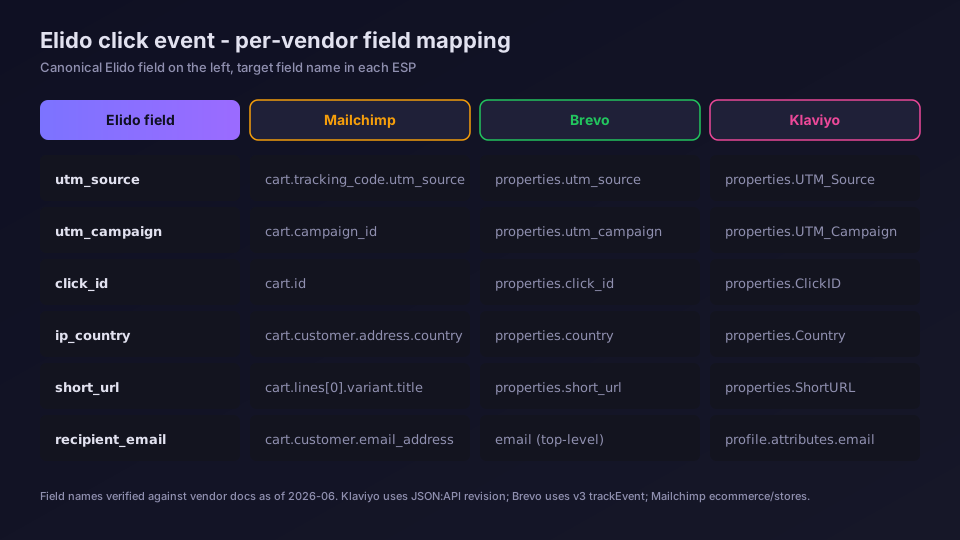
Die Klickzahlen weichen zwischen deinem ESP und Elido ab, und das ist zu erwarten. Sie zählen an zwei unterschiedlichen Türen, und jede Tür lässt anderen Traffic durch.
Elido filtert Bots ausschließlich nach User-Agent. Entspricht der User-Agent eines Requests einem bekannten Crawler, Link-Vorschau-Bot, Uptime-Monitor oder einer HTTP-Bibliothek, findet die Weiterleitung trotzdem statt, aber es wird kein Klick erfasst, also auch nichts weitergeleitet. IP-Bereiche werden überhaupt nicht geprüft. E-Mail-Sicherheits-Scanner, die Links mit einem gewöhnlichen Browser-User-Agent öffnen, sehen für die Weiterleitung wie Menschen aus, werden gezählt und weitergeleitet. Klicks, die Elido aus anderen Gründen als verdächtig markiert, werden ebenfalls weitergeleitet; die Markierung bleibt auf Elidos Seite.
Auch dein ESP hat blinde Flecken. Apples Mail Privacy Protection bläht vor allem Öffnungsraten auf, indem es Remote-Inhalte vorab lädt, ein Grund, warum Klicks zur vertrauenswürdigeren E-Mail-Kennzahl geworden sind. Die Anleitung zum Tracking von E-Mail-Link-Klicks geht durch, woher jede Lücke kommt und wie sich die Zahlen abgleichen lassen, ohne dass du einen Nachmittag dafür verlierst.
Short Links in Newslettern: ein Rollout, der hält
Hier die Reihenfolge, die ich für ein Team empfehlen würde, das über Brevo oder Klaviyo versendet und diese Woche Klick-Events fließen sehen will.
- Tagge zuerst die Ziele, wie oben beschrieben. Nachträgliches Taggen nach dem Launch bedeutet neue Links.
- Erstelle den Key: einen
ma-key-Tracker-Key in Brevo oder einen privaten Key mitevents:writein Klaviyo. Füge ihn unter Integrationen in die Karte des Anbieters ein und speichere. Die Einstellungen brauchen ein paar Minuten, bis sie den Forwarder erreichen. - Klicke einen Testlink von einem echten Smartphone aus, nicht von einem Terminal. Ein
curl-Request wird als Bot behandelt und taucht nie auf. - Prüfe Brevos Kontakt-Timeline auf den Platzhalterkontakt oder Klaviyos Metrikliste auf
Elido Link Click. - Lass das eigene Klick-Tracking des ESP aktiv. Es ist die einzige Quelle, die weiß, wer geklickt hat.
Wenn dir die Link-Domain in deinen E-Mails wichtig ist, und für die Zustellbarkeit kann sie das sein, betreibe Short Links auf deiner eigenen eigenen Domain statt auf einer gemeinsam genutzten. Pläne und Limits stehen auf der Preisseite. Die Funktion Conversion-Tracking übernimmt dort, wo der Klick endet, und der Erklärartikel zur cookielosen Attribution deckt die Strecke von der Session bis zum Verkauf ab.
Bereit, es an einer echten Kampagne auszuprobieren? Richte einen Workspace für dein Marketing-Team ein und verbinde Brevo oder Klaviyo in wenigen Minuten.
Lies den Grundlagenartikel: UTMs durchgängig tracken.
Verwandte Artikel im Blog
- Klaviyo-Link-Tracking mit Short-Link-Klicks - die Elido-Link-Click-Metrik im Detail.
- Brevo-URL-Shortener für Kampagnen - link_click-Events, SMS-Links und die Abweichung bei den Klickzahlen.
- E-Mail-Link-Klicks tracken - wie E-Mail-Klick-Tracking funktioniert und warum die Zahlen voneinander abweichen.
- Mixpanel-Link-Klick-Events - derselbe Forwarder speist Produkt-Analytics.
- Serverseitiges Conversion-Tracking - was nach dem Klick passiert.
Häufig gestellte Fragen
Kann Elido Short-Link-Klicks an Mailchimp senden?
Noch nicht. Mailchimp ist als kommend gelistet: Die geplante Integration verbindet sich über OAuth und schreibt Link-Klicks auf die Kontakt-Timeline, aber aktuell läuft kein Mailchimp-Forwarder. Bis er live ist, nutze Elido-Short-Links in Mailchimp-Kampagnen und lies deren Klicks in Elido ab.
Welches Event sendet Elido an Brevo und an Klaviyo?
Brevo erhält über seinen trackEvent-Endpunkt ein benutzerdefiniertes Event namens link_click. Klaviyo erhält über seine Events API ein Event auf einer benutzerdefinierten Metrik namens Elido Link Click. Beide enthalten Workspace-ID, Link-ID, Slug, Land, Gerät und Ziel-URL, Klaviyo erhält zusätzlich die Besucher-IP.
Landet ein weitergeleiteter Klick beim Abonnenten, der geklickt hat?
Nein. Die Weiterleitung weiß nicht, welcher Abonnent den Link angetippt hat. Klaviyo-Events gehen an ein anonymes Profil pro Link, elido-link plus die Link-ID, und Brevo-Events gehen an eine Platzhalteradresse pro Link oder an eine für den Workspace fest eingestellte Adresse. Klicks pro Abonnent bleiben beim eigenen Tracking jedes ESP.
Wohin sollten UTM-Parameter, wenn ich Short Links in E-Mails verwende?
Auf die im Short Link gespeicherte Ziel-URL. Elido reicht die eigene Query-String des Short Links nicht an das Ziel weiter, daher werden UTMs, die ein ESP an den Short Link anhängt, bei der Weiterleitung verworfen. Tagge das Ziel einmal, und jeder Kanal, der den Link nutzt, meldet auf dieselbe Weise.
Filtert Elido Bot-Klicks, bevor sie an meinen ESP weitergeleitet werden?
Teilweise. Die Weiterleitung verwirft Klicks, deren User-Agent einem bekannten Crawler, Vorschau-Bot oder HTTP-Client entspricht, diese werden weder gezählt noch weitergeleitet. Nach IP-Bereich wird nicht gefiltert, und E-Mail-Sicherheits-Scanner, die einen normalen Browser-User-Agent vorweisen, kommen durch und werden wie jeder andere Klick weitergeleitet.
Warum zeigen mein ESP und Elido unterschiedliche Klickzahlen für dieselbe E-Mail?
Sie zählen an unterschiedlichen Türen. Der ESP zählt Treffer auf seinem eigenen Tracking-Link und ordnet sie einem Abonnenten zu; Elido zählt Treffer auf dem Short Link, abzüglich der User-Agents, die als Bots erkannt werden, einschließlich Klicks von Orten, an die die E-Mail nie gegangen ist. Eine Abweichung in beide Richtungen ist normal und meist erklärbar.
Elido testen
URL einfügen, kurzer Link in Sekunden
Kein Konto nötig. Link bleibt 30 Tage aktiv. Konto erstellen, um ihn dauerhaft zu behalten.
Kostenlos, keine Anmeldung erforderlich · 2 pro Tag