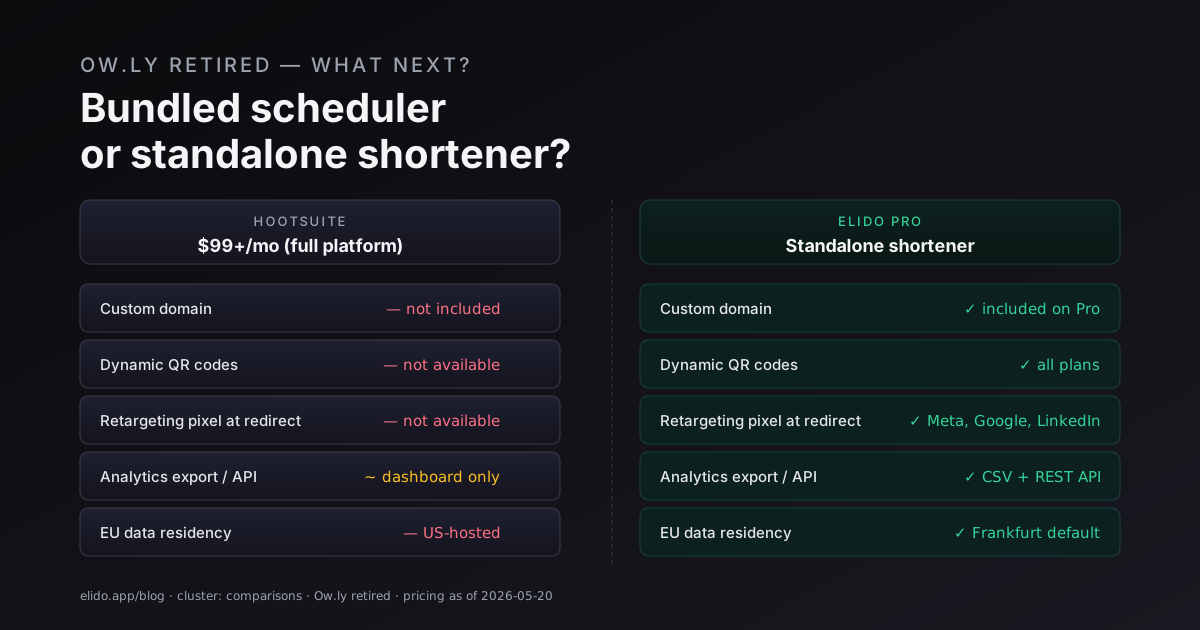
Ow.ly больше не работает как самостоятельный сокращатель URL. Hootsuite полностью интегрировал его в свою платформу несколько лет назад, и продукт, к которому вы раньше имели бесплатный доступ - вставить URL, получить ow.ly/XXXX - теперь является побочным продуктом подписки на управление социальными сетями за $99+/месяц. Если хотите ссылки ow.ly, покупаете Hootsuite. Промежуточного пути нет.
Это ставит SMM-специалистов в одно из двух положений. Либо вы уже платите за Hootsuite, и сокращение ссылок является побочным преимуществом, которое вполне подходит для ваших нужд. Либо вы не платите $99+/месяц за полный планировщик социальных сетей, и вам нужен сокращатель, работающий как самостоятельный продукт - в идеале с функциями, которых у Ow.ly никогда не было.
Эта статья для второй группы. Она охватывает, чем был и чем не был Ow.ly, что автономный сокращатель реально должен делать для рабочего процесса в социальных сетях в 2026 году, и как перенести кампании с Ow.ly, ничего не сломав из того, что ещё работает.
TL;DR
- Ow.ly отключён как самостоятельный продукт. Получить его можно только в комплекте с Hootsuite за $99+/месяц.
- У Ow.ly никогда не было QR-кодов, пикселей ретаргетинга, экспорта аналитики или кастомных доменов. Всё это базовые требования к современному автономному сокращателю.
- Elido подключается к Buffer и Hootsuite через один слой интеграции, так что вы сохраняете выбранный планировщик и просто меняете сокращатель под ним.
- Вы не можете вернуть существующие slug
иow.ly/XXXX` - они резолвятся на инфраструктуре Hootsuite. Что вы можете сделать - прекратить создавать новые ссылки Ow.ly и перевести все будущие кампании на собственный брендированный домен. - Сравнение цен: Elido Pro + ваш существующий планировщик (Buffer, Later, Publer, Planoly - на ваш выбор) как правило обходится значительно менее $99/месяц в совокупности в зависимости от тарифа планировщика.
Чем был и чем не был Ow.ly
Ow.ly запустился вместе с Hootsuite в начале 2010-х годов как сокращатель ссылок, привязанный к продукту по планированию публикаций в социальных сетях Hootsuite. На пике он делал одно: брал длинный URL и давал что-то короткое, которое можно было отслеживать внутри аналитической панели Hootsuite.
Для своего времени это было действительно полезно. Счётчики кликов внутри Hootsuite, привязанные к посту, содержащему ссылку. Ничего больше.
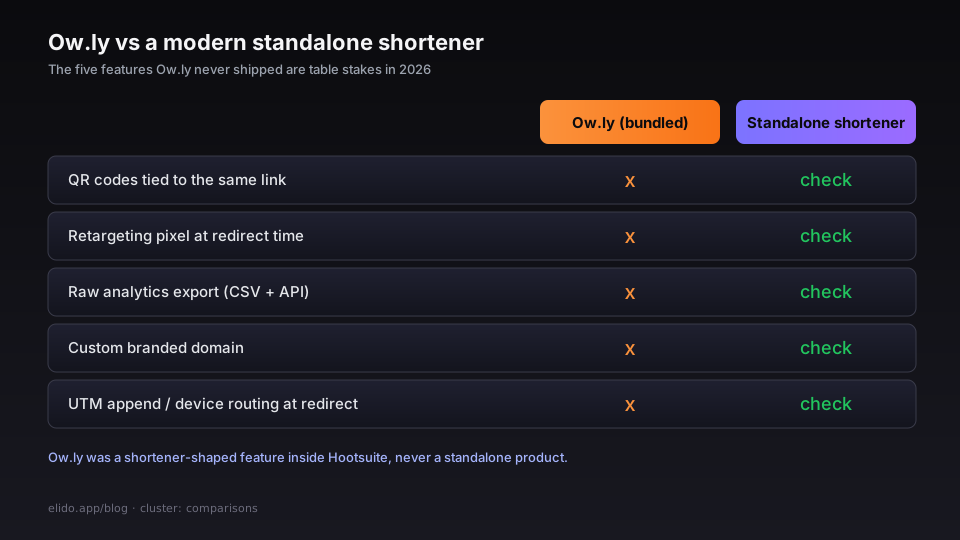
Вот чего у Ow.ly никогда не было:
QR-коды. К ссылкам Ow.ly не была привязана генерация QR. Если вы вели кампанию, охватывавшую как цифровое, так и физическое пространство - пост в социальных сетях и печатный плакат, твит и раздатка на выставке - приходилось генерировать QR-коды отдельным инструментом и надеяться, что URL назначения остаются синхронизированными с вашим отслеживанием в Hootsuite.
Пиксели ретаргетинга. У Ow.ly не было механизма для загрузки Meta Pixel, Google Tag, LinkedIn Insight Tag или любого другого скрипта ретаргетинга при редиректе. Если вы хотели ретаргетировать всех, кто кликнул по ссылке, которую вы опубликовали в Twitter, приходилось управлять этим отдельно со всем сопутствующим снижением показателя совпадения.
Экспорт аналитики. Данные о кликах, собранные Ow.ly, жили внутри Hootsuite. Нельзя было экспортировать необработанные события кликов в хранилище данных, BI-инструмент или CSV для собственного анализа. Можно было смотреть на график; нельзя было владеть данными.
Кастомные домены. Ваши ссылки были на ow.ly. Не на домене вашего бренда. Каждая ссылка, которую вы отправляли от имени клиента или собственного бренда, отображалась как ow.ly/что-то в адресной строке и в превью социальных сетей.
Сквозная передача UTM или добавление. Ow.ly передавал URL назначения как есть. Любая UTM-разметка должна была быть в назначении. Не было возможности добавления при редиректе, A/B маршрутизации URL или маршрутизации по устройству.
Ничего из этого не является экзотикой. Каждый серьёзный автономный сокращатель поставляет всё это в 2026 году. Пробел существовал потому, что Ow.ly никогда не был самостоятельным продуктом - это была функция в форме сокращателя внутри большего инструмента, и именно в этот большой инструмент Hootsuite делал инвестиции.
Что искать в автономной замене
Чеклист функций для замены Ow.ly короткий. Порядок приоритета важен.
Кастомный домен. Обязательное условие. Каждая ссылка, которую вы отправляете, должна быть на домене под вашим контролем. Это важно для узнаваемости бренда в превью социальных сетей, для доставляемости email (сокращённые ссылки на общих доменах помечаются фильтрами), и для доверия - клик по go.yourbrand.com воспринимается иначе, чем клик по ow.ly или bit.ly. Проверьте, взимает ли вендор сбор за каждый домен или разрешает wildcard-субдомены для агентств или мультибрендового использования. Elido включает один кастомный домен на Pro и wildcard-субдомены на Business. На странице функции кастомных доменов есть пошаговая инструкция по настройке DNS.
Генерация QR-кода, привязанная к той же ссылке. QR-код и короткая ссылка должны быть одним и тем же активом кампании, а не двумя отдельными вещами в двух отдельных инструментах. Динамические QR-коды - где назначение можно изменить после печати - это наиболее важный вариант. Аналитика сканирований должна объединяться с тем же отчётом о кликах, что и веб-клики. Смотрите страницу функции QR-кодов Elido и объяснение динамических и статических QR-кодов для операционных деталей.
Инъекция пикселей ретаргетинга. Вы должны иметь возможность запускать пиксель при редиректе - до того, как пользователь достигает назначения - чтобы каждый, кто нажимает на вашу ссылку в социальных сетях, попадал в вашу аудиторию ретаргетинга независимо от того, корректно ли срабатывает собственный пиксель страницы назначения. Это восстанавливает аудиторию, которую иначе вы бы потеряли из-за ITP Safari, расширений браузера и страниц назначения с непоследовательной разметкой. Страница функции ретаргетинга Elido содержит инструкцию по настройке для каждой платформы. Объяснение атрибуции кликов после Safari ITP даёт полезный контекст.
Экспорт аналитики. Необработанные события кликов должны принадлежать вам. Ищите экспорт CSV и API endpoint, возвращающий журналы событий кликов - устройство, страна, реферер, временная метка, назначение, разобранный UTM. Если вендор хранит ваши данные и не даёт способа их получить, данные фактически удерживаются в заложниках. Страница функции аналитики Elido охватывает форматы экспорта; объяснение аналитики коротких ссылок рассказывает, что именно измерять.
Интеграция с планировщиком или webhook API. Если вы управляете 50+ ссылками в месяц в рамках активных кампаний в социальных сетях, ручное создание не масштабируется. Сокращателю нужно подключаться к вашему планировщику (Buffer, Hootsuite, Later, Publer) или предоставлять webhook и API, которые может вызывать ваш слой автоматизации. Elido интегрируется с Buffer и Hootsuite через страницу интеграций и предоставляет REST API для всего остального.
Хранение данных в ЕС. Если какие-либо из ваших кампаний направлены на рынки ЕС, или если вы агентство из ЕС, ваши данные о кликах - содержащие IP-адреса, отпечатки устройств и временные метки - являются персональными данными по GDPR. Сокращатель, хранящий события кликов на инфраструктуре США, - это разговор о DPA, ожидающий своего часа. Elido хранит данные о кликах на инфраструктуре в ЕС в регионе ЕС по умолчанию с предподписанным DPA по Статье 28 в стандартном договоре с клиентом. Пост о хранении данных в ЕС для маркетинга охватывает, что это значит в контексте закупок.
Elido для SMM-специалистов
Вот конкретный рабочий процесс, который Elido поддерживает для команд, переходящих с Ow.ly.
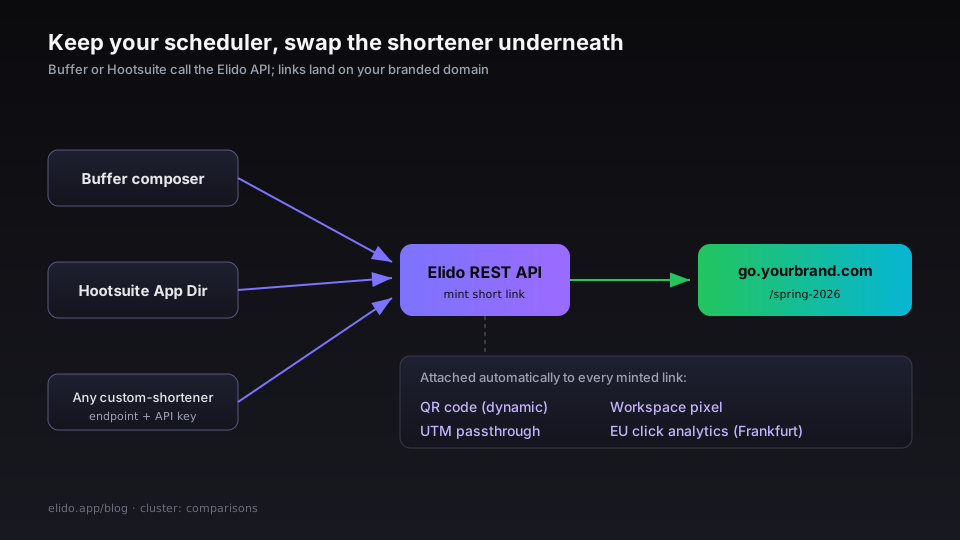
Интеграция с Buffer. Buffer поставляется с опцией «кастомный сокращатель» в настройках публикаций. Вы указываете его на API endpoint Elido с ключом API вашего workspace, и с этого момента каждый URL, вставленный в пост Buffer, сокращается до вашего брендированного домена. Buffer вызывает API Elido, получает короткий URL и вставляет его в компоузер поста. Без копирования, без переключения вкладок. На странице интеграций /integrations#social есть настройка коннектора.
Плагин Hootsuite. Да - вы можете продолжать использовать Hootsuite в качестве планировщика и заменить Ow.ly на Elido как сокращатель. App Directory Hootsuite поддерживает интеграции кастомных сокращателей URL. Подключите Elido через тот же процесс API-ключа, и посты, созданные в Hootsuite, будут генерировать короткие ссылки Elido на вашем брендированном домене, а не ссылки Ow.ly. Раздел интеграции с Hootsuite содержит шаги настройки.
Массовый импорт ссылок. Если вы проводите кампании, где предварительно генерируете 50 или 500 ссылок - продвижение каталога продуктов, партнёрские кампании, email-последовательности - Elido поддерживает массовый импорт CSV через панель и через API. Пост о массовом импорте из Google Sheets содержит полное пошаговое руководство по импорту из Sheets, что является наиболее распространённым паттерном массового создания для социальных команд.
QR и ссылка за один шаг. При создании короткой ссылки в Elido QR-код генерируется автоматически. Одна и та же ссылка обеспечивает и веб-клик, и событие сканирования, и оба отображаются в одном аналитическом отчёте. Если вам нужно обновить назначение - продукт переместился, место проведения мероприятия изменилось - вы обновляете это в одном месте, и существующие QR-коды и короткие ссылки продолжают работать.
Ретаргетинг в масштабе. Пиксели ретаргетинга устанавливаются на уровне workspace, а не на уровне отдельной ссылки. Вы один раз настраиваете ID Meta Pixel и контейнер Google Tag Manager. Каждая ссылка, созданная в этом workspace, запускает пиксель при редиректе. Кампании в социальных сетях автоматически пополняют ваши аудитории ретаргетинга без настройки пикселя для каждой кампании.
Экспорт аналитики для клиентской отчётности. Если вы управляете кампаниями в социальных сетях для клиентов, API экспорта аналитики Elido даёт вам необработанные события кликов по диапазону дат, по ссылке, по тегу кампании. Создайте собственный шаблон клиентского отчёта в Sheets или Looker Studio и подтягивайте данные через API по расписанию. Данные принадлежат вам; вы не делаете скриншоты панели Hootsuite.
Пошаговое руководство по миграции
Переход с Ow.ly имеет одно жёсткое ограничение.
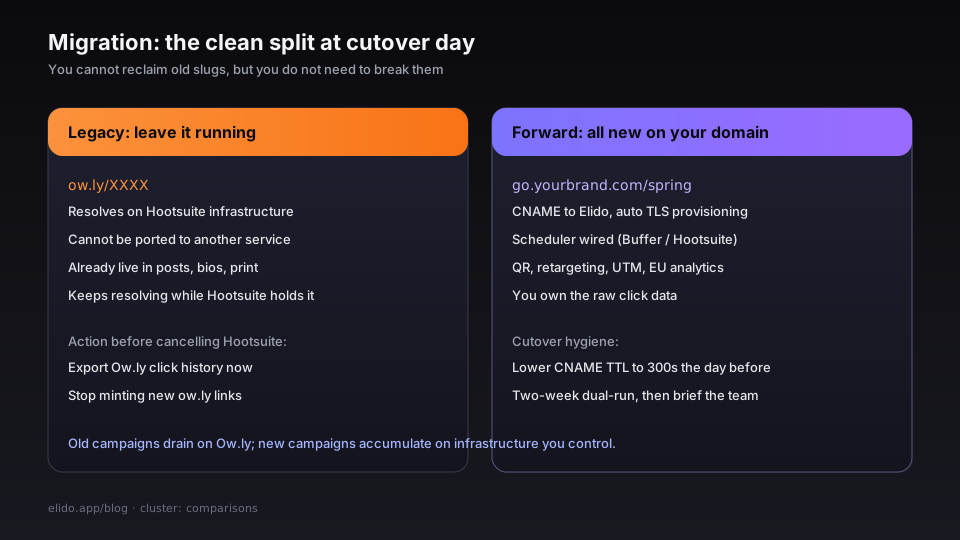
Жёсткое ограничение: существующие ow.ly ссылки нельзя вернуть.
Ссылки, созданные на ow.ly/XXXX, резолвятся на инфраструктуре Hootsuite. Перенести их в другой сервис нельзя. Если эти ссылки находятся в опубликованном контенте - живые посты в социальных сетях, биографии, печатные материалы, email-архивы - они будут продолжать резолвиться до тех пор, пока Hootsuite поддерживает редиректы. Перенести их нельзя, но ломать их не нужно. Они просто будут работать до тех пор, пока не перестанут, и к тому времени они уже проработают годами.
Что вы можете сделать - немедленно прекратить создавать новые ссылки Ow.ly. Любая кампания, запускаемая сегодня или в будущем, идёт на вашем брендированном домене Elido. Старые кампании продолжают резолвиться на Ow.ly; новые кампании накапливаются на вашей собственной инфраструктуре.
Шаг 1: Настройте брендированный домен.
Купите или выберите короткий домен - что-то вроде go.yourbrand.com или lnk.agency.example - укажите его CNAME на Elido и позвольте платформе взять на себя подготовку TLS. Руководство по настройке кастомного домена проведёт через DNS-запись, TLS-сертификат и проверку примерно за пять минут. Снизьте TTL вашего CNAME до 300 секунд за день до переключения, чтобы распространение было быстрым.
Шаг 2: Подключите планировщик.
Buffer: перейдите в Settings → Link Shortening → Custom, введите API endpoint Elido и ключ API workspace. Готово.
Hootsuite: App Directory → найдите Elido, авторизуйте workspace, подтвердите брендированный домен. Готово.
Любой другой планировщик, поддерживающий endpoint кастомного сокращателя или webhook, следует тому же паттерну: URL endpoint, API-ключ, подтвердите тестовую ссылку.
Шаг 3: Перенесите активные шаблоны UTM.
Если вы придерживаетесь соглашения об именовании UTM - utm_source=instagram&utm_medium=social&utm_campaign=spring-2026 - и раньше применяли это на уровне URL назначения, ничего не меняется. Если вы полагались на какое-либо поведение добавления UTM в Hootsuite, пересоздайте эти шаблоны в UTM-конструкторе Elido. Руководство по сквозному отслеживанию UTM содержит канонический паттерн.
Шаг 4: Экспортируйте историю кликов Ow.ly пока ещё можете.
Экспорт данных Hootsuite доступен пока ваш аккаунт активен. Если вы отменяете Hootsuite в рамках этой миграции, запустите экспорт до закрытия аккаунта. Историю кликов Ow.ly нельзя получить позже. История кликов Elido начинается со дня создания первой ссылки.
Шаг 5: Проинформируйте команду.
Критическое изменение, которое замечает большинство социальных команд, - это не формат ссылки, а местоположение аналитики. Тому, кто читал данные о кликах во встроенной аналитике Hootsuite, нужно указать на панель Elido или на выбранный вами формат экспортируемого отчёта. Запланируйте двухнедельный переходный период, в течение которого оба инструмента работают в связке, а панель Hootsuite ещё является источником истины для устаревших ссылок.
Сравнение цен
Hootsuite не пытается продать вам сокращатель URL. Он продаёт платформу для управления социальными сетями. Ow.ly - это функция этой платформы, так же как интеграция с Canva, рабочие процессы согласования и групповые входящие сообщения. Если они вам нужны, ценообразование Hootsuite разумно для того, что включает.
Если вам нужен только сокращатель - или сокращатель плюс более лёгкий планировщик - цена в комплекте дорога для используемого подмножества.
Hootsuite Professional: $99/месяц (или выше в зависимости от текущего ценообразования и количества мест). Включает полный планировщик социальных сетей, контент-календарь, массовое планирование, управление входящими сообщениями, аналитику и сокращение ссылок Ow.ly. Если вы используете 80% этого набора функций, стоимость одной функции разумна. Если вы используете 10% - вы платите $99/месяц за сокращатель.
Elido Pro + Buffer Essentials (как показательный пример): фиксированная ежемесячная плата Elido Pro за неограниченное создание ссылок, один кастомный домен, аналитику, QR-коды и ретаргетинг. Buffer Essentials на его текущем тарифе для планирования социальных сетей на нужных вам каналах. Совокупная сумма, как правило, значительно ниже $99/месяц, если только количество мест Buffer не очень велико.
Переключение стоит просчитать когда:
- Вы платите за Hootsuite преимущественно ради сокращения ссылок и не используете планировщик активно.
- Вам нужны QR-коды, ретаргетинг или экспорт аналитики - функции, которые вы сейчас дополняете другими инструментами.
- Ваш покупатель находится в ЕС и хранение данных Hootsuite в США создаёт трудности при закупке.
- Вы управляете несколькими брендами или клиентами и вам нужны кастомные домены для каждого бренда, а не единое пространство имён
ow.ly.
Переключение, вероятно, не стоит просчитывать когда:
- Вы используете полный набор функций Hootsuite - управление входящими, командные согласования, контент-календарь - и сокращение ссылок является второстепенным преимуществом.
- Ваша существующая история кликов Ow.ly - это критически важные бизнес-данные, которые вы активно анализируете и не можете воссоздать.
- У вас заключён корпоративный договор с Hootsuite, цена которого уже значительно ниже прайса.
Частые вопросы
Могу ли я перенаправить существующие ow.ly ссылки на свой домен Elido?
Нет. Ссылки ow.ly резолвятся на инфраструктуре Hootsuite. Вы не контролируете редиректы для ссылок, которые уже создали. Единственное, что вы контролируете, - создавать ли новые.
Перестанут ли мои старые ow.ly ссылки работать при отмене Hootsuite?
Hootsuite не опубликовал официальный план устаревания для исторических редиректов Ow.ly. Они продолжали резолвить ссылки для пользователей, отменивших подписку, но это не гарантировано. Если у вас есть высокотрафиковый опубликованный контент со ссылками ow.ly, это аргумент в пользу сохранения базового места Hootsuite достаточно долго, чтобы перенести URL назначения, или принять этот риск.
Работает ли Elido с Hootsuite?
Да. Вам не нужно покидать планировщик Hootsuite, чтобы использовать Elido в качестве сокращателя. Настройте Elido как кастомный сокращатель в настройках Hootsuite, и ссылки, публикуемые через Hootsuite, резолвятся на вашем брендированном домене Elido. На странице интеграций есть инструкция по настройке.
Работает ли Elido с Buffer?
Да. Тот же подход - настройте Elido как кастомный сокращатель ссылок в настройках Buffer. Все URL, вставленные в компоузер Buffer, автоматически сокращаются до вашего брендированного домена Elido.
Что происходит с QR-кодами при обновлении URL назначения?
Динамические QR-коды в Elido указывают на slug короткой ссылки, а не на URL назначения. Обновление назначения в Elido обновляет каждый QR-код и каждую короткую ссылку, указывающую на этот slug. Существующие печатные материалы продолжают работать; они просто резолвятся на новое назначение.
Хранит ли Elido данные о кликах в ЕС?
Да, по умолчанию. События кликов обрабатываются и хранятся на инфраструктуре в ЕС в регионе ЕС. Если ваши кампании преимущественно в регионах за пределами ЕС (APAC, США), вы можете настроить привязку к региону на тарифе Business. Стандартный договор с клиентом включает предподписанный DPA по Статье 28 GDPR.
Сколько кастомных доменов у меня может быть?
Pro включает один кастомный домен. Business поддерживает wildcard-субдомены - одна CNAME-запись, один цикл TLS-сертификата, неограниченное количество субдоменов под ним. Если вы управляете 10 брендами клиентов, один wildcard на *.agency.example покрывает все из них без поплатежных сборов за домен.
Могу ли я экспортировать все данные о кликах?
Да. Экспорт CSV доступен в панели. Необработанные события кликов доступны через REST API с фильтрами по ссылке, диапазону дат, тегу кампании и workspace. Данные принадлежат вам.
По теме в блоге
- Динамические и статические QR-коды: какой использовать и когда
- Массовый импорт ссылок из Google Sheets
- Аналитика коротких ссылок: что измерять, а что игнорировать
- Хранение данных в ЕС для маркетинговых инструментов: что на самом деле спрашивает ваш DPO
- Сокращатели URL для маркетологов: сравнительная матрица 2026 года
- Атрибуция кликов после Safari ITP: практическое руководство
Частые вопросы
Могу ли я перенаправить существующие ow.ly ссылки на свой домен Elido?
Нет. Ссылки ow.ly резолвятся на инфраструктуре Hootsuite. Вы не контролируете редиректы для ссылок, которые уже создали. Единственное, что вы контролируете, - это создавать ли новые ссылки. Существующие ow.ly ссылки будут продолжать работать до тех пор, пока Hootsuite поддерживает редиректы.
Перестанут ли мои старые ow.ly ссылки работать при отмене Hootsuite?
Hootsuite не опубликовал официальный план устаревания для исторических редиректов Ow.ly. Они продолжали резолвить ссылки для пользователей, отменивших подписку, но это не гарантировано. Если у вас есть высокотрафиковый опубликованный контент со ссылками ow.ly, это аргумент в пользу сохранения базового места Hootsuite достаточно долго, чтобы перенести URL назначения, или принять этот риск.
Работает ли Elido с Hootsuite?
Да. Вам не нужно покидать планировщик Hootsuite, чтобы использовать Elido в качестве сокращателя. Настройте Elido как кастомный сокращатель в настройках Hootsuite, и ссылки, публикуемые через Hootsuite, будут резолвиться на вашем брендированном домене Elido, а не как ow.ly ссылки.
Что происходит с QR-кодами при обновлении URL назначения?
Динамические QR-коды в Elido указывают на slug короткой ссылки, а не на URL назначения. Обновление назначения в Elido обновляет каждый QR-код и каждую короткую ссылку, указывающую на этот slug. Существующие печатные материалы продолжают работать; они просто резолвятся на новое назначение.
Хранит ли Elido данные о кликах в ЕС?
Да, по умолчанию. События кликов обрабатываются и хранятся на инфраструктуре в ЕС в регионе ЕС. Если ваши кампании преимущественно в регионах за пределами ЕС, таких как APAC или США, вы можете настроить привязку к региону на тарифе Business. Стандартный договор с клиентом включает предподписанный DPA по Статье 28 GDPR.
Сколько кастомных доменов у меня может быть?
Pro включает один кастомный домен. Business поддерживает wildcard-субдомены - одна CNAME-запись, один цикл TLS-сертификата, неограниченное количество субдоменов под ним. Если вы управляете 10 брендами клиентов, один wildcard на домене вида agency.example покрывает все из них без поплатежных сборов за домен.
Попробуйте Elido
Вставьте URL - получите короткую ссылку
Без регистрации. Ссылка живёт 30 дней. Зарегистрируйтесь, чтобы оставить её навсегда.
Бесплатно, без регистрации · 2 в день