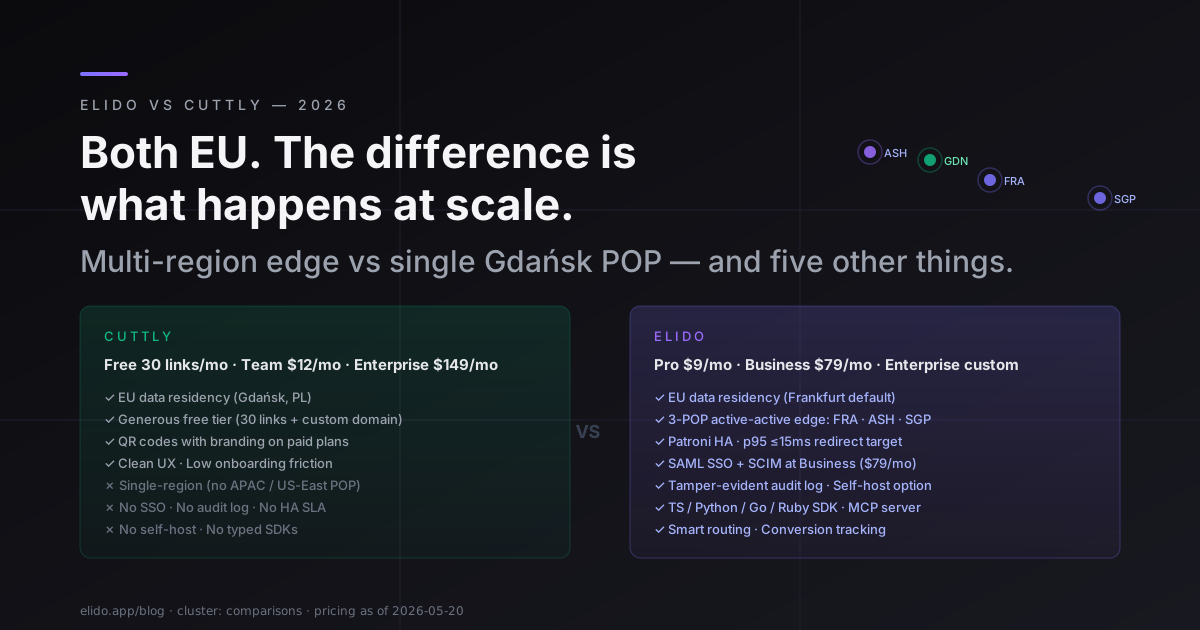
Jeśli trafiłeś tutaj z wyszukiwania "skracacz URL UE", dokonałeś już najważniejszego cięcia na rynku. Zarówno Cuttly, jak i Elido przechowują Twoje dane linków na europejskiej infrastrukturze. Eliminuje to podatek papierowy Schrems II, który ma zastosowanie do każdego skracacza hostowanego w USA - realny wyróżnik na rynku nadal zdominowanym przez dostawców z chmury amerykańskiej.
W przestrzeni skracaczy rezydujących w UE, gdzie te dwa produkty faktycznie się różnią i który pasuje do Twojego zespołu? Ten wpis stara się dać uczciwa odpowiedź. Cuttly działa dłużej niż Elido i ma lojalnych użytkowników wśród europejskich freelancerów, solowych marketerów i małych zespołów. Zasługuje na uczciwe traktowanie, a nie na atak. Celem jest zmapowanie, gdzie każdy jest mocny i gdzie każdy pokazuje swoje ograniczenia.
Wszystkie poniższe szczegóły cennikowe i planów Cuttly pochodzą z publicznej strony cennikowej Cuttly Pro. Zweryfikuj aktualne dane przed użyciem czegokolwiek z tego w rozmowie zakupowej. Ceny się zmieniają i nie zamierzam udawać inaczej.
TL;DR
- Zarówno Cuttly, jak i Elido są rezydentami UE. Ten wspólny fakt powinien być punktem wyjścia, a nie sufitem Twojej ewaluacji.
- Cuttly jest na rynku od 2019 roku, jest bootstrapped i rentowne, ma przejrzysty i przystępny UX z naprawdę użytecznym bezpłatnym poziomem (30 nowych linków/miesiąc, jedna własna domena).
- Luki Cuttly ujawniają się przy skali zespołu: brak opublikowanego SLA dostępności, infrastruktura jednolokalizacyjna (Gdańsk), brak dziennika audytu, brak udokumentowanej ścieżki SSO i brak architektury wysokiej dostępności dla rozmów zakupowych z korporacjami.
- Różnice Elido są infrastrukturalne, nie kosmetyczne: trzy-POP active-active edge (region UE, USA Wschód, Azja-Pacyfik), repliki bazy danych o wysokiej dostępności, SAML SSO + SCIM na poziomie Business, odporny na manipulacje dziennik audytu i opcja self-host dla zespołów potrzebujących prywatnego wdrożenia.
- Bezpłatny poziom: Cuttly jest hojniejszy (30 linków/miesiąc) niż bezpłatny poziom Elido. Do indywidualnego użytku Cuttly wygrywa prostotą i kosztem. Przy użytku zespołowym powyżej ok. 10 osób rozmowa się odwraca.
- Ceny: Cuttly zaczyna od 12 USD/miesiąc (plan Team), enterprise od 149 USD/miesiąc. Elido to 9 USD/miesiąc (Pro), 79 USD/miesiąc (Business). Bezpłatny poziom Cuttly jest bardziej rozbudowany; płatne poziomy Elido są tańsze w każdym przedziale.
Mocne strony Cuttly
Cuttly jest produktem, za jaki się podaje: przejrzystym skracaczem URL rezydującym w UE, zbudowanym przez mały zespół w Polsce. Zasłużył uczciwie na swoją bazę użytkowników.
Historia i doświadczenie. Cuttly działa od 2019 roku. Na rynku skracaczy URL długowieczność jest sygnałem - operator przeżył kilka rund wchodzenia i wychodzenia konkurentów, utrzymał infrastrukturę przez egzekwowanie RODO w całej UE i pozostał rentowny jako produkt bootstrapped. Siedem lat uptime'u to niemało.
Przystępne wdrożenie. Dashboard Cuttly jest dobrze zaprojektowany dla docelowego użytkownika: kogoś, kto musi skrócić URL-e, zobaczyć liczby kliknięć i wrócić do pracy. UX nie wymaga konfiguracji workspace'u ani rozumienia hierarchii funkcji, zanim pierwszy link będzie live. Dla solowego twórcy lub dwuosobowego zespołu marketingowego ta prostota to realna zaleta.
Hojny bezpłatny poziom. Bezpłatny plan Cuttly pozwala na 30 nowych krótkich linków miesięcznie i zawiera jedną własną domenę - jeden z najbardziej funkcjonalnych bezpłatnych poziomów na rynku. Większość konkurentów ogranicza własne domeny wyłącznie do płatnych planów. Dla freelancera testującego nową domenę markową bezpłatny poziom Cuttly zasługuje na uznanie.
Generowanie kodów QR. Płatne plany zawierają generowanie QR z nakładką logo, dostosowywaniem kolorów i eksportem wektorowym. Dobrze zaimplementowane i dostępne w niższej cenie niż u kilku konkurentów.
Infrastruktura wyłącznie w UE jako obietnica marki. Cuttly jest jawne w kwestii hostingu w Gdańsku. Nie jest to ustawienie domyślne, opcja ani dodatek korporacyjny - to bazowy poziom produktu. Dla zespołów, które chcą najprostszej możliwej odpowiedzi na pytanie "gdzie są te dane?", jednojurysdykcyjny model Cuttly jest prosty do wyjaśnienia przed DPO.
Przewagi Elido
Różnice istotne dla korporacyjnych lub rozwijających się zespołów są w większości architektoniczne, a nie kosmetyczne. Nie pojawiają się na liście kontrolnej funkcji. Ujawniają się, gdy zdarza się incydent dostępności, gdy Twój zespół bezpieczeństwa przeprowadza przegląd dostawcy lub gdy Twój administrator IT musi wyrejestrować odchodzącego pracownika o 23:00.
Wieloregionowy active-active edge. Elido uruchamia trzy edge POP-y: region UE (UE-Zachód), USA Wschód i Azja-Pacyfik. Przekierowania rozwiązują się z POP-u najbliższego połączeniu użytkownika końcowego, z celem poniżej 10 ms w regionie (p50) i p95 15ms na trafieniach w pamięć podręczną. Cuttly działa z jednej lokalizacji w Gdańsku. Dla zespołu, którego odbiorcy są całkowicie polscy lub środkowoeuropejscy, różnica opóźnień jest pomijalnie mała. Dla zespołu prowadzącego globalne kampanie - płatne social targetujące APAC, e-mail do subskrybentów w USA - p95 opóźnienia przekierowania z jednego POP-u w UE jest mierzalnie wolniejsze dla dużej części odbiorców.
To nie jest krytyka architektury Cuttly. Jedna lokalizacja to uzasadniony wybór dla docelowego rynku tego produktu. Jest to istotne ograniczenie, gdy mapa ruchu wykracza poza UE. Dokument architektury edge redirect opisuje, jak działa w praktyce wieloregionowy routing Elido.
Baza danych o wysokiej dostępności. Warstwa bazy danych Elido działa z replikami o wysokiej dostępności: primary z automatycznym przełączaniem awaryjnym do repliki, z replikami odczytu per-POP. W przypadku awarii węzła primary, operacje tworzenia linków i zapisu analityki automatycznie przełączają się awaryjnie. Cuttly nie publikuje szczegółów swojej architektury bazy danych ani celu czasu odtworzenia. Nie jest to niczym niezwykłym dla produktu bootstrapped. Publikowanie SLA wymaga inwestycji inżynieryjnej, która to popiera. Ale dla rozmowy zakupowej z kupującym z sektora finansowego lub ochrony zdrowia, który zapyta o zobowiązania dostępności i udokumentowane RTO/RPO, brak opublikowanego SLA i architektury HA to luka.
SAML SSO + SCIM na poziomie Business. Elido dostarcza SSO SAML 2.0 i obsługę SCIM na poziomie Business za 79 USD/miesiąc. Twój dostawca tożsamości (Okta, Microsoft Entra, Google Workspace) zarządza listą użytkowników; SCIM obsługuje automatycznie udostępnianie i cofanie dostępu. Pracownik, który opuszcza firmę, traci dostęp przy zdarzeniu cofnięcia dostępu w Twoim IdP, a nie gdy administrator Elido ręcznie zamknie konto.
Oferta korporacyjna Cuttly nie dokumentuje publicznie ścieżki SSO. Przy 149 USD/miesiąc za plan enterprise to znacząca luka. SSO jest standardowym wymogiem zakupowym dla korporacji, a nie wyróżnikiem. Zespół, którego polityka IT nakazuje centralne zarządzanie tożsamością, napotka ten sufit w Cuttly zanim napotka sufit funkcji. Strona funkcji SSO i SCIM opisuje, co zawiera SSO na poziomie Business Elido.
Dziennik audytu. Elido prowadzi odporny na manipulacje dziennik audytu tworzenia, usuwania, edycji celu i zmian uprawnień zespołu dla linków. Dla regulowanych branż (fintech pod PSD2, zarządcy danych ochrony zdrowia, jednostki sektora publicznego podlegające wymogom audytu), możliwość pokazania "użytkownik X utworzył link Y wskazujący na Z o czasie T, a cel został zmodyfikowany przez użytkownika A o czasie U" to artefakt zgodności, a nie miłe uzupełnienie. Cuttly nie publikuje funkcji dziennika audytu na żadnym poziomie.
Opcja self-host. Poziom Enterprise Elido obsługuje wdrożenie self-hosted na własnej infrastrukturze klienta. Obejmuje to scenariusze zakupowe, gdzie "dostawca przechowuje Twoje dane" jest samo w sobie problemem. Silnie regulowane środowiska, gdzie procesorem danych musi być Twój własny zespół operacyjny, a nie dostawca SaaS. Cuttly jest wyłącznie SaaS. Dla większości zespołów to nie ma znaczenia; dla zespołu, dla którego ma, Cuttly nie jest opcją.
Głębokość narzędzi deweloperskich. Elido dostarcza SDK TypeScript, Python, Go i Ruby utrzymywane względem specyfikacji OpenAPI 3.1, plus open-source serwer MCP łączący Elido z Claude, Cursor i każdym klientem obsługującym MCP. Cuttly ma REST API, udokumentowane i funkcjonalne. Dla dewelopera integrującego tworzenie linków w pipeline CI, przepływ automatyzacji marketingowej lub zapytanie analityczne wspomagane przez LLM, warstwa SDK i MCP skraca czas integracji z dni do godzin. Mniej wyróżnik bezpieczeństwa, bardziej wyróżnik doświadczenia dewelopera - ale ma znaczenie dla zespołów, które w nim żyją.
Porównanie cen
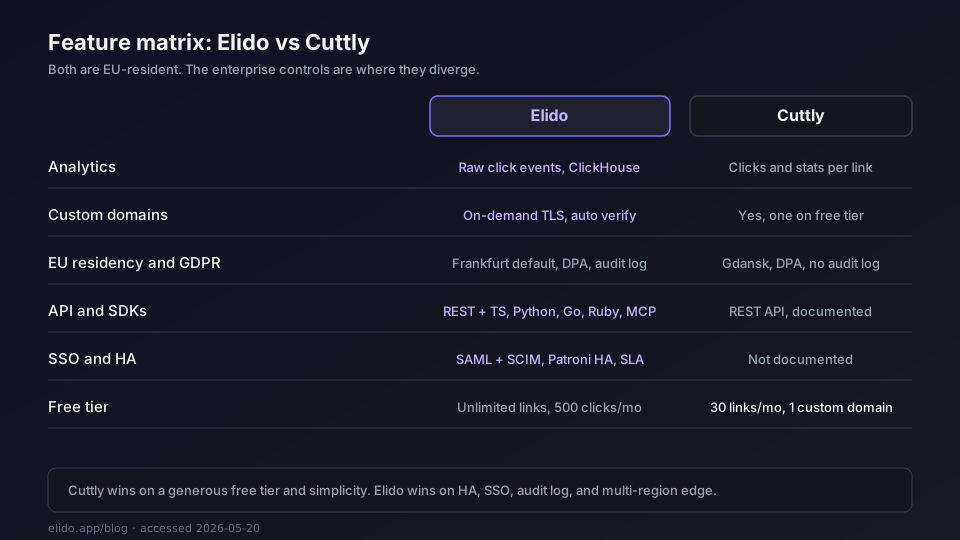
| Cuttly | Elido | |
|---|---|---|
| Free | 30 linków/mies., 1 własna domena | Nieograniczone aktywne linki, analityka 500 kliknięć/mies. |
| Wejściowy płatny | 12 USD/mies. (plan Team) | 9 USD/mies. (Pro) |
| Poziom średni | ok. 49 USD/mies. (Business) | 79 USD/mies. (Business, zawiera SSO + SCIM) |
| Enterprise | 149 USD/mies. | Niestandardowe (kontakt) |
| Rezydencja danych UE | Tak (Gdańsk) | Tak (domyślnie UE) |
| Wieloregionowy edge | Nie (jeden POP) | Tak (UE + USA Wschód + Azja-Pacyfik) |
| HA / SLA | Nieopublikowane | Repliki bazy danych HA; SLA w kontrakcie Business |
| SAML SSO | Nieudokumentowane | Tak, poziom Business |
| Dziennik audytu | Niedostępny | Tak, Pro+ |
| Self-host | Nie | Tak, Enterprise |
Kilka uwag do tabeli. Bezpłatny poziom Cuttly jest bardziej użyteczny do indywidualnego użytku - 30 linków/miesiąc to znaczący przydział. Bezpłatny poziom Elido jest bardziej użyteczny do oceny platformy analitycznej, ponieważ analityka liczby kliknięć działa w pełnej rozdzielczości, ale limit użytkowania dotyczy przetworzonych przekierowań, a nie tworzonych linków. Na pierwszym płatnym poziomie Elido jest tańsze (9 vs 12 USD). Na poziomie enterprise opublikowana stawka Cuttly 149 USD jest niższa niż dolna granica niestandardowych cen Elido za porównywalne funkcje, ale porównanie staje się nierówne, bo plan Business Elido za 79 USD już zawiera SSO i SCIM, których plan Cuttly za 149 USD nie dokumentuje.
Kto lepiej wychodzi na Cuttly
Indywidualni twórcy i freelancerzy chcący hostingu w UE bez złożoności. Jeśli potrzebujesz 30 lub mniej linków miesięcznie, chcesz własną domenę i produkt ma po prostu działać, bezpłatny poziom Cuttly jest trudny do pobicia w przestrzeni skracaczy UE. Nie ma przekonującego powodu, żeby płacić za inny produkt przy tym poziomie użytkowania.
Małe zespoły z UE, gdzie zgodność dotyczy jurysdykcji, a nie kontroli korporacyjnych. Czteroosobowy zespół marketingowy, który musi spełnić wymóg "przechowuj dane w UE", jest dobrze obsłużony przez Cuttly. Brak obowiązku SSO, brak wymogu dziennika audytu - plan Team za 12 USD/miesiąc obsługuje ten przypadek sprawnie.
Zespoły, których cała publiczność jest w UE. Jeśli Twoje linki są klikane głównie przez publiczność z Europy Środkowej lub Zachodniej, różnica opóźnień między Gdańskiem a regionem UE Elido nie jest operacyjnie istotna. Wieloregionowy edge to narzut, a nie korzyść.
Budżetowo ograniczone zespoły porównujące się z dostawcami z chmury USA. Jeśli wybór to "Cuttly vs skracacz hostowany w USA", Cuttly wygrywa samą rezydencją danych. Porównanie z Elido to kwestia drugorzędna.
Kto lepiej wychodzi na Elido
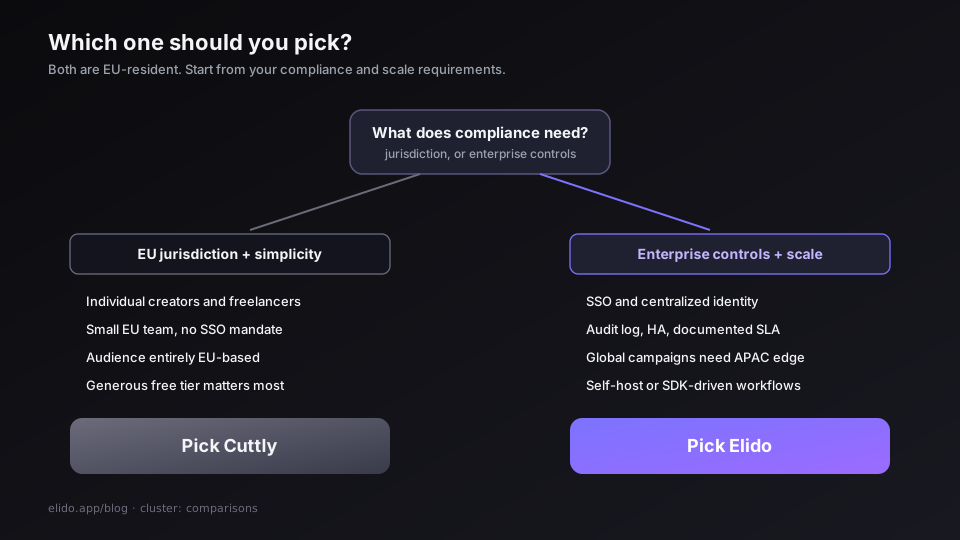
Zespoły potrzebujące SSO i scentralizowanego zarządzania tożsamością. Najwyraźniejszy sygnał decyzji: jeśli Twoja polityka IT nakazuje SAML SSO dla narzędzi SaaS, Cuttly nie ma udokumentowanej ścieżki. Plan Business Elido zawiera SAML 2.0 i obsługę SCIM. To nie jest funkcja do ewaluacji; to wymaganie binarne.
Zespoły prowadzące globalne kampanie płatnego pozyskiwania. Zespół performance marketingu targetujący odbiorców z APAC potrzebuje p95 przekierowań poniżej 20ms z POP-u w APAC. POP Azja-Pacyfik Elido to obsługuje; Cuttly nie ma ścieżki do tego. Opóźnienie przekierowania w płatnych kampaniach wpływa na Quality Score i doświadczenie użytkownika - 200ms przekierowanie ze zdalnego POP-u to nie drobna niedogodność.
Kupujący z regulowanych branż potrzebujący śladów audytu. Zespoły zakupowe z fintechs, ochrony zdrowia i sektora publicznego zapytają o dziennik audytu, udokumentowaną architekturę HA i SLA dostępności. Elido może odpowiedzieć na wszystkie trzy. Cuttly nie może, w chwili pisania.
Zespoły z zarządzaniem linkami przez deweloperów. Jeśli tworzenie linków jest w Twoim pipeline CI, łańcuchu narzędzi automatyzacji lub przepływie wspomaganym przez LLM - a ludzie budujący te integracje to inżynierowie preferujący SDK i typowanego klienta zamiast surowych wywołań REST - historia SDK i MCP Elido znacznie skraca integrację.
Wymagania self-host. Jeśli Twoje środowisko regulacyjne wymaga, aby platforma krótkich linków działała na Twojej własnej infrastrukturze, Cuttly nie jest opcją. Opcja self-host Enterprise Elido to obejmuje. Przewodnik wdrożenia self-host dokumentuje, co zawiera stack self-hosted.
Migracja: przejście z Cuttly do Elido
Migracja z Cuttly obejmuje trzy kwestie: dane linków, DNS własnej domeny i przekazanie zespołu.
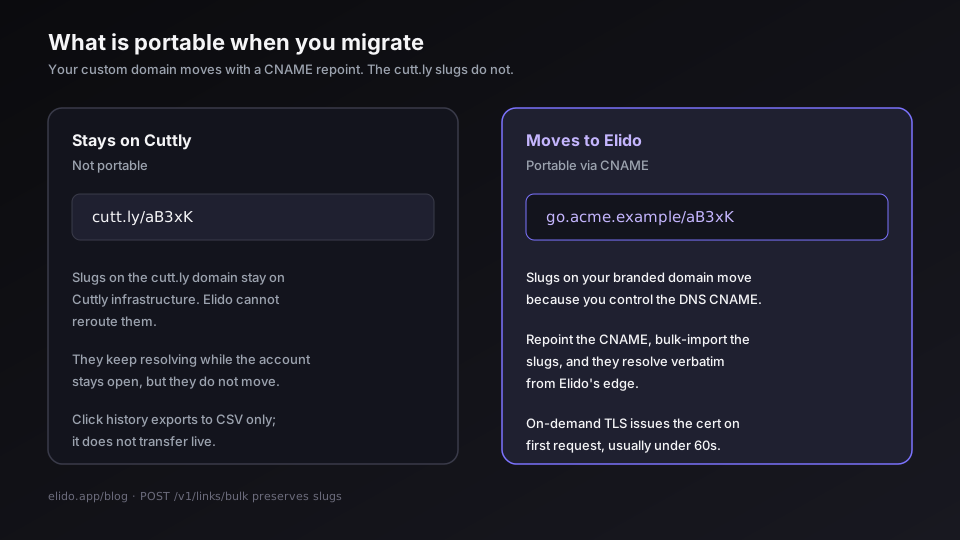
Eksport linków. Cuttly umożliwia eksport biblioteki linków jako CSV z ustawień konta. Eksport zawiera krótki slug, docelowy URL, tagi i datę utworzenia. Endpoint masowego importu Elido pod /v1/links/bulk przyjmuje slug i cel z tego CSV i zachowuje slugi dosłownie, więc istniejące krótkie linki nadal rozwiązują się na Twojej domenie bez łańcucha przekierowań w okresie przejściowym.
Przekazanie DNS własnej domeny. Jeśli masz domenę markową wskazującą na infrastrukturę Cuttly, sekwencja przekazania to: obniż TTL CNAME do 60 sekund dzień przed przełączeniem, zarejestruj domenę w workspace'ie Elido i zmień CNAME gdy Elido wyda dla niej certyfikat. Elido używa automatycznego TLS na żądanie: certyfikat wydaje się przy pierwszym żądaniu po propagacji DNS, co zazwyczaj trwa poniżej 60 sekund. Stary endpoint Cuttly nadal rozwiązuje dla istniejących linków, aż DNS w pełni się propaguje - nie ma okna, gdy obie strony zawodzą.
Historyczne dane kliknięć. Historia kliknięć z Cuttly nie przenosi się do Elido. Analityka od dnia migracji napływa do magazynu analitycznego Elido. Wyeksportuj raporty analityczne Cuttly przed zamknięciem konta, jeśli historyczne dane kliknięć mają znaczenie dla raportowania lub porównań atrybucji.
Przekazanie zespołu. Zaplanuj tygodniowe nakładanie się, gdy oba konta pozostają aktywne. Nowe linki trafiają do Elido od pierwszego dnia; istniejące linki Cuttly nadal rozwiązują się, aż DNS w pełni się propaguje. 30-minutowe omówienie workspace'u Elido przed przełączeniem wystarczy do orientacji typowego zespołu marketingowego. Dla mniej niż tysiąca linków cała migracja to praca na pół dnia; dla wielu własnych domen zabudżetuj jeden dzień.
FAQ
Czy Cuttly jest naprawdę zgodne z RODO?
Infrastruktura Cuttly znajduje się w Gdańsku, Polska - jurysdykcja UE, podlegająca nadzorowi polskiego UODO. Oznacza to, że dane osobowe przetwarzane przez Cuttly (adresy IP, metadane kliknięć) pozostają domyślnie w EOG. Zarówno Cuttly, jak i Elido oferują Umowy o Przetwarzaniu Danych obejmujące obowiązki z art. 28. Dla zespołów podlegających Ocenie Skutków Transferu dla każdego dostawcy z chmury USA, oba produkty spełniają ten wymóg. Różnica w zakresie zgodności między tymi dwoma produktami nie dotyczy jurysdykcji - oba są w UE - lecz kontroli korporacyjnych: dziennika audytu, architektury HA, SSO i udokumentowanego SLA.
Czy Cuttly ma API?
Tak. Cuttly dostarcza REST API obejmujące tworzenie linków, pobieranie statystyk i zarządzanie kontem. Jest udokumentowane i funkcjonalne. API Elido jest również REST i dodatkowo dostarcza typowane SDK (TypeScript, Python, Go, Ruby), serwer MCP i wsparcie dla dostawcy Terraform. Jeśli ewaluujesz pod kątem surowych możliwości API, oba działają. Warstwa SDK jest miejscem, gdzie się rozchodzą dla zespołów inżynierskich preferujących typowane klienty i wersjonowanie zarządzane przez SDK zamiast surowych wywołań HTTP.
Co dzieje się ze starymi linkami Cuttly po migracji do Elido?
Linki wybite na domenie cutt.ly Cuttly pozostają na infrastrukturze Cuttly - Elido nie ma możliwości przekierowania slugów cutt.ly. Linki wybite na Twojej własnej domenie markowej (np. go.acme.example) można migrować, ponieważ kontrolujesz CNAME DNS. Po zmianie CNAME te slugi rozwiązują się z edge Elido. Krótkie linki cutt.ly, które nie używają Twojej własnej domeny, będą nadal rozwiązywać się z Cuttly tak długo, jak utrzymujesz to konto, ale nie są przenośne.
Czy wieloregionowy edge Elido komplikuje rezydencję danych UE?
Tylko jeśli wybierzesz regiony spoza UE. Domyślny region Elido to UE. Metadane kliknięć - adresy IP, agenty użytkownika, znaczniki czasu - są domyślnie zapisywane do płaszczyzny danych w UE. Przypięcie do USA Wschód lub Azji-Pacyfiku to opcja na poziomie Business, która przenosi przetwarzanie kliknięć do tego regionu; jest dostarczana z zaktualizowanym ujawnieniem podprocesora. Dla zespołów, gdzie twardym wymogiem jest rezydencja wyłącznie w UE, domyślny region UE spełnia ten wymóg bez żadnej dodatkowej konfiguracji. Zobacz stronę trust dla aktualnej listy podprocesorów.
Czy mogę używać jednocześnie Elido i Cuttly podczas migracji?
Tak, i jest to zalecana ścieżka. Utrzymuj aktywne istniejące konto Cuttly, zarejestruj tę samą domenę markową w Elido i zmień CNAME po wydaniu certyfikatu przez Elido. Obie platformy obsługują poprawny cel dla każdego slugu istniejącego w obu systemach podczas okna propagacji. Od pierwszego dnia okresu nakładania się twórz nowe linki w Elido, aby zespół budował nawyki na nowej platformie, gdy stare linki się ustabilizują.
Powiązane na blogu
- Najlepsze skracacze URL w UE: porównanie 2026
- Rezydencja danych UE dla narzędzi marketingowych: o co naprawdę pyta Twój DPO
- RODO dla skracaczy URL: co naprawdę oznacza "zgodność"
- SCIM i SSO dla narzędzi marketingowych: o co naprawdę pyta enterprise IT
- Architektura edge redirect: jak Elido osiąga p95 poniżej 15ms
- Alternatywy dla Cutt.ly: 6 lepszych skracaczy URL do wypróbowania
Najczęściej zadawane pytania
Czy Cuttly jest naprawdę zgodne z RODO?
Infrastruktura Cuttly znajduje się w Gdańsku, Polska - jurysdykcja UE, podlegająca nadzorowi polskiego UODO. Oznacza to, że dane osobowe przetwarzane przez Cuttly, takie jak adresy IP i metadane kliknięć, pozostają domyślnie w EOG. Zarówno Cuttly, jak i Elido oferują Umowy o Przetwarzaniu Danych obejmujące obowiązki z art. 28. Różnica w zakresie zgodności między tymi dwoma produktami nie dotyczy jurysdykcji - oba są w UE - lecz kontroli korporacyjnych: dziennika audytu, architektury HA, SSO i udokumentowanego SLA.
Czy Cuttly ma API?
Tak. Cuttly dostarcza REST API obejmujące tworzenie linków, pobieranie statystyk i zarządzanie kontem. Jest udokumentowane i funkcjonalne. API Elido jest również REST i dodatkowo dostarcza typowane SDK w TypeScript, Python, Go i Ruby, serwer MCP i wsparcie dla dostawcy Terraform. Jeśli ewaluujesz pod kątem surowych możliwości API, oba działają. Warstwa SDK jest miejscem, gdzie się rozchodzą dla zespołów inżynierskich preferujących typowane klienty i wersjonowanie zarządzane przez SDK zamiast surowych wywołań HTTP.
Co dzieje się ze starymi linkami Cuttly po migracji do Elido?
Linki wybite na domenie cutt.ly Cuttly pozostają na infrastrukturze Cuttly - Elido nie ma możliwości przekierowania slugów cutt.ly. Linki wybite na Twojej własnej domenie markowej można migrować, ponieważ kontrolujesz CNAME DNS. Po zmianie CNAME te slugi rozwiązują się z edge Elido. Krótkie linki cutt.ly, które nie używają Twojej własnej domeny, będą nadal rozwiązywać się z Cuttly tak długo, jak utrzymujesz to konto, ale nie są przenośne.
Czy wieloregionowy edge Elido komplikuje rezydencję danych UE?
Tylko jeśli wybierzesz regiony spoza UE. Domyślny region Elido to UE. Metadane kliknięć - adresy IP, agenty użytkownika, znaczniki czasu - są domyślnie zapisywane do płaszczyzny danych w UE. Przypięcie do USA Wschód lub Azji-Pacyfiku to opcja na poziomie Business, która przenosi przetwarzanie kliknięć do tego regionu i jest dostarczana z zaktualizowanym ujawnieniem podprocesora. Dla zespołów, gdzie twardym wymogiem jest rezydencja wyłącznie w UE, domyślny region UE spełnia ten wymóg bez żadnej dodatkowej konfiguracji.
Czy mogę używać jednocześnie Elido i Cuttly podczas migracji?
Tak, i jest to zalecana ścieżka. Utrzymuj aktywne istniejące konto Cuttly, zarejestruj tę samą domenę markową w Elido i zmień CNAME po wydaniu certyfikatu przez Elido. Obie platformy obsługują poprawny cel dla każdego slugu istniejącego w obu systemach podczas okna propagacji. Od pierwszego dnia okresu nakładania się twórz nowe linki w Elido, aby zespół budował nawyki na nowej platformie, gdy stare linki się ustabilizują.
Wypróbuj Elido
Wklej URL, otrzymaj krótki link
Bez rejestracji. Link działa 30 dni. Zarejestruj się, aby zachować go na zawsze.
Za darmo, bez rejestracji · 2 dziennie